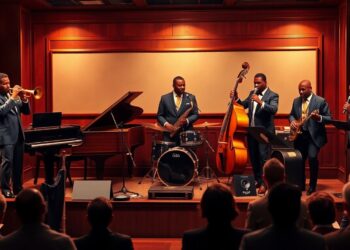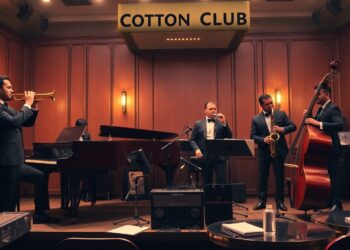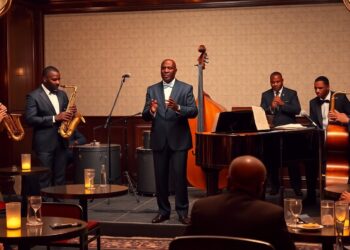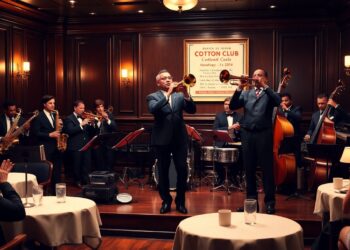
The national jazz museum in harlem sits in a brownstone near historic 125th Street. It preserves jazz history with recordings, photos, and oral histories. Visitors find clear exhibits, live performances, and education programs. The museum serves fans, students, and scholars. This guide gives focused details on what to see, upcoming programs, and practical visitor information.
Key Takeaways
- The National Jazz Museum in Harlem preserves and celebrates jazz through interactive exhibits featuring rare recordings, artifacts, and clear educational displays.
- Visitors can experience live jazz concerts, workshops, and lectures that highlight the genre’s cultural impact and history in Harlem.
- The museum offers accessible programs for all ages, including family-friendly activities and school outreach initiatives.
- Located near historic 125th Street, the museum is conveniently close to landmarks like the Apollo Theater, allowing visitors to combine a musical and cultural tour of Harlem.
- Advance ticket booking is recommended for performances, and visitors should take advantage of the listening stations and guided tours to enrich their experience.
- The museum ensures accessibility with features like ramp access, assistive listening devices, and offers reduced or free admission on select days for students and seniors.
Why Visit The National Jazz Museum In Harlem
The national jazz museum in harlem celebrates jazz as an American art form. It connects music, history, and community in Harlem. Visitors learn how artists shaped culture and civil rights through sound. The museum offers rare recordings and first-person stories that bring history alive. It hosts concerts that let visitors hear the same styles that defined jazz. Scholars use the museum’s archives for research. Families find kid-friendly activities that introduce rhythm and improvisation. The site sits close to other Harlem landmarks, which makes a visit fit into a full neighborhood day.
What To See: Exhibits, Collections, And Landmarks
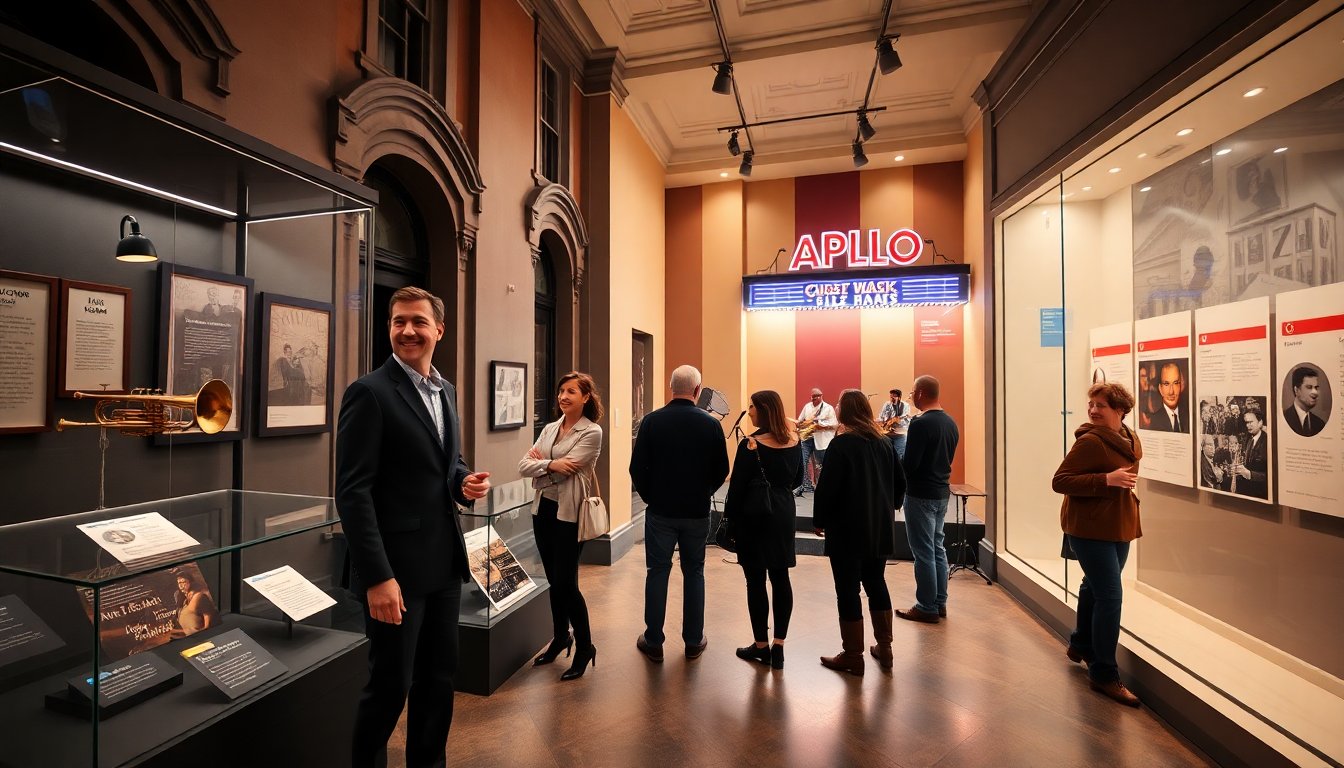
The national jazz museum in harlem displays artifacts that span early blues to modern jazz. The exhibit layouts highlight timelines, key musicians, and technical recordings. Visitors can view instruments, original sheet music, and concert posters. The museum keeps listening stations for archival audio. Staff label pieces with clear dates and short notes for quick understanding. Nearby landmarks, like historic clubs and the Apollo Theater, appear on suggested walking routes. The museum maps let visitors plan a route through Harlem that ties exhibits to physical sites.
Permanent Exhibits And Iconic Artifacts
The permanent exhibits at the national jazz museum in harlem focus on major artists and movements. They show Miles Davis, Billie Holiday, Duke Ellington, and lesser-known local figures. The displays include a mix of photos, interviews, and performance recordings. Curators keep signature items such as original trumpets and handwritten charts. The listening stations let visitors hear key performances while reading related notes. Labels use plain language and clear dates. This setup helps visitors grasp influence and context in short visits or longer research sessions.
Programs, Concerts, And Educational Events
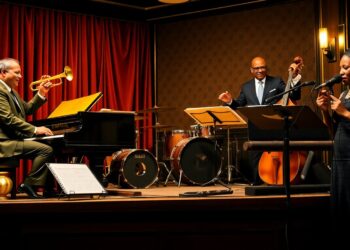
The national jazz museum in harlem runs regular concerts and talks. It schedules evening jazz sessions with local and national artists. The museum offers workshops for students on improvisation and jazz history. Lectures cover genre evolution and key recordings. Staff lead school visits and teacher training sessions. The museum records many events and adds them to its archive. Season calendars show family matinees and late-night concerts. Members get priority seating and early booking options. Community nights present free or low-cost programs to keep access wide.
Visitor Info: Hours, Tickets, Accessibility, And Directions
The national jazz museum in harlem posts current hours on its website. It sells tickets online and at the door when space allows. The museum offers reduced and free admission for students and seniors on selected days. Staff provide ramp access and seating accommodations. They supply large-print guides and assistive listening devices on request. The nearest subway stops sit on 125th Street with short walks to the museum. Paid parking appears nearby: public transit remains the easiest option. Visitors should check the calendar before arrival for concert schedules that may affect gallery access.
Tips For First-Time Visitors And Nearby Jazz Spots
First-time visitors should book tickets ahead for performances at the national jazz museum in harlem. They should arrive early to use listening stations and read labels. Visitors may join a guided tour for context and stories. The staff recommend combining a museum visit with a walk to the Apollo Theater and local clubs. Nearby venues often host late-night sets that feature the styles heard inside the museum. Visitors should carry a small umbrella and wear comfortable shoes for walking on 125th Street. They should also follow the museum’s social channels for last-minute event updates.