The article profiles jazz musicians of the Harlem Renaissance and explains their roles from the 1910s to the 1930s. It names key artists and states clear contributions. It sets up focused sections on sound, Duke Ellington, Louis Armstrong, Fletcher Henderson, and Bessie Smith.
Key Takeaways
- Jazz musicians of the Harlem Renaissance shaped a new sound that blended blues, ragtime, and brass traditions, becoming a central cultural voice between the 1910s and 1930s.
- Duke Ellington innovated jazz by blending melody and color in his orchestras, expanding jazz’s structure and pushing it towards concert audiences while maintaining popular dance roots.
- Louis Armstrong revolutionized jazz performance in Harlem with confident trumpet style and solo improvisation, influencing horn players and vocalists nationwide.
- Fletcher Henderson created arrangements that defined big-band swing, establishing templates that influenced dance orchestras across the country.
- Bessie Smith bridged blues and jazz through her powerful voice and phrasing, helping audiences embrace emotional depth in popular music.
The Soundscape Of Harlem: How Jazz Became The Era’s Voice (1910s–1930s)
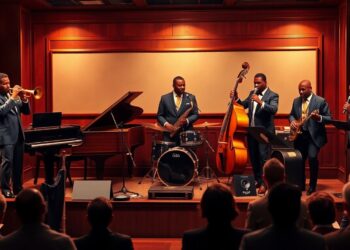
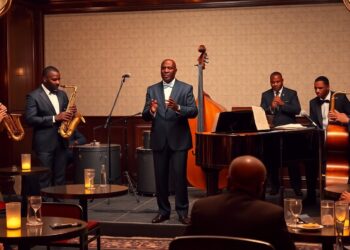
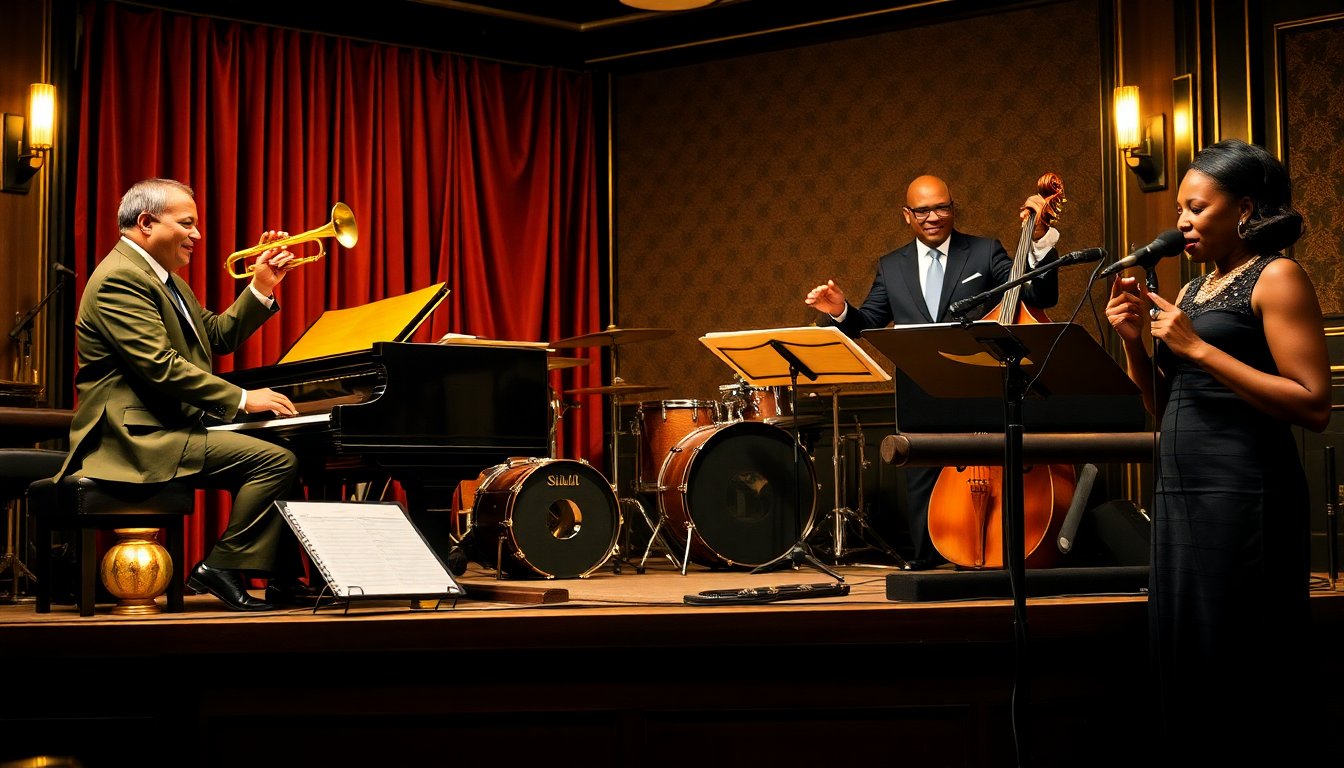
Harlem drew musicians, and the neighborhood shaped a new sound. Jazz musicians of the Harlem Renaissance played in clubs, theaters, and rent parties. They mixed blues, ragtime, and brass band traditions. Musicians wrote music that reflected city life and social change. Bands amplified rhythm and syncopation. Audiences responded with dance and shout. Recordings and radio spread the music beyond Harlem. Musicians formed networks that promoted touring and collaboration. Critics began to treat the music as art. The sound became central to cultural identity in the 1920s and early 1930s.
Duke Ellington — Architect Of Sophisticated Jazz
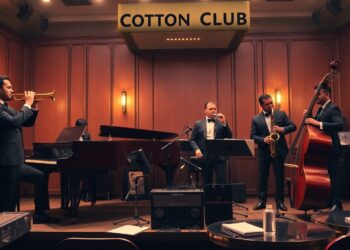
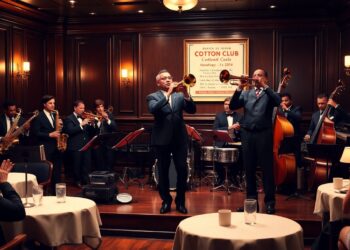
Duke Ellington led orchestras that blended melody and color. He arranged parts to highlight soloists and timbre. He wrote pieces that moved audiences and critics. Ellington led his band at the Cotton Club for years. He expanded jazz vocabulary and harmonies. He treated the orchestra like a chamber group and a dance band. Duke recorded suites that showed form and narrative. He supported musicians and allowed them space to improvise. His work shaped listeners’ expectations about length and structure in jazz. He pushed the music toward concert audiences while keeping it rooted in popular dance.
Key Bands, Compositions, And Lasting Legacy
Ellington’s orchestra included notable soloists who raised the band’s profile. He wrote “Mood Indigo,” “Sophisticated Lady,” and extended suites. These compositions balanced written sections and solos. The band played regular engagements that kept the music visible. Critics later named Ellington a major American composer. Schools began to study his arrangements. Young musicians copied his voicings and phrasing. His legacy appears in big bands and small groups that followed. His model showed how a leader could blend artistry and showmanship.
Louis Armstrong — From New Orleans To Harlem Stages
Louis Armstrong moved from New Orleans and reshaped jazz performance in Harlem. He brought a confident trumpet style and a new sense of swing. Armstrong’s phrasing changed how musicians approached melody and time. He made solo improvisation a central feature of jazz. He sang with a conversational tone and clear timing. Louis recorded with small groups that toured widely. Harlem audiences embraced his energy and charisma. He influenced horn players and vocalists across the country. Critics credited him with changing jazz from ensemble music to a solo-centered art.
Innovations In Improvisation And Vocal Style
Armstrong introduced new ways to shape a solo. He used melody as a guide and then took risks. His solos used space and rhythmic surprise. He also popularized a singing style that emphasized phrasing and personality. Armstrong’s recordings showed how voice and horn could share ideas. Young singers learned to phrase like a horn. Trumpet players copied his attack and embouchure. The innovations spread quickly through Harlem bands and beyond. They became core elements of jazz education and practice.
Fletcher Henderson — Bandleader Who Shaped Big-Band Swing
Fletcher Henderson organized bands that set the template for swing. He wrote arrangements that separated sections and created call-and-response patterns. Henderson hired top soloists and gave them room to stand out. He worked with arrangers who refined voicings and rhythm. Bands used his charts as models for dance orchestras nationwide. Henderson arranged pieces that combined written ensemble passages and featured improvisation. Later bandleaders adapted his methods for larger commercial orchestras. Henderson’s role bridged small-group jazz and the big bands that dominated the 1930s.
Bessie Smith And The Jazz‑Blues Connection
Bessie Smith recorded blues that influenced jazz phrasing and timbre. She used a strong voice and direct delivery. Musicians accompanied her with horns and piano that echoed jazz textures. Her records sold widely and brought blues into dance halls. Bessie worked with jazz players who adapted their soloing to her phrasing. The crossover helped audiences accept emotional depth in popular music. Her presence on records showed how blues and jazz could inform each other. Later singers referenced her approach to project power and nuance in performance.