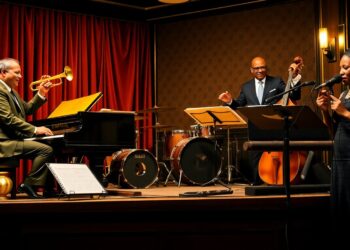
Famous jazz musicians during the Harlem Renaissance changed American music and culture. The article names key artists and explains their roles. It shows how sound, clubs, and recordings spread new styles. It links music to social change and offers clear examples. Readers will learn who led the shift and why their work mattered in the 1920s.
Key Takeaways
- Famous jazz musicians during the Harlem Renaissance transformed American music by blending styles like blues and ragtime, influencing culture and social change in the 1920s.
- Louis Armstrong emerged as a defining figure with his trumpet solos and vocal style, popularizing jazz nationally and inspiring generations of musicians.
- Duke Ellington and Fletcher Henderson redefined jazz arrangement and urban culture by leading sophisticated orchestras and developing the swing era’s musical structure.
- Harlem’s clubs, like the Cotton Club and Savoy Ballroom, were pivotal venues where jazz flourished, fostering integration and new dance styles.
- Recordings, radio broadcasts, and touring helped spread Harlem Renaissance jazz beyond New York, making these famous jazz musicians household names.
- The era’s jazz scene created economic opportunities and cultural hubs that connected music with broader artistic and social movements.
The Rise Of Jazz In Harlem: Sound, Scene, And Social Change
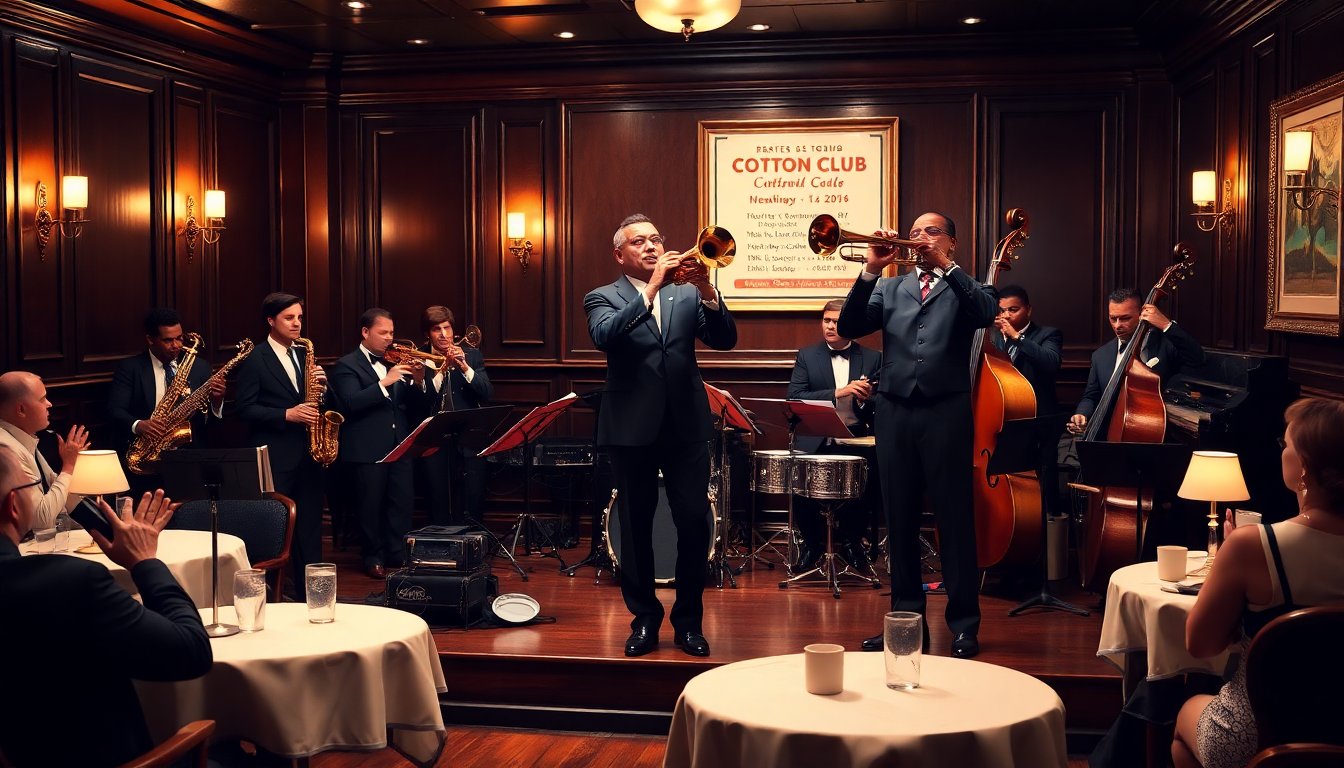
Harlem hosted many famous jazz musicians during the Harlem Renaissance. Musicians moved to the neighborhood and played in rent parties, bars, and theaters. Audiences gathered nightly and heard brass, piano, and drums. Promoters booked acts and newspapers reviewed shows. Recordings captured performances and spread the sound beyond New York. The music attracted white and Black listeners. Critics debated style and taste. Musicians mixed blues, ragtime, and syncopation. Bands developed new rhythms and call-and-response patterns. The music influenced dance, fashion, and slang. Bands gave work to singers, arrangers, and composers. Clubs like the Cotton Club and the Savoy Ballroom hosted headline acts. The Cotton Club featured segregated audiences but gave national exposure to performers. The Savoy kept integrated audiences and promoted new dances like the Lindy Hop. Record companies like Okeh and Victor recorded artists and sold records nationwide. Radio stations broadcast live performances and widened the audience. Musicians gained income from touring, records, and sheet music sales. The scene created steady jobs and social hubs for Black artists. Audiences used the music to celebrate and to protest. Critics later linked the Harlem scene to broader cultural shifts in literature and art. Writers attended shows and referenced musicians in essays and novels. Photographers captured bandleaders and dancers and spread their images. The moment combined artistic craft and commercial opportunity. The result shaped American popular music for decades. Famous jazz musicians during the Harlem Renaissance so changed both sound and society.
Louis Armstrong: From Hot Five Solos To National Stardom
Louis Armstrong ranked among the most famous jazz musicians during the Harlem Renaissance. He played trumpet and sang with a bright, direct tone. Armstrong recorded with the Hot Five and Hot Seven in Chicago, and those records reached Harlem audiences. Critics praised his solos for clear melody and rhythmic drive. He expanded improvisation and put the soloist at the center of jazz. Bandleaders copied his phrasing and timing. Armstrong toured widely and appeared on radio and in films. Audiences learned his name and his signature songs. He brought New Orleans style to urban orchestras and fused it with swing elements. Arrangers wrote charts that let him shine. He taught younger players how to shape a solo and how to connect with listeners. Armstrong also recorded vocal pieces that showed his personality and humor. He helped make jazz into a national language of entertainment. Managers booked him into major theaters and vaudeville circuits. Critics later called his recordings foundational for modern jazz. He crossed racial lines in popularity, though he still faced segregation on tour. His fame gave him leverage to demand better pay and billing. Musicians cited him as an influence for decades. Louis Armstrong’s work so made him a defining figure among famous jazz musicians during the Harlem Renaissance.
Duke Ellington And Fletcher Henderson: Bandleaders Who Redefined Jazz Arrangement And Urban Culture
Duke Ellington stood among the most famous jazz musicians during the Harlem Renaissance. He led a sophisticated orchestra at the Cotton Club. Ellington composed suites and short dances that used tone color and subtle dynamics. He wrote parts that highlighted soloists and small ensembles inside a big band. Critics praised his sense of orchestration and mood. He hired talented musicians and shaped their sounds. Ellington also collaborated with lyricists and arranged music for theater shows. His band played long sets and refined popular dance music into artful forms. Fletcher Henderson also ranked high among famous jazz musicians during the Harlem Renaissance. He led a New York-based orchestra that developed sectional writing and tight ensemble playing. Henderson worked as an arranger and helped standardize swing-era charts. He arranged early pieces for larger groups and emphasized call-and-response between sections. Young arrangers studied his scores and copied his ideas. Henderson later influenced Benny Goodman and other swing leaders. Both bandleaders professionalized jazz and helped it enter mainstream venues. They organized rehearsals, hired managers, and negotiated contracts. Their bands provided training grounds for soloists and arrangers. Ellington and Henderson expanded the role of composition in jazz. Their records and radio appearances shaped public taste. They linked urban culture to musical innovation and helped cities adopt jazz as a major entertainment form. As a result, Duke Ellington and Fletcher Henderson remain central names among famous jazz musicians during the Harlem Renaissance.