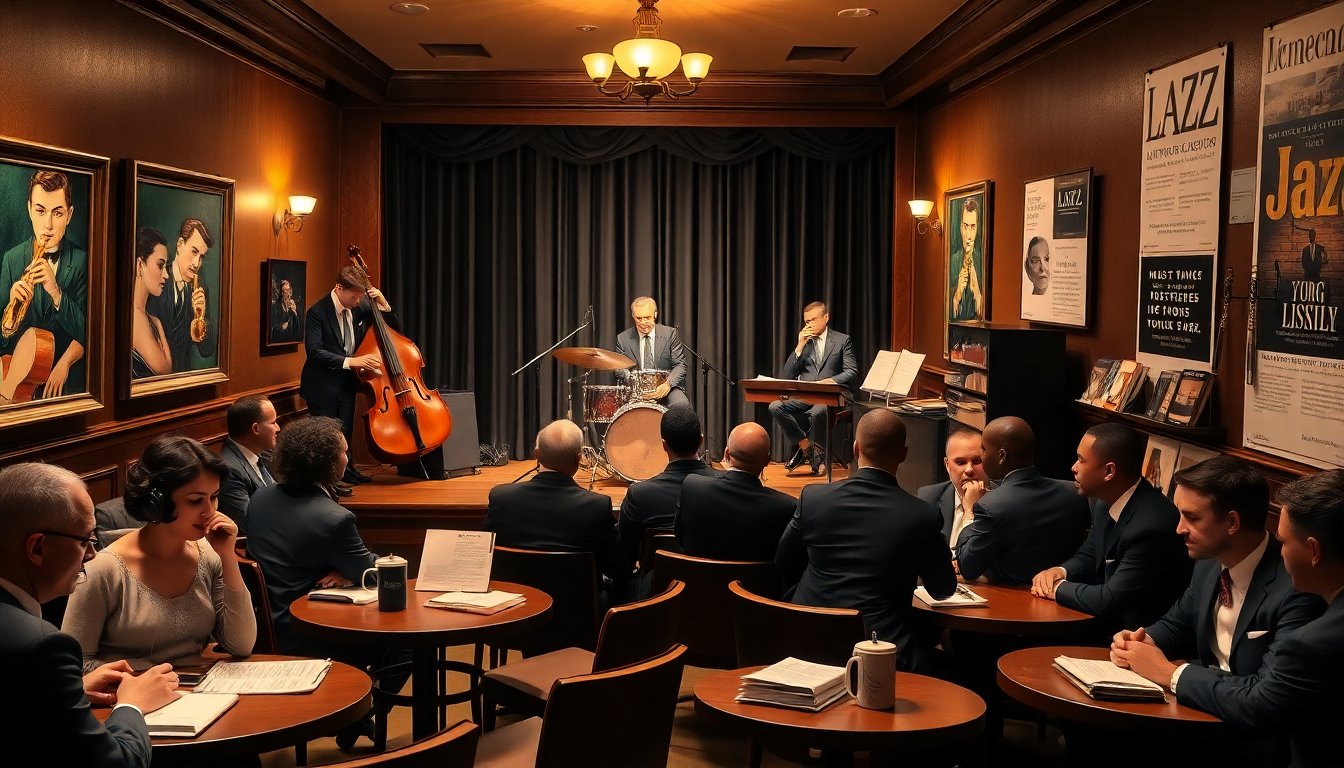
How did jazz music influence the Harlem Renaissance is the central question this article answers. Scholars trace jazz to African American neighborhoods. Musicians mixed African rhythms, blues, and European forms. Harlem offered venues, audiences, and patrons. The music linked daily life, art, and politics. The following sections show how jazz moved from clubs into literature, dance, and social action.
Key Takeaways
- Jazz music emerged as a central cultural force in Harlem, connecting daily life with art and politics during the Harlem Renaissance.
- Jazz fostered artistic collaboration, influencing literature, visual arts, and dance by introducing new rhythms, improvisation, and moods.
- Harlem’s jazz clubs not only provided entertainment but also became important venues for social activism and political expression against racial inequality.
- The popularity and visibility of jazz musicians helped challenge racial stereotypes and showcased Black cultural achievement.
- Jazz’s legacy continues to define the cultural identity of the Harlem Renaissance, inspiring future generations and global music culture.
The Rise Of Jazz In Harlem: From Clubs To Community
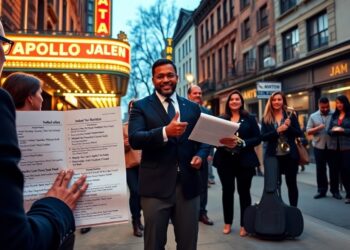
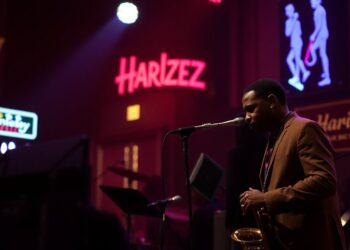
Harlem hosted many clubs in the 1910s and 1920s. Musicians migrated to the neighborhood. They played in rent parties, bars, and theaters. The music spread by word of mouth and by live shows. Residents attended performances and discussed the songs. Recordings and radio later widened the audience. Local musicians formed bands and ensembles. These groups trained young players and created jobs. Club owners and promoters invested in records and tours. The music became part of daily life. It shaped social gatherings and helped create a shared culture. Jazz also gave musicians public profiles. Prominent players became symbols of urban success. Harlem residents felt pride in those figures. The neighborhood then served as both a stage and a support system for jazz.
Jazz As A Catalyst For Artistic Cross-Pollination
Artists in Harlem heard jazz in clubs and on the street. They reacted to the music in poems, paintings, and plays. Jazz introduced new rhythms and moods to other arts. Writers borrowed the music’s pacing and improvisation. Painters used bold color and contrast after listening to brass and drums. Dancers adapted steps to syncopated beats. Critics and patrons then discussed the links between music and other forms. Museums and publishers took notice and supported works that reflected jazz aesthetics. This cultural exchange raised the profile of Black art. It also created new markets for creative work.
Influence On Literature, Visual Arts, And Dance
Writers imitated jazz structure in sentence length and rhythm. Poets used syncopation in line breaks. Novelists used fragmented scenes like musical solos. Visual artists adopted improvisation in composition and brushwork. They emphasized rhythm and contrast in their canvases. Dancers created steps that matched horn riffs and drum breaks. Choreographers staged scenes that mirrored musical call-and-response. Performance spaces blended text, image, and sound. Editors published prose that echoed musical phrasing. Galleries displayed works that referenced club life. Dance halls offered new roles for Black performers. These cross-genre moves helped each art form reach new audiences.
Social And Political Impact: Jazz, Race, And Resistance
Jazz gave Black people a public voice. Musicians expressed joy, sorrow, and defiance through sound. Audiences heard messages about dignity and freedom. Prominent artists used fame to speak on civil rights. Clubs became meeting places for activists and writers. Jazz also challenged racial stereotypes. It showed Black artists as skilled professionals. That image shifted some white perceptions. Yet segregation still limited opportunities. Musicians faced unequal pay and restricted venues. They responded by forming unions and booking circuits. The music so served both as protest and as proof of cultural value. Politicians and intellectuals then cited jazz as evidence of Black achievement.
Legacy: How Jazz Cemented The Cultural Identity Of The Harlem Renaissance
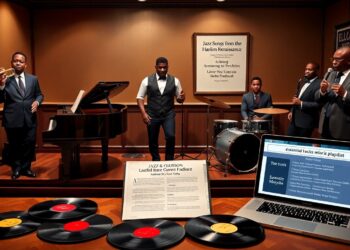
Jazz anchored the Harlem Renaissance in public memory. The music linked creative work to community identity. Teachers and historians documented performances and songs. They preserved records, scores, and oral histories. Later generations studied those materials in schools and archives. Jazz also influenced global music and culture. Touring bands brought Harlem ideas abroad. Foreign audiences adopted jazz styles and forms. Back home, jazz inspired future movements in music and art. Museums and festivals now honor the era. Cities stage retrospectives and concerts that celebrate those roots. The ongoing interest keeps the Harlem Renaissance visible. It also helps new artists connect to that past.