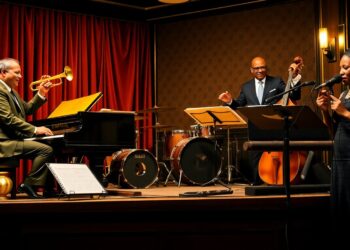
jazz musicians harlem renaissance shaped music and life in Harlem during 1920–1935. The movement mixed music, politics, and social change. Artists led public conversations through sound. They created new forms, new stages, and new audiences. This article maps who they were, where they played, and how their music changed culture.
Key Takeaways
- Jazz musicians of the Harlem Renaissance transformed music and culture between 1920 and 1935 by blending artistic innovation with social and political engagement.
- Harlem’s vibrant social scene and growing population provided a supportive environment where jazz musicians could perform, network, and gain exposure.
- Louis Armstrong revolutionized jazz through his trumpet solos and vocal style, influencing musicians across Harlem and the nation with his improvisation and timing.
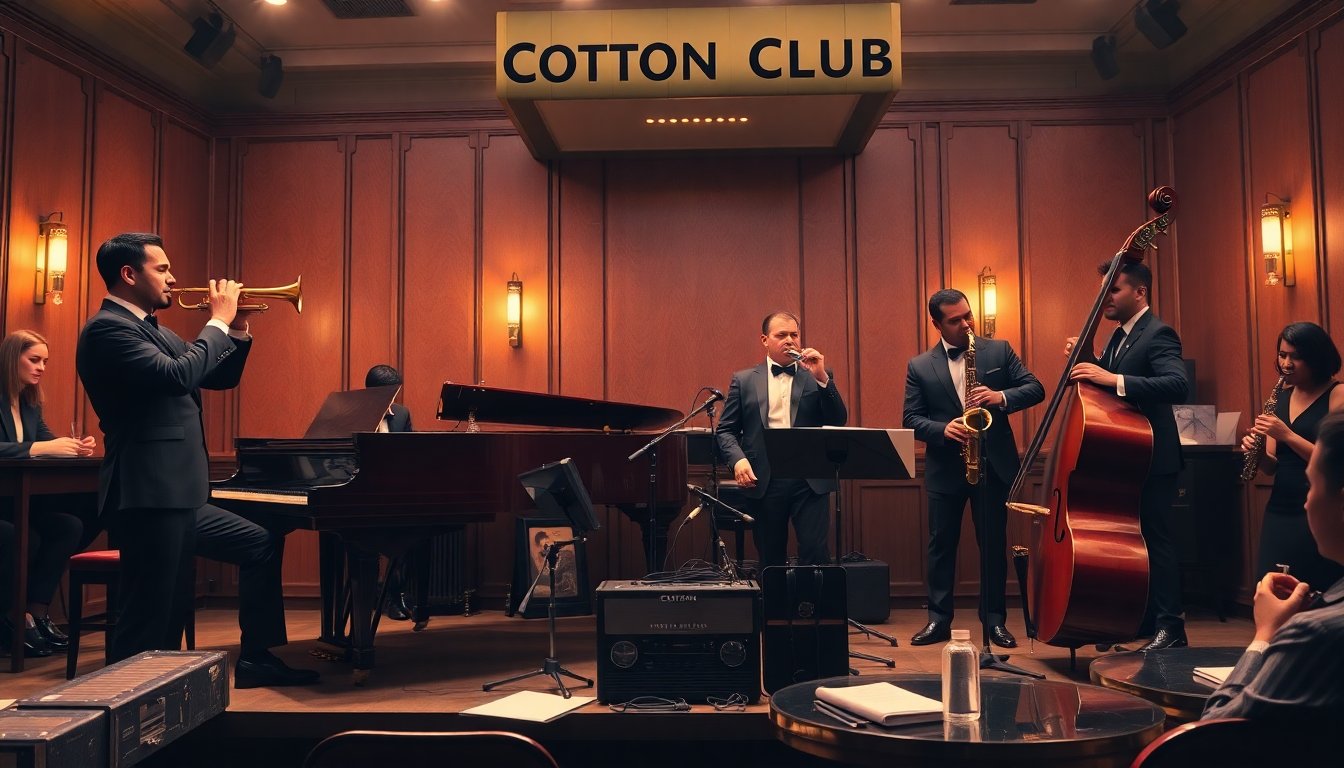
- Duke Ellington’s big band compositions at the Cotton Club showcased jazz as both serious composition and popular entertainment, expanding the genre’s reach and status.
- Iconic Harlem venues like the Cotton Club and Savoy Ballroom, along with recordings and radio broadcasts, helped jazz musicians reach wider audiences and establish jazz as a commercial art form.
- The Harlem Renaissance jazz movement left a lasting legacy, influencing future genres and providing rich cultural and musical resources preserved in archives and studied in music history.
Harlem’s Cultural And Social Landscape: Why Jazz Took Root
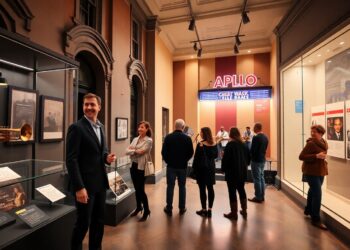
Harlem drew migrants from the South and immigrants from abroad. The population grew fast after World War I. This influx created dense neighborhoods and active social life. Jazz musicians harlem renaissance found a ready audience in this setting. Clubs and social clubs opened on short notice. Black newspapers and literary groups promoted local talent. The economy supported vaudeville, theater, and nightclubs. These venues offered work for singers, horn players, and pianists. Black artists formed networks that shared gigs and ideas. Political leaders and intellectuals hosted events that paired poetry with music. Jazz musicians harlem renaissance benefited when writers and painters praised their work. Patrons from other parts of New York and tourists visited these clubs. This attention amplified local artists and spread their influence nationally. Record companies and radio stations began to notice. They recorded some sessions and broadcast some shows. That exposure made jazz a business as well as an art.
Key Jazz Musicians Who Defined The Era
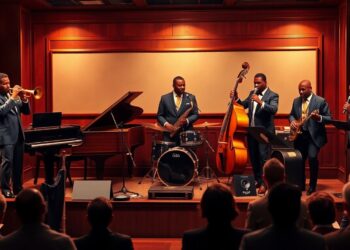
A small group of performers rose to symbolic status during the era. Each artist mixed technique with showmanship and public visibility. The city featured soloists, bandleaders, and composers. Jazz musicians harlem renaissance pushed musical boundaries and public perceptions. They performed in clubs, on radio, and in recordings. Scholars and critics later identified their styles as central to the movement.
Louis Armstrong: The Soloist Who Changed Jazz’s Language
Louis Armstrong moved north and then settled in New York for long seasons. He played trumpet and sang with a bright, direct voice. His solos emphasized rhythm and single-note melody. Audiences heard improvisation that focused on phrasing and swing. Louis changed how people thought about solo performance. Jazz musicians harlem renaissance adopted his sense of timing and tone. Other players copied his crescendos and clipped notes. He recorded widely and toured with bands and small groups. These recordings made his style familiar across the United States. Musicians in Harlem and elsewhere used his recordings as lesson material. Critics called him a key bridge between collective ensemble playing and individual solo work. His success proved that a single performer could carry a performance and sell records.
Duke Ellington: Composition, Residency, And The Big-Band Sound
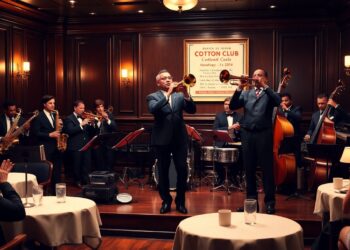
Duke Ellington led a stable orchestra at the Cotton Club for years. He wrote extended pieces that treated the band as an instrument. His arrangements balanced written lines and room for improvisation. Ellington emphasized color in instrumentation and mood in pacing. He composed suites and shorter numbers that referenced daily life and history. Jazz musicians harlem renaissance learned from his approach to structure. Band members gained solo space inside composed frameworks. Ellington promoted his sidemen and built reputations for them. Touring and radio broadcasts expanded his audience beyond Harlem. He maintained ties to local venues while he reached national listeners. His work showed that jazz could include serious composition and popular appeal. This stance changed how venues booked bands and how critics judged the music.
Venues, Recordings, And The Lasting Cultural Legacy Of Harlem Jazz
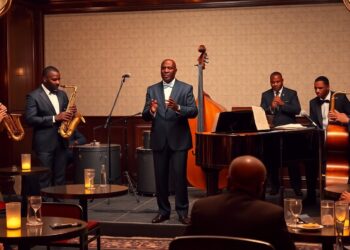
The Cotton Club, Savoy Ballroom, and small basement clubs served as testing grounds. These venues offered steady work and public exposure for players. Promoters booked jazz musicians harlem renaissance and established steady seasons. Recording companies captured performances and sold records to urban buyers. Radio broadcasts transmitted live sets into homes across the country. These media created new income streams for musicians. Clubs also created social rituals like dance contests and midnight shows. Dancers and bands pushed each other to invent new rhythms and steps. Visual artists and writers used jazz themes in paintings and stories. Museums and historians later cited recordings and reviews when they wrote about the period. Jazz musicians harlem renaissance influenced later genres such as swing and bebop. Young players studied older recordings and adapted the language. Schools and archives preserved sheet music, scores, and oral histories. These materials let scholars trace musical development and social impact. The movement left songs, recordings, and a model of how music and community can shape public life. Jazz musicians harlem renaissance remain a point of study in music courses and in cultural histories.