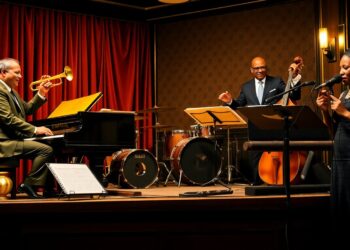
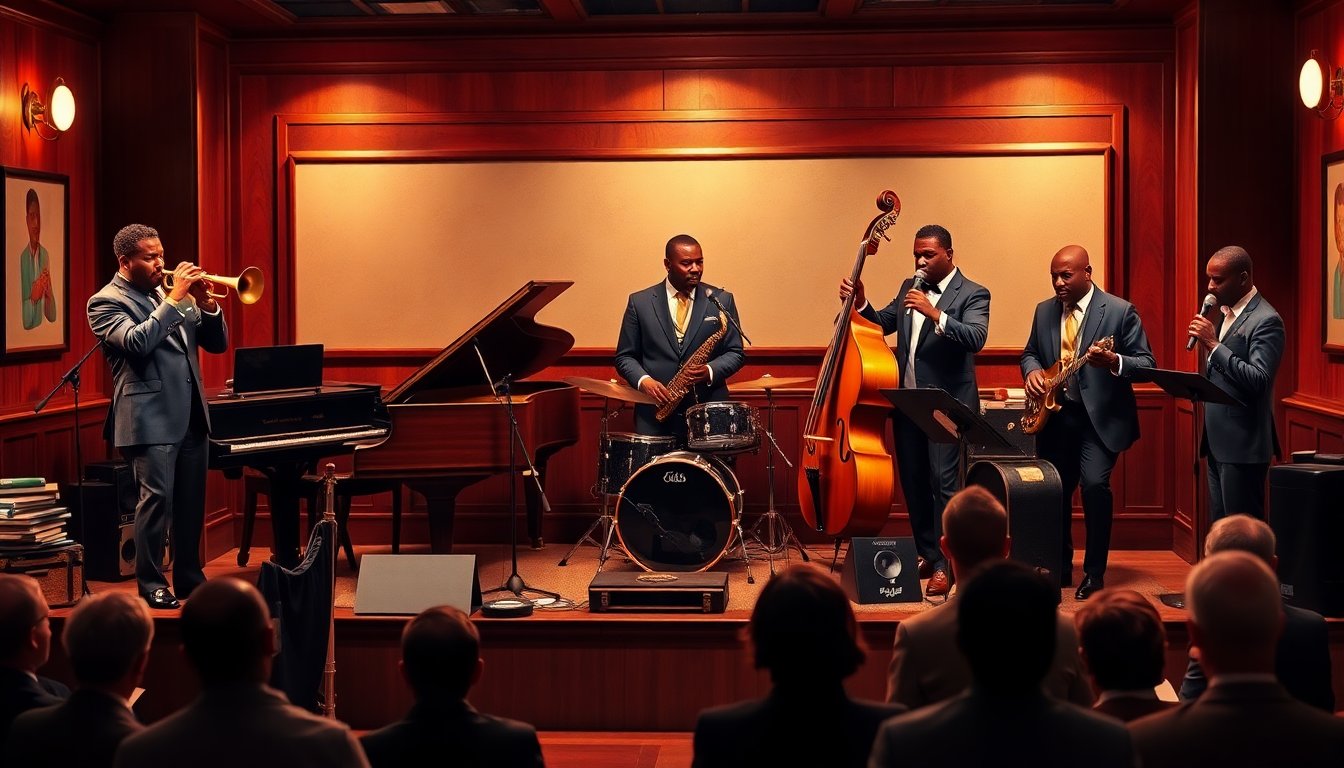
Jazz musicians during the Harlem Renaissance changed American music and culture. The artists mixed blues, ragtime, and syncopation to create new sounds. They played in clubs, theaters, and rent parties. They faced segregation and limited opportunities. They still influenced dance, fashion, and politics. This article explains how these musicians shaped the era and why their work matters today.
Key Takeaways
- Jazz musicians during the Harlem Renaissance innovatively blended blues, ragtime, and syncopation to redefine American music and culture.
- Performance venues like the Cotton Club and Savoy Ballroom provided crucial stages despite segregation, helping jazz musicians gain exposure and income.
- Iconic figures such as Duke Ellington and Louis Armstrong elevated jazz through orchestration and solo expression, setting standards still influential today.
- The Harlem Renaissance’s jazz scene shaped dance, fashion, film, and education, embedding the genre deeply into American cultural life.
- Jazz musicians used emerging media like radio and recordings to expand their audience and preserve their groundbreaking work.
- The legacy of jazz musicians during the Harlem Renaissance continues to inspire modern music, politics, and social movements by promoting creativity and challenging racial stereotypes.
The Soundscape Of Harlem: Styles, Venues, And Social Context
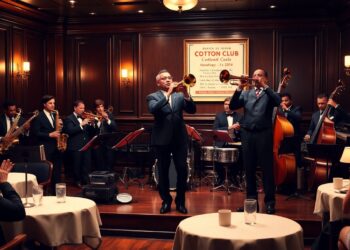
Harlem hosted many music styles between 1918 and 1935. Musicians during the Harlem Renaissance mixed blues, New Orleans jazz, and stride piano. Bands used brass, reeds, piano, bass, and drums to create a lively sound. Audiences danced to syncopated rhythms and call-and-response phrases.
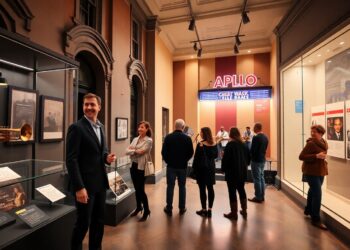
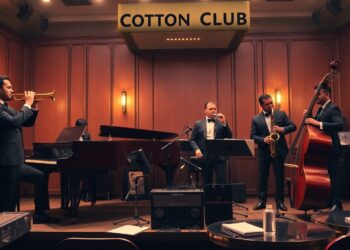
Clubs and venues offered steady work for these musicians. The Cotton Club served high-profile tourists while the Savoy Ballroom welcomed mixed crowds. Rent parties gave local players cash and practice. Churches and theaters provided formal stages for concerts and contests.
Segregation shaped the music scene. Promoters booked Black musicians but often restricted their audiences. Record companies recorded some acts but paid little. Musicians used performance and touring to gain income and reputation.
Jazz musicians during the Harlem Renaissance also responded to social change. The Great Migration brought many Black families to New York. Musicians reflected urban life, hope, and resistance in their songs. Critics and writers in Harlem promoted these artists and linked music to racial pride and cultural achievement.
Musicians adapted to new technologies. Radio spread live performances beyond Harlem. Records preserved solos and arrangements. These media widened the audience for jazz musicians during the Harlem Renaissance and helped standardize popular songs.
Key Musicians And Bands Who Defined The Era
Duke Ellington led one of the most influential bands in Harlem. He composed for the Cotton Club and blended orchestration with swing. His band showed how a composer-leader could elevate dance music to concert art. Duke used horn voicings and tonal color to craft signature pieces.
Louis Armstrong changed solo performance and phrasing. Armstrong moved from New Orleans to New York and recorded with leading bands. His trumpet solos set a new standard. Critics and fans praised his tone and rhythmic freedom. Louis helped shift jazz toward individual expression.
Bessie Smith brought blues power to urban stages. She recorded songs that sold widely and influenced singers across races. Her voice expressed resilience and emotion. Bessie taught other performers how to use studio technology for mass reach.
Fletcher Henderson organized big bands and arrangements that inspired others. He arranged pieces for dance halls and early recordings. His charts helped shape swing phrasing. Henderson worked with younger players and arranged hits that later bands adapted.
Other important figures included James P. Johnson, who advanced stride piano, and Billie Holiday, who later grew from Harlem scenes to national fame. Smaller ensembles and house bands also mattered. They trained players and tested new ideas. Many sidemen in Harlem groups later led their own bands.
Managers, arrangers, and club owners also influenced careers. They chose songs, booked gigs, and connected artists to record labels. Their choices affected which musicians reached wider audiences. Music writers and Black newspapers promoted acts and shaped public taste.
The network of bands, singers, and producers created a creative ecosystem. That network helped jazz musicians during the Harlem Renaissance refine technique, share repertoire, and reach new listeners.
Legacy And Influence: How Harlem Jazz Transformed American Culture
Harlem jazz left clear marks on American culture. Jazz musicians during the Harlem Renaissance pushed musical forms and performance styles into the mainstream. Radio programs, records, and touring carried those sounds to other cities.
Dance and fashion changed alongside the music. Dancers invented steps that fit jazz rhythms. Tailors and designers adapted clothing for movement and style. Broadway shows borrowed jazz rhythms and hired Black musicians for pit orchestras.
Film and theater also adopted jazz influence. Silent films used live jazz scores. Sound films later included jazz numbers that featured Black performers. Musicians moved into film studios and recorded soundtracks. These roles widened the reach of jazz musicians during the Harlem Renaissance.
Educational institutions took notice. Conservatories and teachers began to study jazz forms and improvisation. Young musicians learned jazz in bands and schools. That shift helped make jazz a subject of academic interest and performance training.
Politics and social thought absorbed jazz energy. Black intellectuals cited music as proof of artistic achievement. Activists used cultural success to argue for civil rights and equal treatment. Jazz offered a public display of skill and creativity that challenged racist stereotypes.
The recording industry kept the music available. Early recordings of Harlem artists influenced later generations of players and composers. Musicians copied solos, adapted arrangements, and extended forms into new styles like bebop.
Modern musicians still draw on techniques from that era. Arrangements, swing feel, and solo language trace directly back to Harlem. Musicians during the Harlem Renaissance created patterns that others reused and altered. Their work shaped American music, and it still shapes it today.