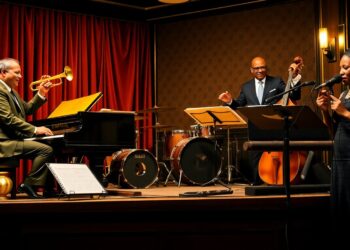
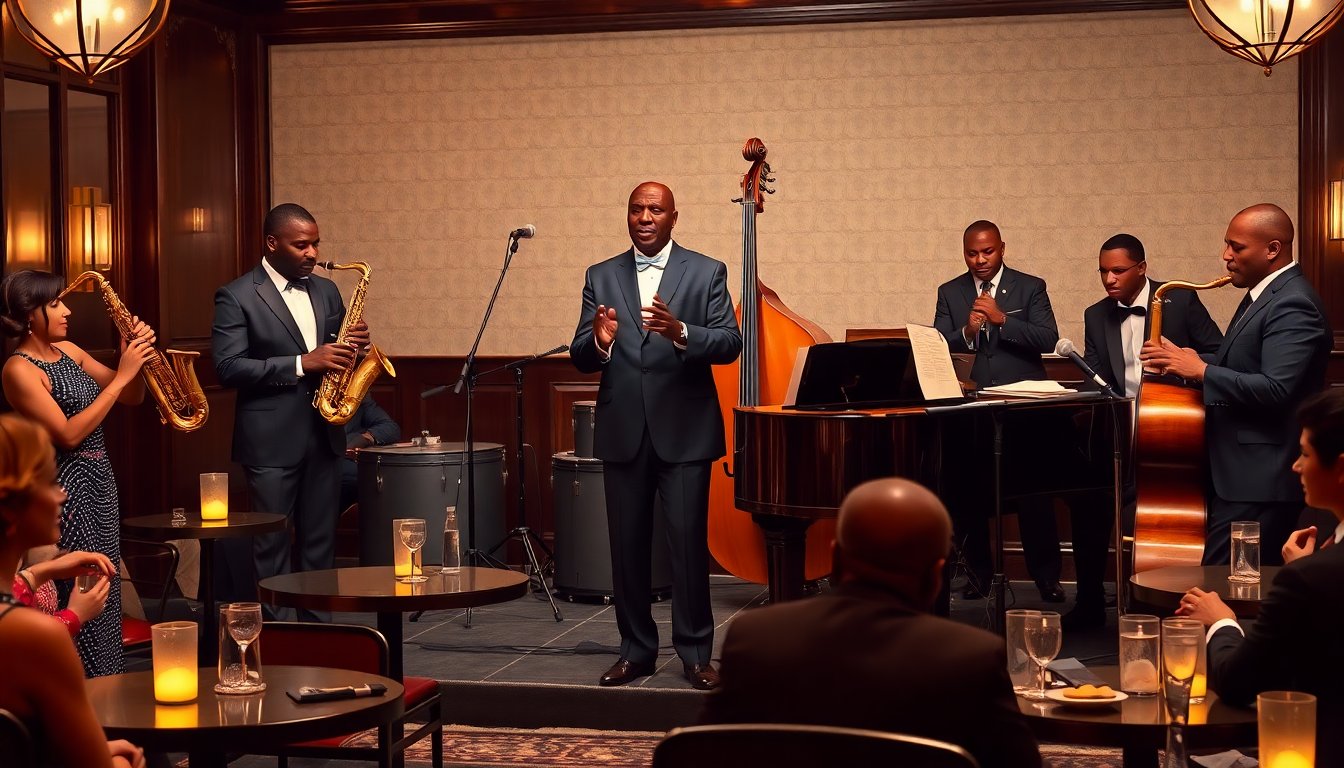
Jazz Harlem Renaissance musicians rose in Harlem after World War I. They blended blues, ragtime, and gospel. They created new sounds and new stars. They drew Black audiences and white patrons. They shaped American music and culture during the 1920s and 1930s.
Key Takeaways
- Jazz Harlem Renaissance musicians innovated by blending blues, ragtime, and gospel to create a new and influential sound in the 1920s and 1930s.
- Harlem venues like the Cotton Club and Savoy Ballroom were central in showcasing jazz talent and fostering a vibrant nightlife that attracted diverse audiences.
- These musicians advanced jazz by emphasizing rhythm, improvisation, and complex arrangements, which set new standards for performance and education.
- The Harlem Renaissance jazz scene linked music with broader cultural movements, inspiring Black pride and influencing American music, theater, and art.
- Recordings and radio broadcasts by jazz Harlem Renaissance musicians helped spread their impact nationwide, preserving their legacy for future generations.
How Jazz Became The Soundtrack Of The Harlem Renaissance
Harlem clubs hosted local bands and touring acts. Musicians played for dancers and listeners. Journalists and critics called the music modern and vital. Jazz Harlem Renaissance musicians recorded and broadcast songs. Recordings spread the sound beyond Harlem. Radio shows introduced Black artists to wider audiences. Patrons and promoters funded recordings and concerts. The music linked social life, politics, and art. Young Black writers and painters attended shows. They adopted jazz rhythms in their work. The sound then became a visible sign of Black creativity and city life.
Key Musicians Who Shaped The Era
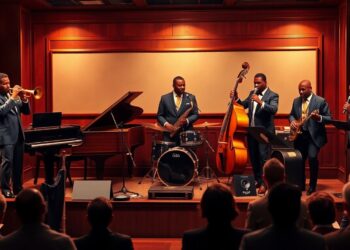
The era featured bandleaders, soloists, and vocalists. Jazz Harlem Renaissance musicians led ensembles and changed performance practice. They recorded hit tunes and toured nationally. They mentored younger players. They raised jazz from dance music to art form.
Harlem Venues, Nightlife, And Audience Culture
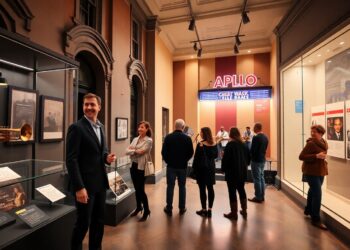
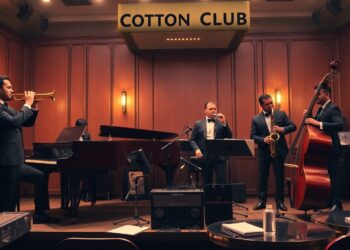
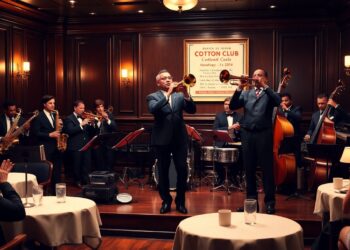
The Cotton Club, Savoy Ballroom, and smaller venues hosted nightly music. Audiences danced, listened, and socialized. Bands played long sets to keep dancers moving. Promoters sold tables and tickets to cover band payrolls. White and Black patrons attended different nights and shows. Musicians learned to play for mixed crowds. They adjusted tempos and arrangements to match audience taste. Critics and columnists then wrote about the scene. The nightlife created steady work for jazz Harlem Renaissance musicians and offered chances for collaboration.
Musical Innovations: Rhythm, Improvisation, And Arrangement
Musicians shifted rhythmic emphasis to create swing feel. They used syncopation and offbeat accents to energize songs. Soloists developed phrasing that balanced melody and improvisation. Bands crafted call-and-response sections and sectional contrasts. Arrangers experimented with voicings and counterpoint. They used rehearsal to shape ensemble sound. Recordings preserved solos and arrangements for study. Teachers and bandleaders then adopted these features in schools and clubs. These changes defined how later jazz players approached rhythm and group interplay.
The Cultural Impact And Lasting Legacy Of Harlem Jazz
Harlem jazz changed American popular music and performance practice. It influenced Broadway, film scores, and classical composers. Historians then traced modern jazz back to this era. Jazz Harlem Renaissance musicians inspired civil rights voices and Black pride. Colleges and museums now study their recordings and papers. Younger musicians continue to teach and record their repertoire. Festivals and halls honor the era and its artists. The legacy shows how music can shape identity and public culture.