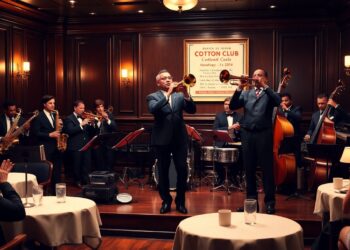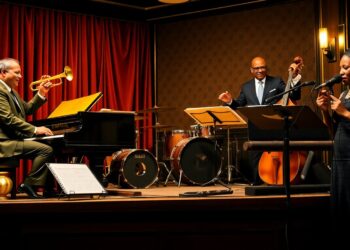
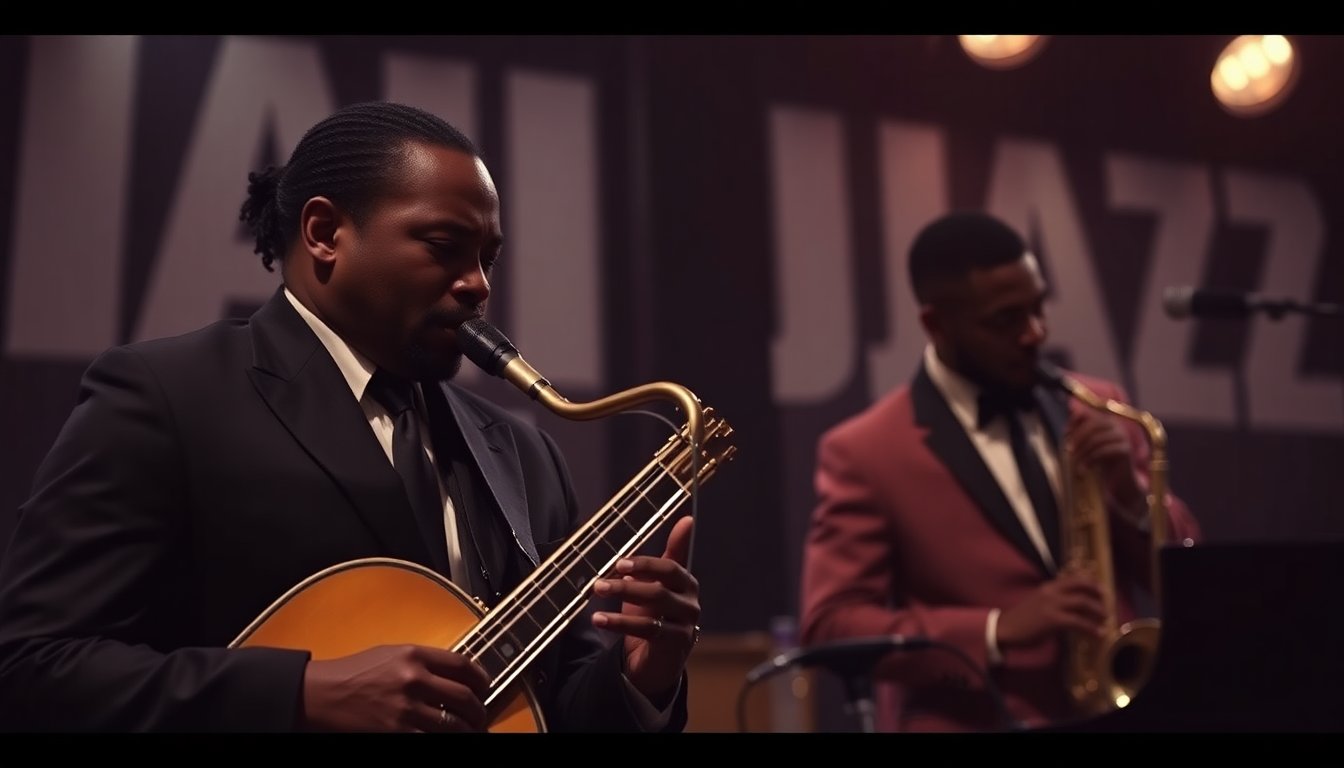
Harlem jazz artists shaped American music during the early 20th century. They brought new sounds, new rhythms, and new public stages to Black communities. The artists mixed blues, ragtime, and African rhythms into jazz. The scene grew around clubs, theaters, and block parties. This article explains how Harlem set the stage, profiles key players, and shows where listeners can hear the influence today.
Key Takeaways
- Harlem jazz artists pioneered a unique blend of blues, ragtime, and African rhythms, profoundly shaping American music.
- Historic Harlem venues like the Cotton Club and Savoy Ballroom were central in promoting Harlem jazz artists and fostering community.
- Iconic figures such as Duke Ellington, Louis Armstrong, and Billie Holiday introduced innovations in orchestration, improvisation, and vocal phrasing.
- The Harlem Renaissance connected jazz with broader cultural and political movements, encouraging artistic experimentation.
- Harlem jazz’s influence persists today through live performances, educational programs, and the integration of its styles in modern genres like hip hop and neo-soul.
- Museums and clubs in Harlem actively preserve and celebrate the legacy of Harlem jazz artists, providing ongoing opportunities to experience this rich heritage.
How Harlem Shaped Jazz: Cultural Context And Legendary Venues
Harlem fostered jazz through migration and community. Black families moved north and brought musical traditions. Musicians met in houses, churches, and streets. Promoters booked shows at clubs that paid performers and drew crowds. Venues like the Cotton Club and the Savoy Ballroom gave artists regular work and national exposure.
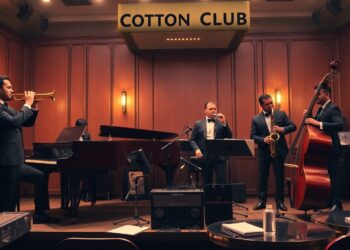
The Cotton Club hired many Harlem jazz artists and broadcast shows to radio. The club also enforced segregation in its audience and cast, which created mixed reputations. The Savoy Ballroom allowed mixed dancing and welcomed local artists. Rent parties and social clubs supported musicians between gigs. These local networks let artists refine their sound and try new ideas.
Record labels and radio stations recorded and played Harlem jazz artists. Firms like Okeh and Columbia captured early sessions and sold records nationwide. Radio programs brought the music to rural listeners and to new city audiences. Record sales and radio exposure helped artists tour outside New York and influence other regional scenes.
Writers, critics, and Black intellectuals also shaped the scene. They promoted artists through newspapers and magazines. The Harlem Renaissance connected music to poetry, visual art, and political ideas. Patrons and audiences rewarded innovation. That reward encouraged artists to experiment with form, rhythm, and arrangement.
Profiles Of Iconic Harlem Jazz Artists
Harlem produced artists who changed jazz style and practice. Musicians studied with each other and shared ideas in clubs. Bandleaders hired talent and built distinctive sounds. Pianists, horn players, vocalists, and arrangers all played central roles.
Duke Ellington led a band that blended complex orchestration with danceable rhythms. Ellington wrote pieces that showcased soloists and group textures. His extended works showed that jazz could carry serious composition and subtle color.
Louis Armstrong toured and recorded with Harlem players and influenced singers and instrumentalists. Armstrong changed solo improvisation and phrasing. He made the trumpet lead voice in many ensembles.
Billie Holiday sang with Harlem bands and brought emotional depth to songs. Holiday used timing and phrasing to make lyrics feel personal. Her style affected generations of vocalists.
Art Blakey and other drummers raised rhythm to a focus. Drummers drove bands and shaped dynamic contrast. Arrangers like Fletcher Henderson and pianists like Fats Waller supplied new harmonic ideas that other artists adopted.
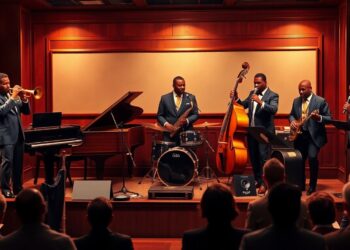
These and other Harlem jazz artists worked in club bands, studio sessions, and theater shows. They recorded both small-group and big-band music. They taught younger players and helped create a music job market in New York.
Standout Artists And What They Brought To Jazz
Duke Ellington expanded orchestral color and introduced suites that treated jazz as composition. He showed that a band could sound like an orchestra while keeping swing.
Louis Armstrong emphasized solo voice and improvisation. He made improvisation a primary creative act. Many later soloists copied his sense of swing and melody.
Billie Holiday showed how a singer could shape a song through timing and emotional detail. She taught artists to use space and silence as tools.
Charlie Parker and Dizzy Gillespie pushed jazz toward bebop. They increased harmonic complexity and sped the tempo. Their work led to new forms of improvisation and club music.
Thelonious Monk used dissonance and unexpected phrases. His playing and writing challenged ideas about harmony. Musicians learned to accept odd rhythms and spaced chords.
Earl Hines and Fats Waller influenced piano technique. They linked stride touch to modern jazz phrasing. Their playing appeared in dance halls and recordings, and taught many younger pianists.
Each of these Harlem jazz artists added a clear idea to the music. Bands adopted those ideas and made new styles grow. Students learned them in jam sessions and classrooms.
How Harlem Jazz Still Influences Music Today And Where To Experience It
Harlem jazz artists shaped rhythm, phrasing, and form that modern musicians still use. Hip hop producers sample old jazz records and reuse horn lines and drums. Neo-soul singers borrow phrasing from early vocalists. Jazz educators teach repertoire that began in Harlem. Musicians study recordings to learn swing feel and solo structure.
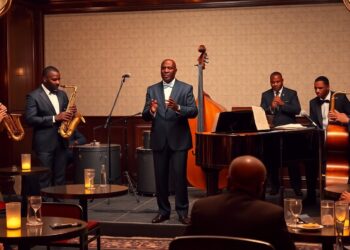
Live venues let listeners hear the lineage. Small clubs in Harlem and broader New York book jazz nights that honor older styles and host new work. Places like Minton’s Playhouse and smaller neighborhood clubs present artists who trace their sound to Harlem. Festival stages in New York and elsewhere also program shows that center Harlem-era music.
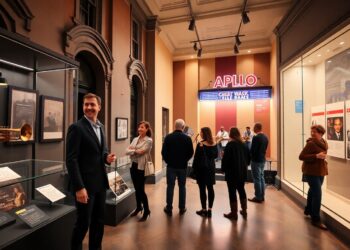
Museums and cultural centers display archives and hold concerts. The National Jazz Museum in Harlem runs exhibits, classes, and live shows. These programs let people hear recordings, see artifacts, and meet musicians who continue the tradition.
Record collections and streaming services keep recordings available. Curated playlists group performances by Harlem artists. Listeners can compare early recordings to modern interpretations and hear the influence clearly.
Community programs teach children and young adults to play jazz. Schools and nonprofits offer lessons that follow methods used by earlier Harlem musicians. These programs create a direct path from the original scene to new artists.
Visitors who want to hear live music should check museum schedules, club calendars, and festival lineups. They will hear how Harlem jazz artists still move musicians and audiences today.