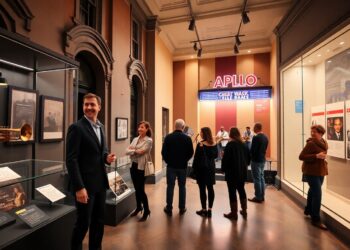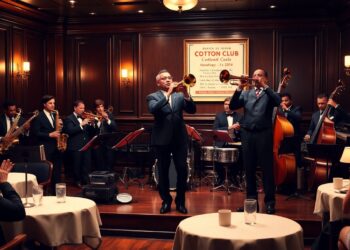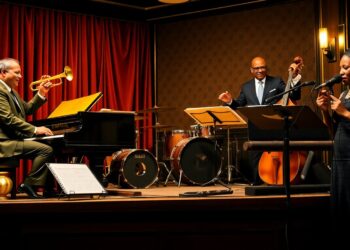
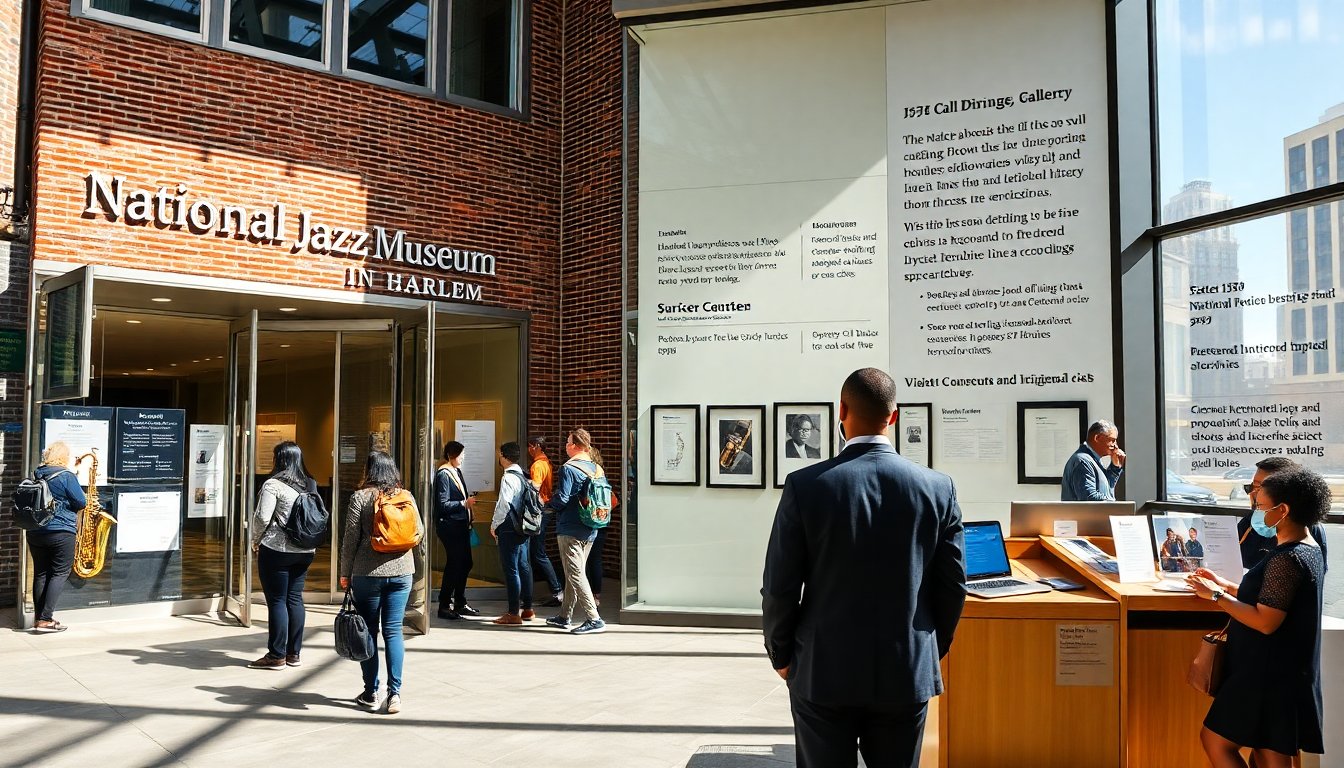
The national jazz museum in harlem sits on a busy Harlem street. The national jazz museum in harlem teaches jazz history. The museum shows music, instruments, and stories. The museum invites visitors to listen, learn, and join events. The museum serves students, scholars, and fans.
Key Takeaways
- The National Jazz Museum in Harlem preserves and showcases the rich heritage of jazz with a focus on Harlem’s pivotal role in the genre’s history.
- Visitors can explore extensive collections including rare recordings, instruments, and archival materials that highlight jazz as both an art form and social document.
- The museum offers dynamic programs such as concerts, talks, and artist residencies that engage students, scholars, and jazz fans alike.
- Timed tickets and free admission days are available, with recommended advance booking and check of accessibility options for a smooth visit.
- The museum actively collaborates with local and national partners to share jazz culture and foster community involvement through rotating exhibits and events.
History, Mission, And Cultural Significance
The national jazz museum in harlem opened to preserve jazz heritage. The museum records artists, concerts, and community memories. The museum focuses on Harlem as a central place for jazz growth. The museum tells how musicians shaped music and social change. The museum works with local groups and national partners to share material. The museum collects oral histories, photographs, and ephemera. The museum frames jazz as both art and social document. The museum honors figures who worked and lived in Harlem.
Collections & Exhibitions: What You’ll See
The national jazz museum in harlem displays audio and visual items. The museum opens galleries that show recordings, photos, and instruments. The museum places emphasis on primary sources. The museum organizes exhibits to trace artist careers and community ties. The museum gives context with labels and short essays. The museum rotates objects to keep visits fresh. The museum keeps many items in climate-controlled storage. The museum makes portions of the archive available to researchers on request.
Permanent Collection: Recordings, Instruments, And Archives
The national jazz museum in harlem holds a large sound archive. The museum stores rare recordings on tape and disc. The museum preserves horn mouthpieces, keyboards, and personal items. The museum catalogues letters, set lists, and press clippings. The museum digitizes materials for study and playback. The museum offers listening stations that play curated tracks. The museum helps scholars trace stylistic shifts and performance practices. The museum protects items with conservation routines and careful handling.
Programs & Events: Concerts, Talks, And Residencies
The national jazz museum in harlem runs concerts and listening sessions. The museum books local artists and touring performers. The museum hosts panel talks with historians and musicians. The museum offers artist residencies for composition and research. The museum records performances and archives them for public use. The museum schedules events on evenings and weekends. The museum partners with local venues for larger shows. The museum lists upcoming events on its calendar and social feeds.
Visiting Information & Practical Tips (Hours, Tickets, Accessibility)
The national jazz museum in harlem posts hours on its website. The museum usually opens weekdays and some weekends. The museum sells timed tickets and accepts walk-ins when space allows. The museum offers free admission days or suggested donations at times. The museum provides wheelchair access and assistive devices on request. The museum allows recording for personal use but restricts flash photography for artifacts. The museum suggests arriving early for events. The museum recommends checking the calendar and buying tickets in advance.