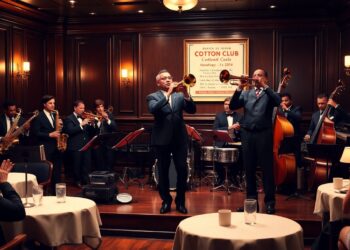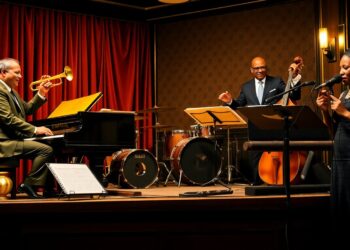
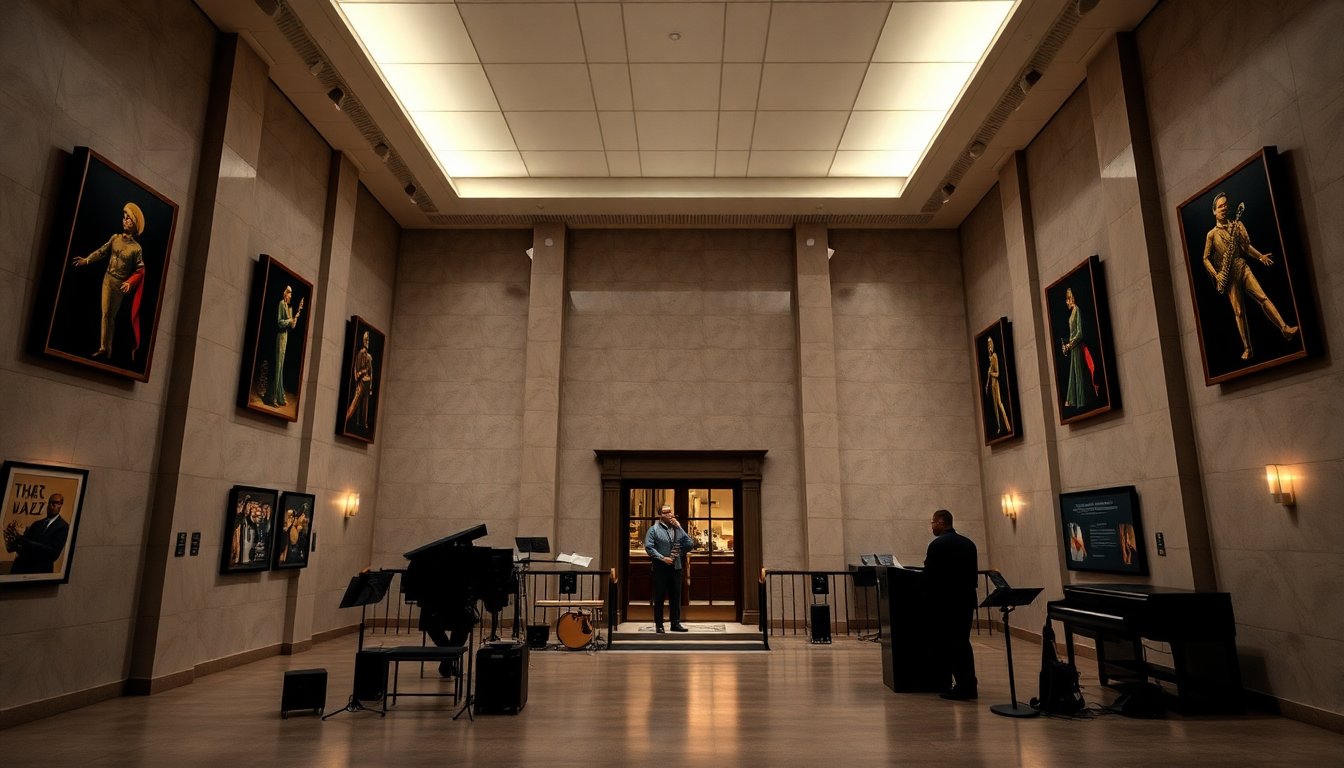
The national jazz museum in harlem photos show history, music, and people. The guide helps a photographer plan shoots, choose gear, and respect rules. The guide targets photographers who want clear, usable steps for museum work. The guide uses practical tips and exact spots to get strong images inside the museum.
Key Takeaways
- The National Jazz Museum in Harlem offers rich photo opportunities with original instruments, vintage posters, and live performances highlighting jazz history.
- Photographers should focus on signature subjects like exhibits, artifacts, timeline panels, and artist performances to capture compelling museum images.
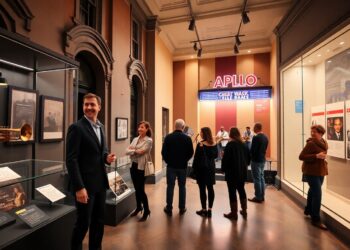
- Key photo spots include the entrance wall with framed portraits, Billie Holiday case, small performance room, instrument case, and curator desk for varied and iconic shots.
- Use prime lenses (35mm, 50mm, 85mm) and high ISO settings for low-light museum conditions, while respecting rules on flash and tripod use.
- Always obtain permission before photographing people and secure written licensing for commercial use, crediting the museum properly.
- Plan visits during weekday mornings or special events to access quieter galleries and nearby Harlem street scenes that complement museum themes.
Why The Museum Is A Must-Photograph Destination
The national jazz museum in harlem photos attract photographers for clear reasons. The museum holds original instruments, vintage posters, and personal letters. The museum hosts live talks and small performances. The space features period decor and framed portraits that tell stories. The museum staff curates rotating displays that renew subject matter for repeat visits. The museum connects photographers to Harlem history and to jazz icons. The museum gives visual context that a simple archive photo cannot match. Photographers find both museum content and live subjects worth documenting.
Signature Photo Subjects: Exhibits, Artifacts, And Live Performances
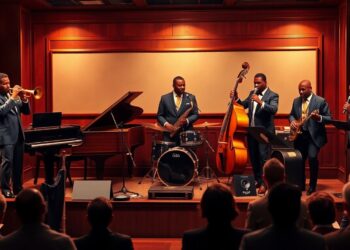
Photographers use the national jazz museum in harlem photos to show exhibits and to record people. The museum displays key artifacts such as saxophones, handwritten scores, and stage garments. The museum mounts timeline panels that pair images with dates and short captions. The museum sometimes features guest artists who perform in small rooms. The museum staff allows limited flash and close-ups when staff approves. Photographers plan shoots around item labels and groupings. Photographers look for contrasts: shiny instruments against dark walls, aged paper next to modern prints.
Top Spots And Angles To Capture Iconic Shots
Photographers find consistent spots to create strong national jazz museum in harlem photos. The entrance wall offers a wide, framed portrait that works as a lead image. The case with Billie Holiday material sits under soft side light for clear texture shots. The small performance room provides low-angle shots that show stage and audience together. The instrument case yields overhead shots that highlight keys and valves. The curator desk gives a detail shot of archive tags and gloves. Photographers try a mix of wide context shots and tight detail frames to tell a full visual story.
Practical Tips For Shooting Inside The Museum (Lighting, Gear, And Etiquette)
Photographers prepare gear for the national jazz museum in harlem photos. The museum favors prime lenses for low light. The museum permits high-ISO settings and steady hands. The museum often restricts tripods in narrow rooms. Photographers pack a 35mm and a 50mm and a fast 85mm for portraits. The museum lighting mixes warm and cool tones, so photographers set white balance in camera. The museum staff asks visitors to avoid loud noises and long setups. Photographers always ask permission before close shots of visitors or staff. The museum recommends review of rules before any shoot.
Permissions, Licensing, And Using Museum Images Legally
Photographers confirm rights before publishing national jazz museum in harlem photos. The museum owns some images and loans others from estates. The museum staff outlines copyright status for each item. Photographers request written permission for commercial use. The museum issues licenses that state duration, territory, and fee. Photographers credit the museum as requested and follow caption guidelines. The museum may require proof of insurance for on-site shoots. Photographers consult a lawyer for complex commercial projects or when a photo includes a living performer.
Planning Your Visit: Timing, Events, And Nearby Photo Opportunities In Harlem
Photographers plan visits to collect strong national jazz museum in harlem photos and street scenes. The museum hosts evening talks and Sunday performances that offer portrait opportunities. The museum runs special exhibits that rotate monthly and draw crowds. Photographers schedule weekday mornings for quiet access and for cleaner gallery shots. The neighborhood offers murals, brownstones, and clubs that match jazz themes. Photographers walk a few blocks to capture storefront signs and local performers. The museum sits near the Apollo Theater, which offers additional photo options with prearranged permission.