Jazz musicians from the Harlem Renaissance shaped American music and culture. They mixed blues, ragtime, and new rhythms. They changed performance, composition, and public taste. This article lists key figures and their roles. It shows how Harlem scenes, clubs, and audiences amplified their work.
Key Takeaways
- Jazz musicians from the Harlem Renaissance innovated by blending blues, ragtime, and new rhythms, significantly shaping American music and culture.
- Louis Armstrong revolutionized jazz with his focus on solo improvisation, making jazz more accessible and globally popular.
- Duke Ellington elevated jazz orchestration by composing sophisticated arrangements tailored to his band, influencing performance quality standards.
- Bessie Smith bridged blues vocals and jazz, inspiring musicians and expanding jazz audiences through her emotive singing style.
- Harlem’s vibrant club scene, patronage, and black media support provided musicians steady work, creative collaboration, and helped jazz reach national and international listeners.
- Fletcher Henderson and Mary Lou Williams set foundational jazz arranging and teaching practices, mentoring future generations and advancing the genre’s technical and artistic development.
How The Harlem Renaissance Fueled A Jazz Revolution
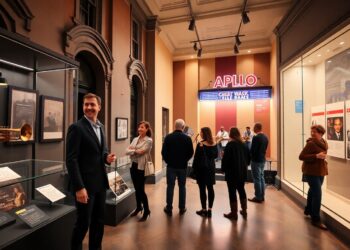
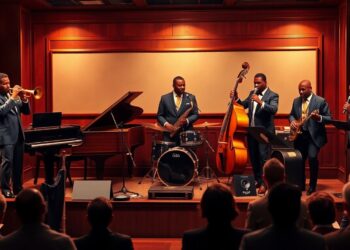
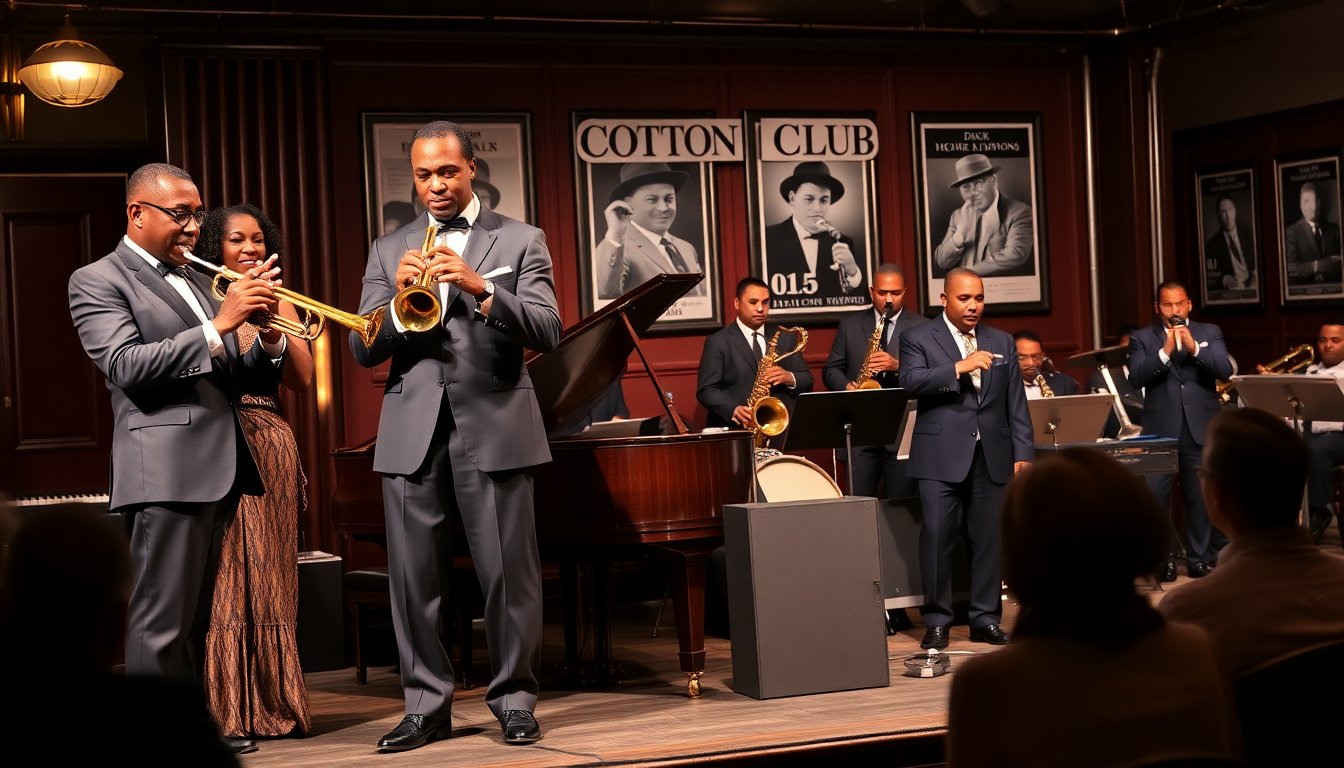
Harlem drew artists, writers, and musicians to one neighborhood. The area offered venues and paying audiences. Local clubs hired bands nightly. Patrons and black newspapers promoted new records and shows. Musicians from the Harlem Renaissance found steady work and creative peers. They experimented with form and style in public. This work made jazz more visible in national markets. Record labels and radio began to feature those artists. The Harlem social scene gave musicians money, feedback, and status.
Louis Armstrong: Improvisation, Soloing, And Global Stardom
Louis Armstrong left New Orleans and worked in Harlem clubs. He changed group playing by focusing on individual soloing. Armstrong used clear tone, rhythmic drive, and bold phrasing. Audiences reacted to his solos and vocal style. He recorded widely and toured internationally. Critics and fans credited him with bringing jazz to new listeners. Armstrong inspired younger jazz musicians from the Harlem Renaissance to take solos and to shape song interpretation. He also showed how a single performer could become a global star.
Duke Ellington And The Rise Of Orchestra Sophistication
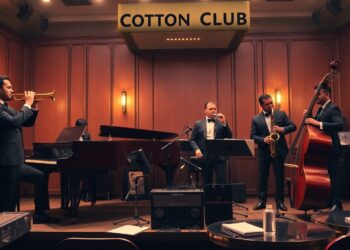
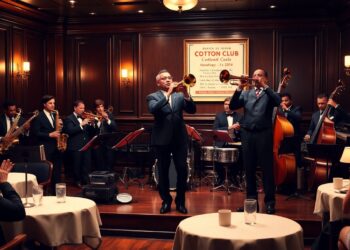
Duke Ellington led a Harlem orchestra that played at the Cotton Club. He wrote arrangements that fit specific players. Ellington composed pieces that used timbre and color as central elements. He treated the band as a collective voice and as a palette for new sounds. Audiences responded to his extended works and popular tunes alike. Ellington helped move jazz toward longer compositions and careful orchestration. Other bandleaders and arrangers studied his techniques. His work raised public expectations for jazz performance quality.
Bessie Smith And The Link Between Blues Vocals And Jazz
Bessie Smith recorded powerful blues that reached wide audiences. Her phrasing and timing influenced jazz singers and instrumentalists. Smith collaborated with jazz players on records and stage. Promoters marketed her as a major attraction in Harlem and beyond. Her voice carried emotion, swing, and clarity. Young jazz musicians from the Harlem Renaissance learned to shape their solos to support a singer. Record buyers and clubgoers who loved Smith also bought jazz records. Her presence helped blur lines between blues singing and jazz performance.
Cultural And Social Context: Clubs, Patronage, And Black Urban Life
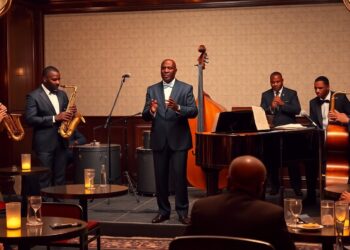
Clubs like the Cotton Club and Small’s Paradise offered regular gigs. Wealthy patrons and theater managers invested in shows and radio spots. Black newspapers and social groups promoted concerts and records. Musicians from the Harlem Renaissance relied on this mix of support to pursue music full time. The urban setting brought diverse audiences and new funding. Musicians gained contacts with writers, actors, and visual artists. That contact produced cross-genre projects and publicity. The social setting helped jazz reach middle-class and international listeners.
Fletcher Henderson: Arranging, Big Bands, And Swing Foundations
Fletcher Henderson led an influential big band in Harlem. He created tight arrangements that balanced ensemble and solo space. Henderson used call-and-response patterns and sectional voicings. Band members included future stars who carried his methods to other cities. His charts made room for soloists while keeping a strong group sound. Later arrangers and bandleaders adapted his ideas into swing-era standards. Musicians from the Harlem Renaissance learned ensemble discipline and rhythmic drive from his work. Henderson helped set the technical baseline for later orchestras.
Mary Lou Williams: Female Innovator, Composer, And Teacher
Mary Lou Williams wrote, arranged, and taught in Harlem. She played piano in nightclubs and studios. Williams mentored younger players and helped them read and arrange music. She blended blues, stride, and modern phrasing in her work. Other musicians sought her guidance on harmony and form. Williams composed pieces that fit both small groups and big bands. She showed that a woman could lead musical direction and training in a male-dominated scene. Her teaching and writing influenced a new generation of jazz artists from Harlem.