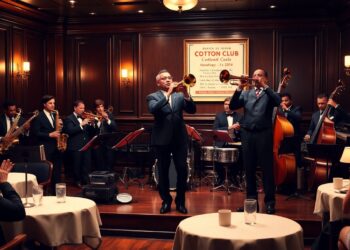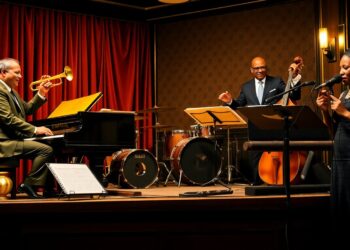
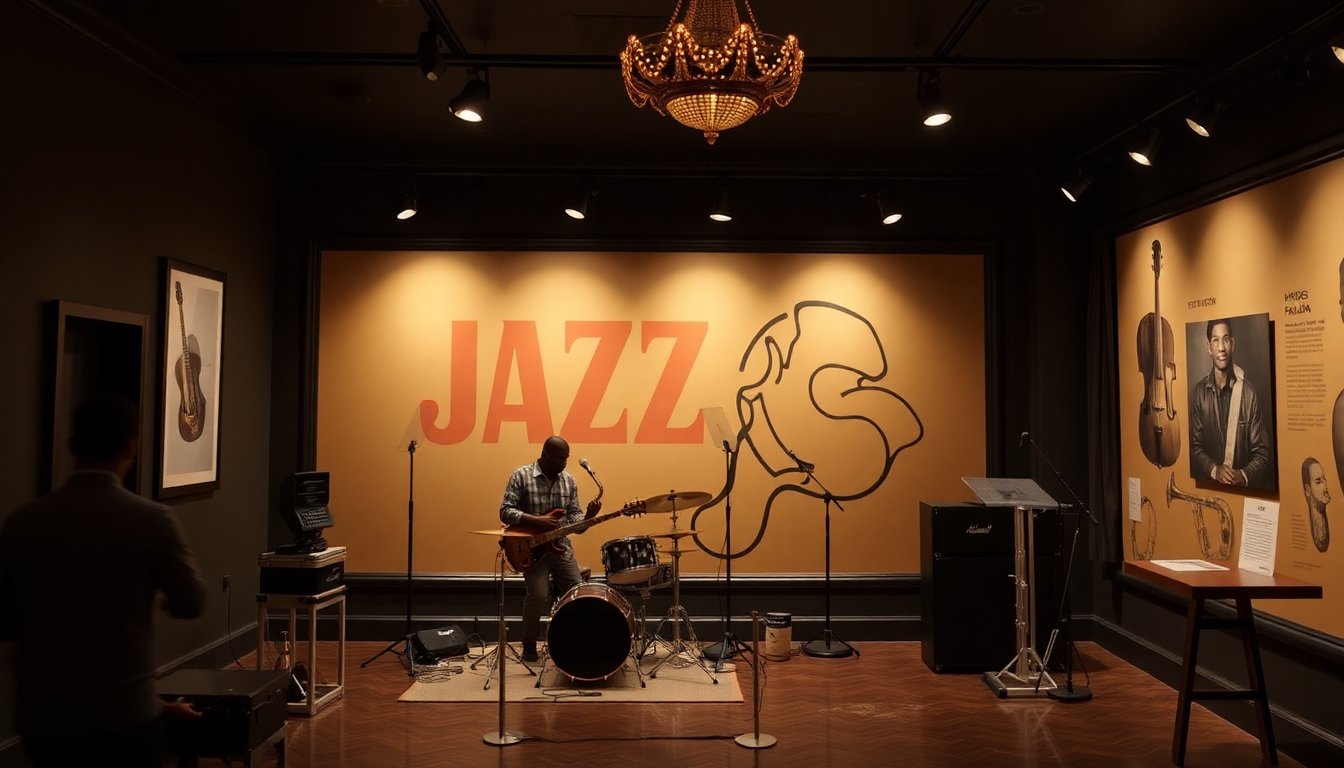
The jazz museum harlem sits at the corner of music and history. It tells stories of artists, communities, and movements. Visitors learn about jazz through artifacts, recordings, and live performance. The museum displays work that shaped American music. The museum sits in Harlem and centers Black creativity and social change.
Key Takeaways
- The Jazz Museum Harlem preserves and showcases jazz as a vital cultural practice rooted in Black creativity and social change.
- Visitors can explore rich timelines, rare recordings, instruments, and personal artifacts that highlight jazz’s evolution and community impact.
- The museum offers rotating exhibits and special installations emphasizing underrepresented voices and contemporary artist responses.
- Accessible facilities and online ticketing, including discounts and sensory support, make visiting the Jazz Museum Harlem convenient and inclusive.
- The museum hosts concerts, workshops, and educational programs linking local history with national jazz movements, enhancing community engagement.
- Located near historic Harlem sites and dining, the museum encourages a full cultural experience combining history, music, and cuisine.
Why The Jazz Museum In Harlem Matters
The jazz museum harlem preserves musical artifacts and oral histories. It shows how musicians responded to social change and urban life. The museum presents jazz as a cultural practice, not just sound. It provides context for songs, instruments, and recordings. The museum supports research and community programs. It archives interviews that researchers and students use. It gives visitors links between local history and national movements. It invites visitors to hear voices that mainstream accounts often miss. It anchors Harlem as a site of creative innovation.
What To See: Highlights And Must-Visit Exhibits
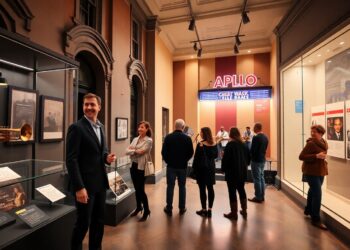
The jazz museum harlem showcases displays that appeal to casual listeners and scholars. Visitors start with timeline galleries that trace jazz from early 20th century to now. The museum offers listening stations with rare recordings and session notes. The museum displays photographs that capture club life and rehearsals. The museum includes interactives that let visitors isolate solos or compare arrangements. The museum hosts talks near exhibit spaces so visitors can ask questions. The museum places contextual labels that explain cultural references and technical terms.
Permanent Collections And Iconic Artifacts
The jazz museum harlem holds instruments played by noted artists, including brass and reed pieces. The museum preserves handwritten scores and annotated set lists. The museum keeps posters and flyers from historic performances. The museum displays personal letters that reveal creative processes. The museum cares for fragile items in climate-controlled cases. The museum digitizes recordings so visitors can stream originals. The museum maintains a research room that scholars can request. The museum rotates some objects so visitors return to see different artifacts.
Rotating Exhibits And Special Installations
The jazz museum harlem opens new exhibits that focus on a person, a scene, or a theme. The museum commissions work from contemporary artists who respond to jazz history. The museum mounts exhibits that highlight underrepresented voices in jazz. The museum pairs installations with public programs and performances. The museum uses multimedia to show recording sessions and interviews. The museum announces new shows on its calendar and social channels. The museum schedules previews for members and donors.
Planning Your Visit: Hours, Tickets, And Accessibility
The jazz museum harlem posts hours online and updates them for holidays. Visitors buy timed tickets on the museum website to reserve entry. The museum offers reduced-price passes for seniors, students, and local residents. The museum provides wheelchair access, ramps, and elevators. The museum supplies audio guides and large-print labels upon request. The museum trains staff to assist visitors with sensory needs. The museum lists safety rules and bag policies before arrival. The museum recommends booking concerts in advance because seats fill quickly.
Getting There, Nearby Attractions, And Where To Eat
The jazz museum harlem lies near major subway lines and bus routes. Visitors use local transit maps or rideshares to reach the museum. The museum sits within walking distance of historic clubs and cultural sites. Visitors pair a museum visit with a walk down a nearby avenue to see murals and landmarks. The area hosts restaurants that serve soul food, Caribbean dishes, and modern American fare. The museum posts a short list of nearby dining options and partner businesses. The museum suggests making dinner reservations for evening concerts.
Programs, Concerts, And Educational Events
The jazz museum harlem runs concerts that feature local and national artists. The museum schedules workshops for students and adult learners. The museum holds panel discussions with musicians, scholars, and producers. The museum offers school tours that align with curriculum standards. The museum records many events and adds them to its online archive. The museum partners with community groups to host outreach programs. The museum sells tickets online and offers member discounts. The museum lists upcoming programs with dates and ticket links on its site.