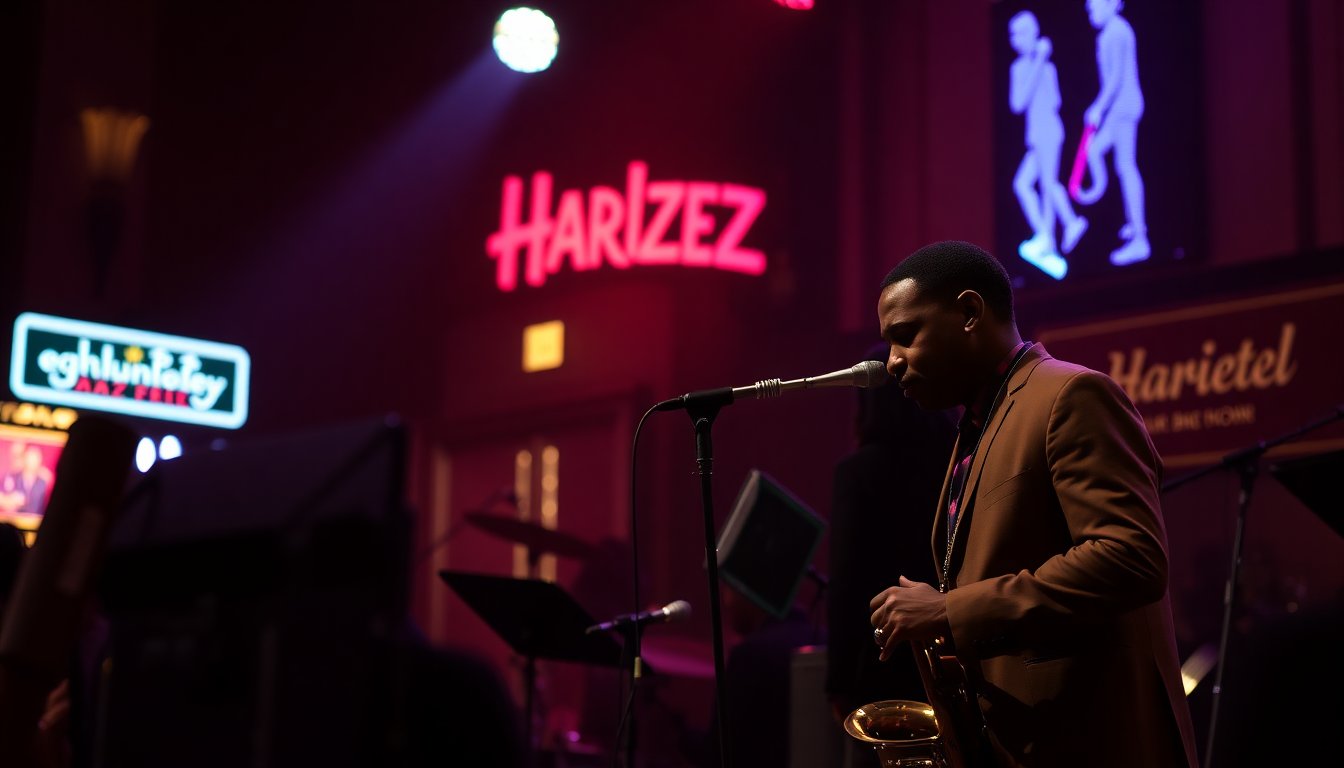
Harlem jazz music shaped sound, culture, and social life in New York City. Harlem jazz music mixed blues, ragtime, and African rhythms. Musicians moved to Harlem and formed bands. Clubs hosted tense jam sessions and packed dance floors. Listeners found new styles, new stars, and new rhythm. This article traces origins, the club scene, leading artists, instruments, and how Harlem jazz music lives today.
Key Takeaways
- Harlem jazz music originated from African American traditions, blending blues, ragtime, and African rhythms to create a distinct sound.
- The Harlem Renaissance and iconic venues like the Cotton Club and Savoy Ballroom elevated Harlem jazz music to national prominence through innovation and competition.
- Leading artists such as Duke Ellington, Billie Holiday, and Count Basie shaped Harlem jazz music with signature styles and influential bands.
- Piano, horns, drums, bass, and vocalists each played vital roles in crafting the complex and dynamic sound of Harlem jazz music.
- Harlem jazz music’s legacy lives on through festivals, education programs, recordings, and active performance scenes in New York City.
- Preservation efforts keep Harlem jazz music vibrant today by engaging new audiences and training young musicians in this historic genre.
Origins And Early Influences Of Harlem Jazz
Harlem jazz music grew from African American musical traditions. Musicians brought work songs, spirituals, and blues to northern cities. Ragtime piano and New Orleans jazz mixed with local Harlem styles. Recordings, sheet music, and touring bands spread new forms. Migration followed job opportunities and social networks. Harlem neighborhoods formed vibrant houses of worship and social clubs. Those venues gave musicians places to play and refine sound. Producers and talent scouts visited Harlem and recorded local artists. Early composers wrote tunes that later became jazz standards. Harlem jazz music so formed from clear musical threads and active community exchange.
The Harlem Renaissance And The Rise Of Jazz Clubs
The Harlem Renaissance gave writers, painters, and musicians a public stage. Jazz moved from informal gatherings to formal clubs. Club owners offered steady pay and a regular audience. The scene attracted tourists, actors, and business leaders. Newspapers and magazines covered shows and created celebrity culture. Musicians rehearsed long hours and developed signature arrangements. The club culture encouraged competition and innovation. That pressure pushed soloists to take risks and bands to tighten ensemble work. As a result, Harlem jazz music reached national audiences and influenced radio and record markets.
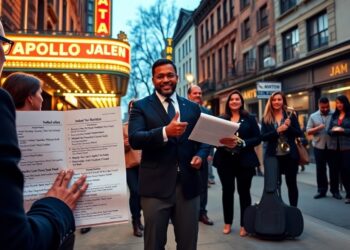
Iconic Venues And The Nightlife Scene (Cotton Club, Savoy, Small Clubs)
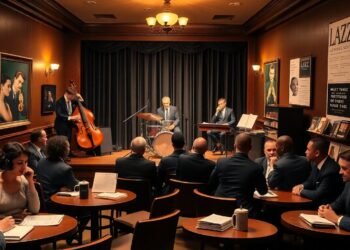
The Cotton Club offered a polished nightclub stage and national radio broadcasts. The Savoy Ballroom focused on dancing and live band battles. Small clubs provided experimental spaces for younger players. The Cotton Club showcased orchestras and featured choreographed shows. The Savoy hosted ballroom dances and swing contests that tested bands’ groove. Small clubs allowed extended solos and freer forms. Each venue served a different audience and musical need. Musicians moved among venues and sharpened technique. These clubs made Harlem jazz music visible to large and varied crowds. They also trained a generation of bandleaders and arrangers.
Key Musicians, Bands, And Styles That Defined Harlem Jazz
Duke Ellington led an orchestra that blended composition and improvisation. Fletcher Henderson arranged big band charts that shaped swing. Billie Holiday sang with intimate phrasing and clear emotion. Count Basie drove a rhythm section that emphasized feel and space. Small groups like quintets explored more interactive solos. Bands developed call-and-response patterns between sections. Musicians copied, adapted, and improved one another’s ideas. Record labels captured signature recordings that set style standards. These artists and bands created the palette that people call Harlem jazz music today.
Pioneering Instruments And Performer Roles (Pianos, Horns, Vocalists)
Piano players provided harmony, rhythm, and solos in many settings. Horn players offered lead melodies and bold riffs. Drummers kept time and pushed band dynamics. Bassists anchored chord progressions and pulse. Vocalists shaped songs with phrasing, tone, and lyric choices. Arrangers wrote parts that balanced ensemble and solo space. Soloists took center stage and demonstrated technical command. Ensembles used small-group interplay and big-band section writing. Each role required practice, listening, and strong time feel. Those roles defined how Harlem jazz music sounded in clubs and on records.
Legacy, Evolution, And Contemporary Harlem Jazz
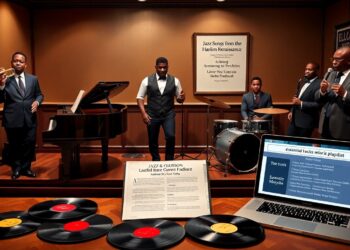
Harlem jazz music influenced bebop, modern jazz, and popular song. Musicians studied old records and reused motifs in new contexts. Clubs and labels carried traditions forward while new artists adapted form and harmony. The sound moved into colleges and conservatories as part of music education. Festivals and neighborhood programs revived interest and trained young players. Recording projects document veterans and young artists who play Harlem styles. Museums and archives preserve recordings, posters, and oral histories. The legacy appears in new recordings that reference swing, blues, and early jazz phrasing. Harlem jazz music so remains a living source of musical ideas.
Preservation, Festivals, Education, And Where To Hear Harlem Jazz Today
Community groups host concerts and jam sessions across Manhattan and boroughs. Annual festivals feature local bands and national headliners. Schools offer workshops that teach improvisation, ensemble skills, and history. Museums display artifacts and run listening programs for visitors. Promoters book residencies where both established and new artists perform. Record labels release archival sets and new albums that celebrate local style. Listeners can find performances at clubs, parks, and cultural centers throughout the city. These efforts keep Harlem jazz music audible, taught, and open to new audiences.