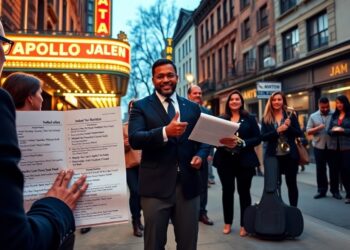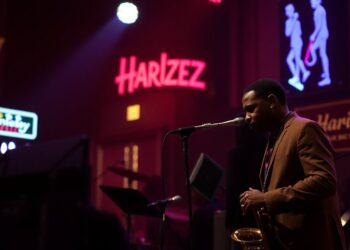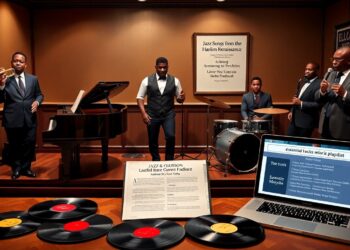
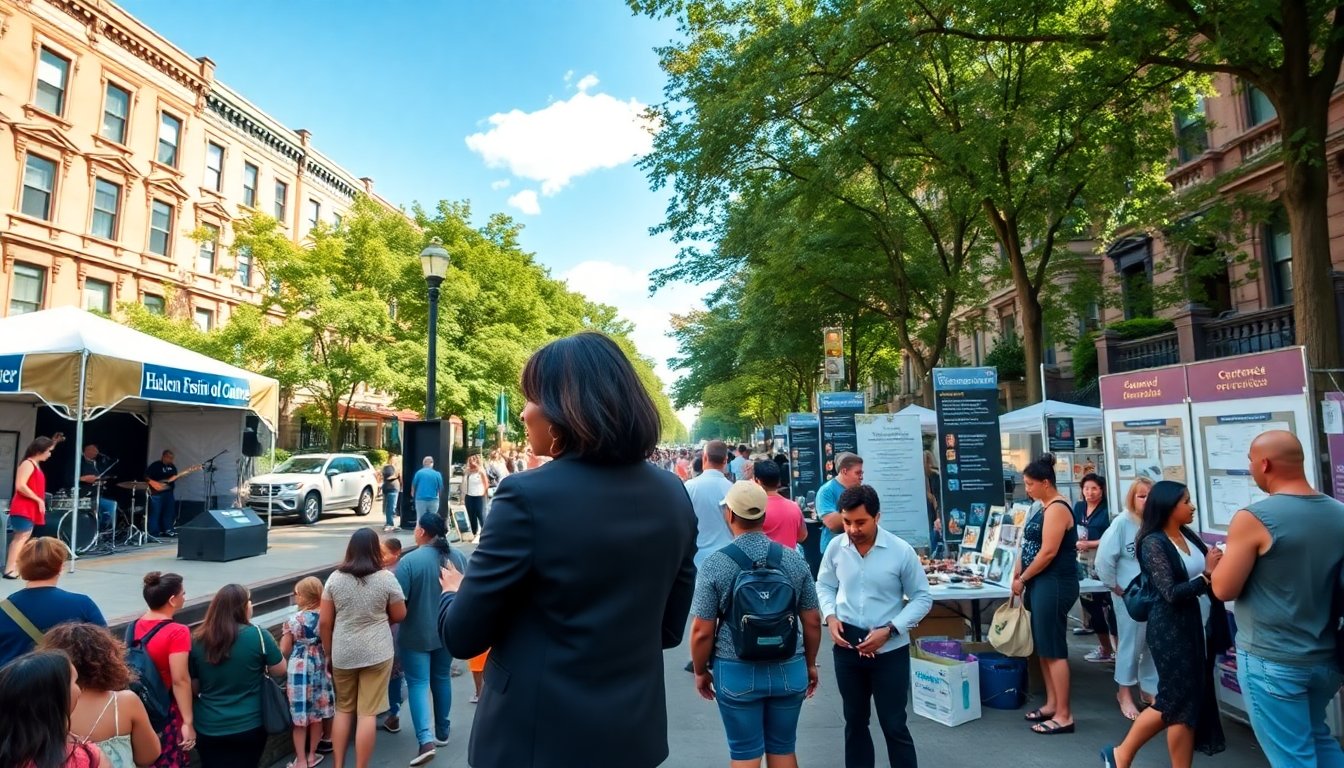
The Harlem Festival of Culture opens in late summer and draws music fans, food lovers, and families. The festival celebrates Black art, food, and community in Harlem. Visitors find live shows, local chefs, and crafts. This guide explains what the festival is, its history, main events, travel details, and practical tips. It helps readers plan a smooth visit to the Harlem Festival of Culture in 2026.
Key Takeaways
- The Harlem Festival of Culture celebrates Black art, music, food, and community, featuring genres like jazz, soul, hip-hop, and gospel.
- Attendees can enjoy a mix of free outdoor events and ticketed headline concerts showcasing both local talent and major artists.
- The festival offers diverse food options from Southern, West African, and Caribbean cuisines alongside craft markets and community booths.
- Planning ahead by purchasing tickets early, using public transit, and reviewing accessibility options enhances the visit experience.
- Families should arrive early for seating, check schedules for kid-friendly shows, and prepare with essentials like comfortable shoes and refillable water bottles.
- The Harlem Festival of Culture fosters cultural pride and supports local businesses while providing educational panels and youth programming.
What Is The Harlem Festival Of Culture? A Snapshot Of Purpose And Highlights
The Harlem Festival of Culture started to showcase local music, food, and art. The festival spotlights Black creators and neighborhood businesses. The Harlem Festival of Culture runs over several days and mixes free outdoor stages with ticketed shows. Attendees hear jazz, soul, hip-hop, and gospel. They sample Southern and Caribbean dishes and buy art from local vendors. The festival also hosts panels on community issues and youth programs. The event aims to lift local voices, drive foot traffic to shops, and build shared cultural pride. The Harlem Festival of Culture attracts visitors from across the city and beyond.
A Brief History: From Local Block Parties To A Cultural Institution
Residents began holding block parties in Harlem decades ago. Local musicians and cooks set up on sidewalks. Over time, organizers formalized the events and added stages and vendor areas. The festival grew each year and drew city funding and sponsorships. The event kept its focus on community leadership and local talent. Major artists performed alongside neighborhood acts. Schools and community groups joined the program. The Harlem Festival of Culture kept adapting but kept its local roots. Today the festival records higher attendance and wider press coverage than the early block parties did.
What To Expect Today: Key Events And Program Highlights
The Harlem Festival of Culture runs several stages, tents, and street markets. The schedule mixes headline concerts, daytime family shows, and late-night club events. Curators program acts to represent Harlem’s musical history and current scene. Visitors can expect live bands, spoken-word shows, dance crews, and gospel choirs. Food rows offer soul food, West African dishes, and Caribbean specialties. A craft market features printmakers, jewelers, and painters. Community booths offer information on local services and youth programs. The festival also schedules midday talks on arts funding and neighborhood development.
How To Plan Your Visit: Dates, Tickets, Transportation, And Accessibility
The Harlem Festival of Culture sets dates each summer. Organizers publish the exact schedule on the festival website. Many daytime events are free. Headline concerts and indoor shows require tickets. Tickets sell out for major acts, so visitors buy them early. Transit options include the subway lines that stop near central Harlem and several bus routes. Rideshares and limited parking exist near venue areas. The festival offers accessible viewing areas and sign language interpreters for main stage shows. Visitors with mobility needs contact festival staff in advance for assistance.
Practical Tips For First-Time Attendees And Families
First-time visitors pack light and bring a refillable water bottle. They wear comfortable shoes for walking on streets and sidewalks. Families arrive early to secure seating near family stages. Parents check the schedule for kid-friendly shows and quiet zones. Visitors set meeting points in case phones die or get crowded. They carry small cash for vendors that do not accept cards. Attendees watch personal items in busy areas. If rain appears, they bring lightweight rain gear. Volunteers and information booths help with local questions and lost items.