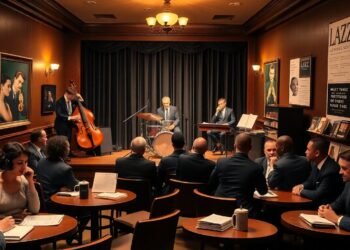
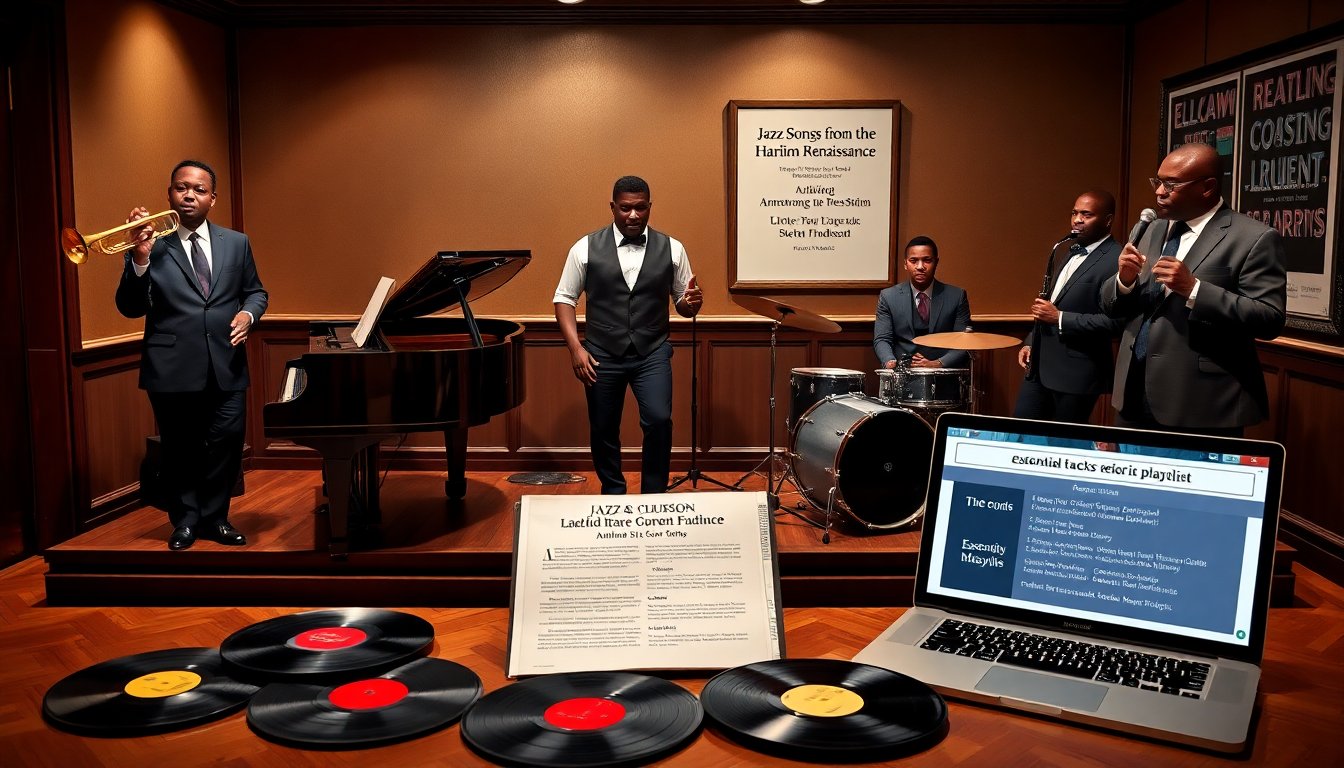
The article covers jazz songs from the Harlem Renaissance and why they matter. It shows key songs, artists, and recordings. It explains how the songs changed jazz. It gives clear listening notes and sources for authentic versions.
Key Takeaways
- Jazz songs from the Harlem Renaissance reflect a rich blend of blues, ragtime, and popular music that shaped the era’s unique sound and cultural expression.
- Iconic artists like Duke Ellington, Louis Armstrong, Jelly Roll Morton, Bessie Smith, and Fletcher Henderson defined Harlem Renaissance jazz with innovative recordings and performances.
- Essential Harlem Renaissance jazz songs showcase evolving rhythms, call-and-response patterns, solo space, and arrangements that influenced future jazz styles like swing and bebop.
- Authentic versions of these jazz songs can be found on original 78 rpm pressings, reissues, and major streaming platforms equipped with detailed session notes and historical context.
- Studying these jazz songs deepens appreciation by highlighting musical form, phrasing, and the transition from Harlem jazz to later big band and small-group innovations.
- Modern resources—museums, curated playlists, and archives—facilitate exploring jazz songs from the Harlem Renaissance and tracing their impact on subsequent jazz evolution.
Why Jazz Blossomed In Harlem: Cultural And Musical Context
Harlem hosted a large Black population after the Great Migration. Musicians moved there and formed bands. Audiences attended clubs and dances. Venues like the Cotton Club and the Savoy Ballroom hired bands and singers. Record labels and radio stations noticed the music. Composers and arrangers wrote pieces that blended blues, ragtime, and popular song. The result became known as jazz songs from the Harlem Renaissance. Critics and fans debated style and meaning. Many artists used the music to express daily life, pride, and resistance. The scene gave young musicians steady work. That work let them practice, record, and tour. The songs grew richer in harmony and rhythm. They also adopted call-and-response patterns from church music. Dance trends shaped tempo and arrangement. Producers recorded the songs for national audiences. Those recordings spread the sound beyond New York.
Eight Essential Jazz Songs From The Harlem Renaissance (What To Listen For)
- “East St. Louis Toodle-Oo” by Duke Ellington (1926). Listeners hear growling brass and muted trumpet calls. The melody mixes blues phrasing with dance rhythm. 2. “Black and Tan Fantasy” by Duke Ellington (1927). The piece pairs a mournful trumpet line with a bold ensemble. Notice the shift from minor to major colors. 3. “Royal Garden Blues” by Jelly Roll Morton (recorded versions in the 1920s). The tune features ragtime syncopation and early swing feel. 4. “St. Louis Blues” by Bessie Smith with Louis Armstrong (1925). The recording highlights vocal power and a solo trumpet reply. 5. “Hotter Than That” by Louis Armstrong and His Hot Five (1927). Listen for a hot solo, strong rhythm, and playful breaks. 6. “Hesitation Blues” by Fletcher Henderson (popular arrangements in the 1920s). The song shows big band arranging taking shape. 7. “Black Bottom Stomp” by Jelly Roll Morton (1926). The track blends ensemble hits, stop-time, and solo exchanges. 8. “Weather Bird” by Louis Armstrong and Earl Hines (1928). The duet shows piano and trumpet trading phrases with precise timing. Each selection shows a different aspect of jazz songs from the Harlem Renaissance. Listeners should focus on rhythm, call-and-response, solo space, and arrangement choices. These traits mark the era and signal later changes in jazz.
Key Artists, Recordings, And Where To Find Authentic Versions
Duke Ellington led an orchestra at the Cotton Club and recorded many defining tracks. Louis Armstrong recorded hot solos with the Hot Five and Hot Seven. Jelly Roll Morton documented earlier piano-based styles. Bessie Smith recorded powerful blues vocals with top jazz players. Fletcher Henderson arranged for dance bands and influenced big band writing. They recorded on labels like Okeh, Columbia, and Victor. Archivists later reissued those masters on CD and streaming services. Libraries and university archives host scans of original sheet music and record catalogs. Collectors value 78 rpm pressings and original label issues. Modern listeners can find high-quality transfers on major streaming platforms and on specialty sites like the Library of Congress National Jukebox. Reissues often include notes that identify session dates, personnel, and take numbers. That data helps listeners confirm authenticity. Museums and jazz societies publish curated playlists and guides. They list session players, recording dates, and historical context. Those resources help listeners choose accurate versions of jazz songs from the Harlem Renaissance.
How The Songs Shaped Later Jazz Styles And How To Appreciate Them Today
Musicians used techniques from Harlem recordings to build swing and bebop. Arrangers expanded harmony and added sectional contrast. Soloists extended melodic language and rhythmic phrasing. Bands adopted syncopated grooves and clearer solo space. Those changes led to big band swing in the 1930s and to small-group innovation in the 1940s. Critics and teachers study the recordings for form and phrasing. They transcribe solos to teach improvisation. Listeners who study structure hear motifs and development. They notice how a simple riff becomes a full arrangement. To appreciate the songs today, listeners should compare multiple takes and versions. They should focus on texture, phrasing, and ensemble balance. They should also read session notes and short bios of players. That knowledge sharpens listening and reveals how the songs influenced later jazz. Museums, reissues, and streaming playlists make it easier to hear original performances. They let listeners trace lines from Harlem recordings to later jazz styles.