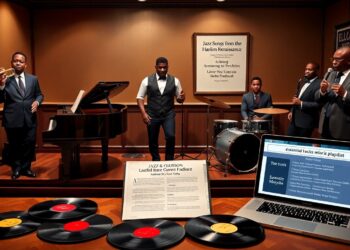

Did the Harlem Renaissance create jazz is a common question among readers. Historians ask the question to assign cause and influence. The question requires careful facts. This article examines sources, scenes, and artists. It looks at what changed and what already existed.
Key Takeaways
- The Harlem Renaissance did not create jazz but significantly amplified and transformed it by providing venues and visibility for Black musicians.
- Jazz evolved gradually from diverse regional Black musical traditions prior to Harlem’s cultural emergence.
- Key figures like Louis Armstrong and Duke Ellington bridged earlier styles and helped define jazz as a public art form during the Harlem Renaissance.
- Harlem’s cultural scene influenced jazz by linking it to Black identity, social change, and artistic expression, shaping repertoire and presentation.
- The Harlem Renaissance established jazz’s public image and sophistication, laying foundational legacies still studied and celebrated in music today.
The Musical Landscape Before The Harlem Renaissance
Before Harlem rose as a cultural hub, Black musicians played many musical forms across the United States. Ragtime, blues, spirituals, field hollers, and brass-band music existed in southern towns and northern cities. Musicians combined African rhythms, European harmony, and American performance practices. Cities such as New Orleans and Chicago hosted bands and soloists who experimented with syncopation and improvisation. Recordings and sheet music spread musical ideas. So, listeners and players entered the Harlem scene with active musical traditions already in place. Many scholars ask, did the Harlem Renaissance create jazz when they review these earlier sources.
How The Harlem Renaissance Shaped Jazz: Venues, Musicians, And Audiences
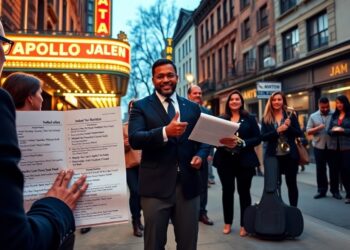
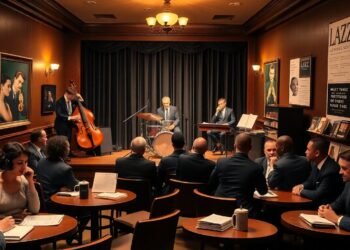
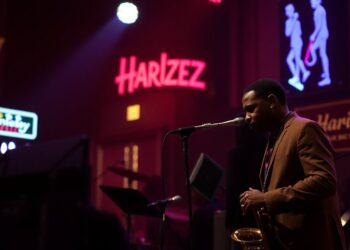
Harlem provided new stages for Black musicians. Clubs, theaters, and rent parties gave artists steady work. Producers and club owners booked bands for nightly shows. Critics and white patrons came to Harlem and heard new band formats. Musicians adjusted style to suit dance floors and listening rooms. Harlem helped musicians refine ensemble playing and soloing. The improved exposure pushed jazz into national attention. Did the Harlem Renaissance create jazz or did it amplify jazz? Evidence shows Harlem amplified and altered jazz by creating demand and visibility.
Key Figures And Bands Who Bridged Traditions
Louis Armstrong, Duke Ellington, Fletcher Henderson, and Bessie Smith moved between cities and venues. Armstrong brought solo improvisation into band practice. Ellington composed longer pieces for dance halls and clubs. Henderson arranged larger ensembles that used call-and-response and sectional writing. These leaders blended New Orleans polyphony, blues feeling, and Tin Pan Alley forms. They recorded records and toured. Their work helped define jazz as a public art form. People often ask did the Harlem Renaissance create jazz after studying these figures, but the answer shows shared authorship across regions.
Cultural Forces: Literature, Dance, And Black Identity Influencing Jazz
Writers, dancers, and thinkers in Harlem shaped how people discussed Black music. Poetry and essays framed Black music as artistic expression. Dancers required faster tempos and clearer beats. Newspapers and magazines reviewed performances and raised public interest. Intellectuals linked music to racial pride and social change. These cultural forces affected repertoire and presentation. Musicians responded by choosing songs, arranging sets, and naming pieces that reflected identity. Scholars still debate whether this cultural framing means did the Harlem Renaissance create jazz, or whether it only gave jazz new meanings and audiences.
Myths Versus Realities: What The Harlem Renaissance Did — And Didn’t — Create
Myth: Harlem invented jazz from scratch. Reality: Jazz evolved from regional Black musical practices across the South and Midwest. Myth: One event or city created jazz overnight. Reality: Jazz developed gradually through shared practices, travel, and technology. Harlem did not create jazz alone. Harlem did create venues, writers, and critics who shaped jazz’s public image. Harlem did influence style by encouraging band sophistication and extended compositions. Historians who ask did the Harlem Renaissance create jazz often find a middle path. They state Harlem transformed public perception and helped codify jazz as an art form while drawing on preexisting musical roots.
Legacy: How The Harlem Renaissance Continues To Influence Jazz Today
Musicians today cite Harlem-era composers and bandleaders as models. Schools and programs study Ellington and Armstrong as composers and soloists. Festivals program Harlem-inspired suites and revivals. Record collectors and historians preserve Harlem recordings. The concept of jazz as both popular music and art music traces to Harlem’s public platforms. Critics still pose the question did the Harlem Renaissance create jazz when they teach or write. The enduring legacy shows Harlem shaped jazz identity and audience expectations. It left a record of performance practice, composition techniques, and promotional methods that musicians use now.