Harlem jazz musicians drove a major musical shift in the 1920s. The neighborhood drew players, singers, and arrangers from across the United States. They played in clubs, on street corners, and in theaters. The music shaped local identity and created new careers. This article describes how social change, key figures, venues, styles, and influence combined to make Harlem a lasting jazz center.
Key Takeaways
- Harlem jazz musicians revolutionized 1920s music by blending blues, ragtime, and gospel into innovative swing and ensemble styles.
- Economic opportunities and cultural pride in Harlem created a thriving environment for jazz musicians to perform, experiment, and gain exposure.
- Pioneers like Duke Ellington, Louis Armstrong, and Billie Holiday shaped the Harlem jazz sound through band leadership, improvisation, and emotional expression.
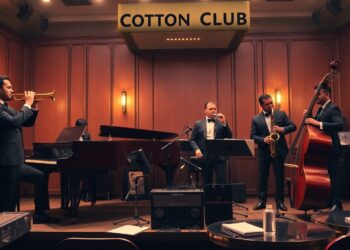
- Venues such as the Cotton Club and Apollo Theatre fueled musical innovation by hosting jam sessions and allowing musicians to refine their craft.
- Musical innovations included a shift to individual soloing, tighter arrangements, and new rhythm patterns that defined the Harlem jazz style.
- Harlem jazz musicians profoundly influenced American culture and global jazz scenes by spreading their techniques through recordings, tours, and education.
How Jazz Took Root In Harlem: Social, Economic, And Cultural Drivers
Harlem jazz musicians found fertile ground in the 1920s because migration changed the city’s population. Black families moved north for jobs and safety. They brought musical skills and new tastes. Entertainment entrepreneurs saw a market and opened clubs. Rent stayed relatively low in parts of Harlem, so bands could rehearse and perform affordably. Newspapers and radio gave musicians wider exposure. Local churches and social clubs supported lessons and amateur shows. The mix of economic need and cultural pride led bands to experiment. Musicians adapted blues, ragtime, and gospel into swing and ensemble forms. Audiences then rewarded innovation with steady attendance and tip money. That steady income encouraged further musical risks.
Pioneering Musicians Who Shaped The Harlem Sound
Harlem jazz musicians included both household names and local heroes. Duke Ellington led a band that refined big-band textures at the Cotton Club. Louis Armstrong brought improvisation and a solo focus that changed how bands arranged songs. Fletcher Henderson organized horn sections and call-and-response phrasing that many bands copied. Billie Holiday gave songs emotional depth with phrasing and timing. Mary Lou Williams taught younger players and wrote arrangements that bridged styles. Cab Calloway added showmanship and scat singing. Each musician taught others through performance and recordings. Bands hired rising players and spread new ideas through touring. Local teachers and bandleaders also trained hundreds of players who later joined national acts. Those links kept the Harlem sound alive and evolving.
Venues, Jam Sessions, And The Nightlife That Fostered Innovation
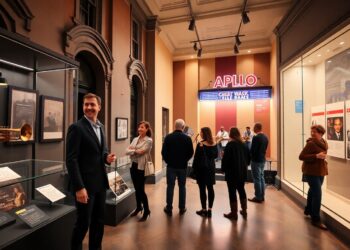
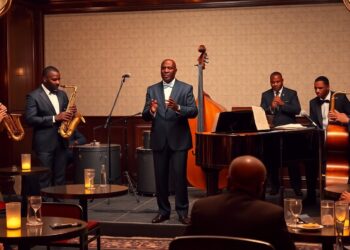
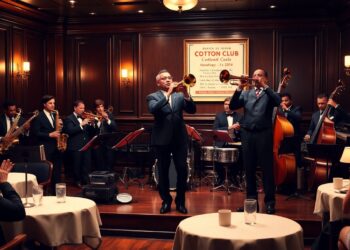
Harlem jazz musicians relied on clubs and informal sessions to refine ideas. The Cotton Club, the Savoy Ballroom, and the Apollo Theatre drew large crowds and paid steady wages. Small basement clubs and private rent parties let new bands test material without high overhead. Jam sessions at after-hours spots let soloists trade solos and borrow phrases. Promoters ran dances and tours that moved sounds between neighborhoods. Club owners sometimes insisted on specific song lists, but they often allowed improvisation within those songs. House bands learned to back singers and to solo at length. Musicians used these venues to try new rhythms, extended solos, and unexpected arrangements. Audiences responded with applause and tips, which encouraged more daring performances.
Musical Innovations: Styles, Arrangements, And Performance Techniques
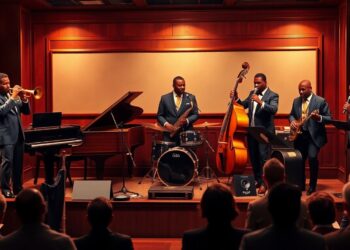
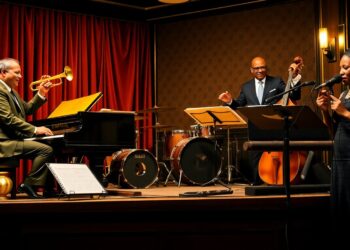
Harlem jazz musicians introduced clear musical shifts in style and technique. They moved focus from collective ensemble playing to individual soloing. Arrangers wrote tighter horn voicings and exchanged long collective statements for short riffs. Pianists developed new comping patterns that supported soloists and pushed harmony. Drummers shifted from strict march beats to swing patterns that propelled dancers. Singers used phrasing like an instrument and altered lyrics to add personal meaning. Musicians also experimented with extended forms and tempo changes inside songs. They blended blues scales with European harmony to create richer chord progressions. These techniques produced a sound that felt both familiar and new. Recordings captured these changes and let other musicians learn the new language quickly.
Harlem’s Influence On American Culture And Global Jazz Scenes
Harlem jazz musicians shaped popular culture and influenced global music. Radio and records spread their work to cities and rural areas. Film and stage shows borrowed jazz rhythms and styling. White bands and European players adopted Harlem techniques and brought them back to other scenes. Schools and conservatories later included jazz in curricula because of that influence. Dance forms like the Lindy Hop grew from Harlem rhythms and then spread worldwide. Social attitudes shifted as jazz entered mainstream entertainment and the recording industry. Musicians from Harlem toured Europe and Asia and inspired local scenes there. Historians credit Harlem artists with pushing improvisation and arranging forward. Those changes cemented jazz as both an American art form and a global language.