Harlem jazz clubs 1920s drew musicians, dancers, and audiences from across New York. The venues offered music, jobs, and social space. Performers pushed musical limits. Audiences changed fashion and taste. The scene shaped American music and city life in clear, fast ways.
Key Takeaways
- Harlem jazz clubs in the 1920s rapidly grew after World War I, offering musicians steady work and attracting national attention through venues near Lenox Avenue and 133rd Street.
- The Cotton Club was a flagship Harlem jazz club in the 1920s, famous for its big-band performances by Duke Ellington and its nationally broadcast shows, despite enforcing racial segregation.
- Harlem jazz clubs blended music, dance, and fashion, creating vibrant social rituals where performers and audiences influenced trends like the Charleston and Lindy hop.
- These clubs played a critical role in shaping American music by innovating jazz phrasing and rhythm, while also fostering economic opportunities for Black artists and challenging racial barriers.
- The legacy of Harlem jazz clubs 1920s extends beyond music to impact fashion and civil rights, inspiring later musicians, designers, and social movements.
The Rise Of Harlem’s Jazz Scene After World War I
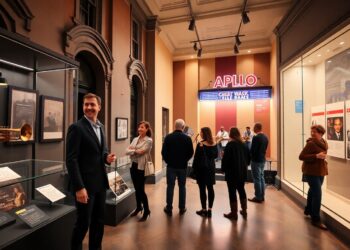
After World War I, Harlem jazz clubs 1920s grew quickly. Returning soldiers and migrants moved to Harlem for work and chance. Club owners opened rooms near Lenox Avenue and 133rd Street. Musicians found steady work in those rooms. Record companies and papers started to notice. The area gained national press and touring acts. The clubs offered spaces for new songs, new dances, and new styles. City nightlife expanded and money flowed into music, fashion, and patronage.
Legendary Clubs That Defined The Era
A few venues made Harlem jazz clubs 1920s famous. Each club drew a distinct crowd. Owners staged shows to attract tourists and locals. The clubs set standards for booking, promotion, and spectacle. They also shaped how musicians learned to play for dancers and radio. The next subsections describe the most notable rooms.
The Cotton Club: Spectacle, Segregation, And Big-Band Stardom
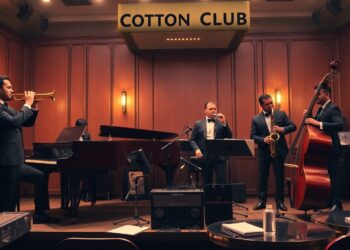
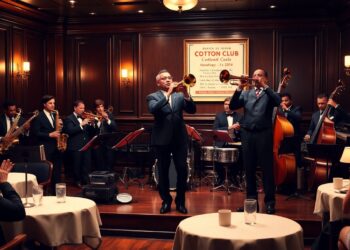
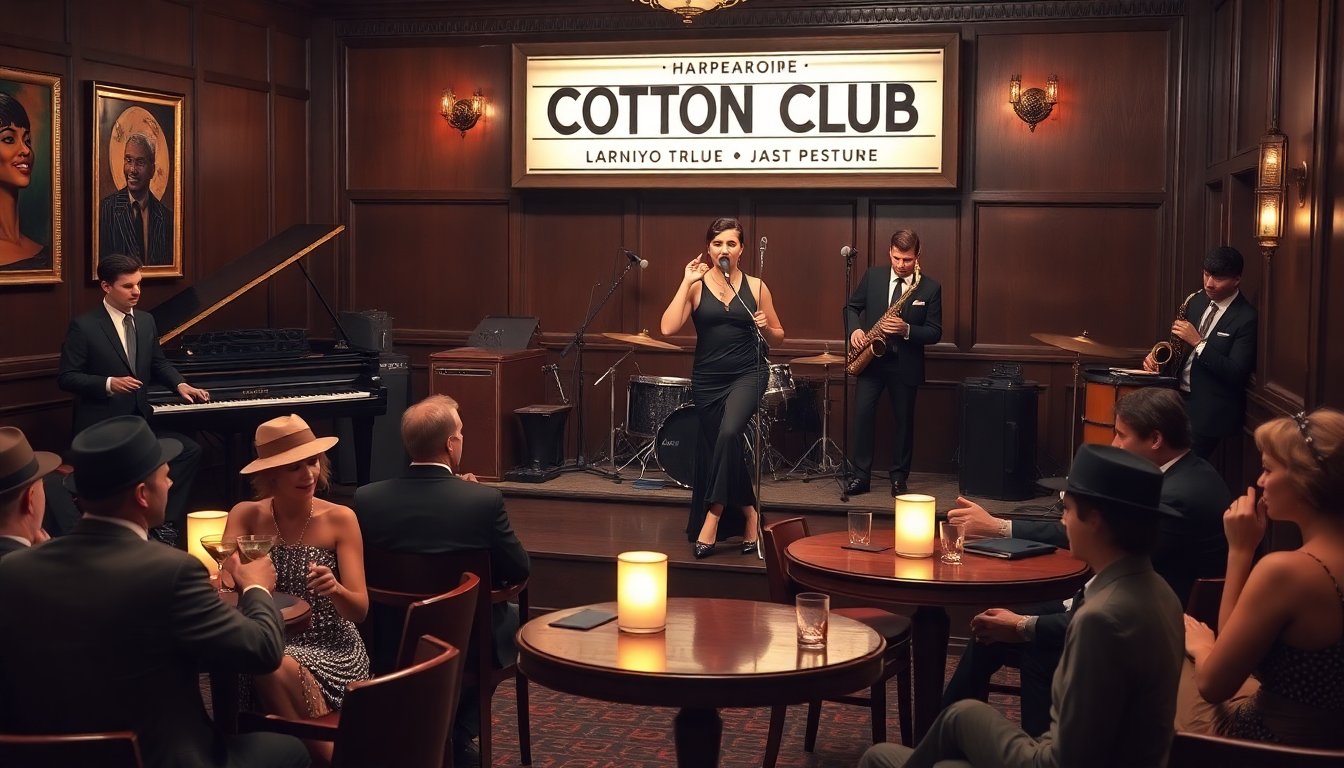
The Cotton Club became a national brand in the 1920s. The club hired Duke Ellington and other top bands. The house show mixed jazz with vaudeville and dance lines. White audiences watched shows behind a segregated policy. Owners used exotic themes to sell tickets. Radio broadcasts pushed the Cotton Club into millions of homes. Musicians gained fame and higher pay at the club. The Cotton Club shaped the public image of Harlem jazz even though its exclusionary rules.
Nightlife Culture: Performers, Audiences, And Social Rituals
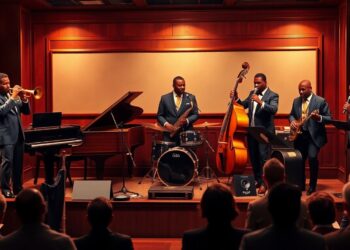
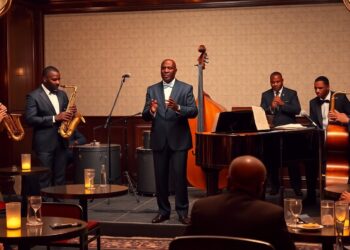
Nightlife at Harlem jazz clubs 1920s mixed music, dance, and fashion. Performers rehearsed hard and polished set lists. Audiences arrived in fine clothes and new shoe styles. Dancers showed moves like the Charleston and Lindy steps. People socialized at tables, bars, and on the floor. Promoters used photography and press to build stars. Musicians and fans traded fashion tips and gossip between sets. The clubs formed networks that linked artists, owners, and patrons across the city.
Legacy And Influence On American Music, Fashion, And Civil Rights
Harlem jazz clubs 1920s left clear marks on music and society. Musicians from those clubs changed jazz phrasing and rhythm in lasting ways. Band arrangements from the clubs influenced radio and records. Fashion from club crowds spread to other cities. The clubs created economic paths for Black performers and staff. The public success of Black artists challenged some racial assumptions and opened new debates about equality. Later musicians and designers cited the clubs as direct influences on their work and identity.