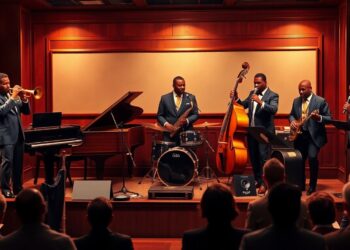
Dark brown hair mintonsharlem blonde highlights lowlights create high-contrast looks. This guide explains what that color means for dark brown hair. It lists practical placement options and care steps. It helps stylists and clients choose mixtures that suit tone and face shape. It sets expectations for maintenance and salon timing.
Key Takeaways
- MintonShArlem blonde highlights and lowlights add natural dimension and contrast to dark brown hair without full bleaching.
- Stylists strategically place blonde highlights near the face and crown and lowlights in mid-lengths and ends to enhance face shape and hair texture.
- Choosing the right tone and highlight placement depends on skin undertone and face shape to achieve a flattering balance.
- Maintaining dark brown hair with MintonShArlem blonde requires sulfate-free shampoo, color-safe masks, and heat protection to preserve color and shine.
- Salon touchups include root blending every 6–8 weeks and toning glazes or lowlight refreshes scheduled based on the fading and hair density.
- Clients should track color results with photos and communicate preferences for optimal personalized color maintenance.
What MintonShArlem Blonde Means For Dark Brown Hair
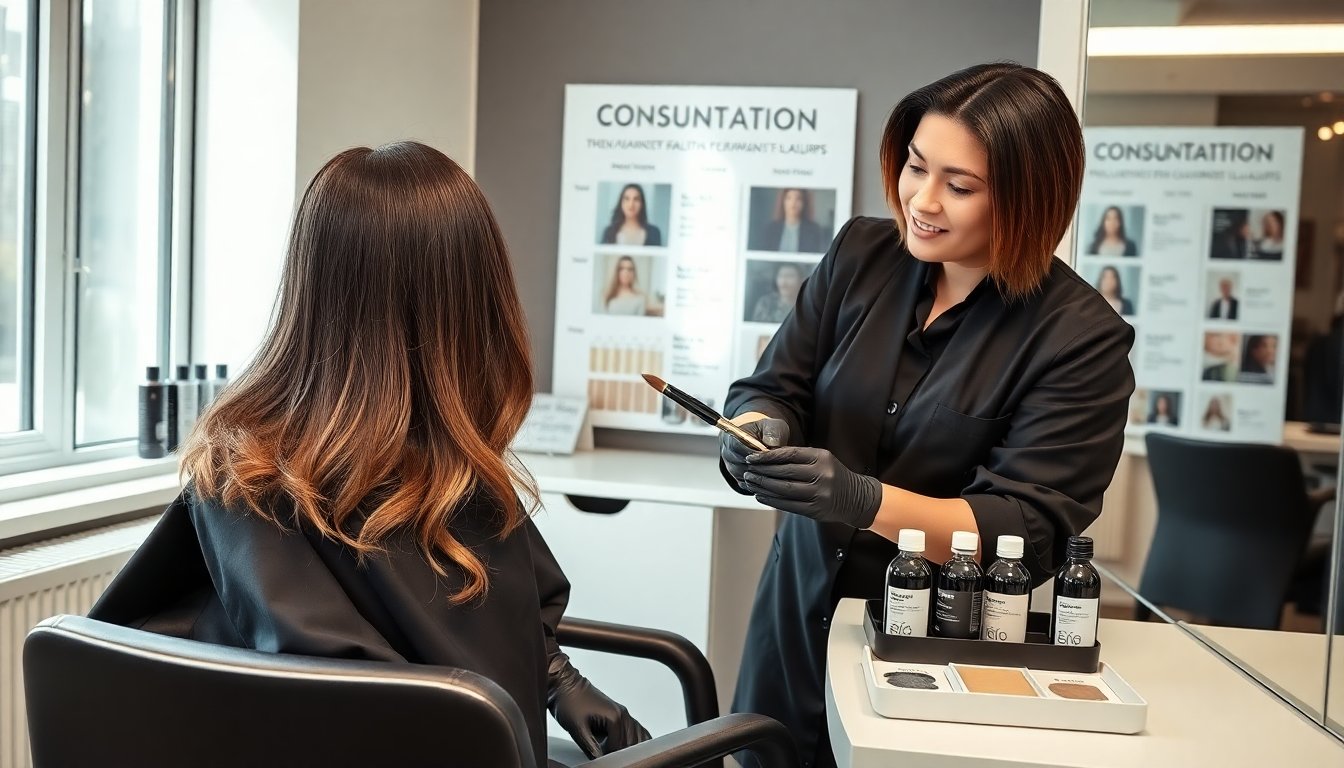
MintonShArlem blonde refers to a warm ash-blonde with soft golden threads. Stylists use the name to describe a mid-range blonde that reads natural against brown. Clients with dark brown hair mintonsharlem blonde highlights lowlights get depth and lift without full bleach. Stylists lift targeted strands to this blonde and lower others by a shade or two. The mix creates contrast and preserves base richness.
This color works on natural brown and color-treated hair. It reduces the need for full-head lightening. Technicians use foil or balayage to place the blonde near the face and crown. They add lowlights to the mid-lengths and ends to keep density. The result shows both brightness and dimension.
Colorists should assess base level and hair condition. They perform strand tests to predict lift and tone. They choose a bonding and conditioning protocol for lightened sections. They map timing to avoid overprocessing. Clients should ask for a color formula and a photo record. They should confirm the expected number of salon visits.
Best Highlight And Lowligh Placement For Natural Contrast
Stylists place highlights and lowlights to frame the face and keep balance. They place bright MintonShArlem blonde pieces near the hairline and above the cheekbones. They place lowlights behind the ears and under layers. They place thin face-framing slices to lift the complexion. They place thicker back sections to avoid striping.
Stylists blend by softening edges and feathering toward the ends. They vary the width of sections to avoid a striped effect. They stagger placement so highlights do not sit in one horizontal row. They alternate light and dark pieces for natural movement. They match highlight height to the haircut so the light falls where the hair moves.
They choose placement by hair texture. They place more highlights on fine hair to add the look of volume. They space highlights wider on thick hair to avoid a patchy look. They use more lowlights on dense hair to reduce the visual weight. They keep more blonde on textured hair to show shape and curl.
Face Shape, Skin Tone, And Styling Considerations
They select placement by face shape. They lift around a round face to lengthen the look. They soften angles for a square face with face-framing lowlights. They add brightness at the temples for a heart-shaped face.
They select tone by skin undertone. They choose warmer MintonShArlem blonde pieces for warm undertones. They choose cooler, ashy fades for cool undertones. They test a small section if skin tone is neutral.
They advise styling to enhance contrast. They instruct clients to use loose waves to show dimension. They recommend a mid-shine styling cream to separate strands. They recommend heat protection to preserve color.
Maintenance, Color Care, And Salon Touchup Timeline
Clients should follow a clear care plan after a MintonShArlem blonde service. They use sulfate-free shampoo and low-alkaline conditioners. They wash hair less frequently to extend tone. They use cool or lukewarm water to reduce fade. They apply a color-safe mask once weekly to restore moisture.
They use a purple or ash refresher every two to four weeks for blonde pieces that show warm brass. They use a clear gloss in the salon to renew shine and lock tone. They apply bond-repair treatments as needed after lift services.
They plan salon touchups by section type. They schedule root blending for the base every six to eight weeks for natural regrowth on dark brown hair. They schedule a toning glaze every six to ten weeks for blonde highlights. They refresh lowlights every three to four months or as density fades.
They follow a heat and styling routine to extend color life. They lower heat settings and use a thermal protectant. They limit daily use of high-heat tools. They use dry shampoo between washes to control oil and preserve tone.
They track color results with photos. They bring photos to each appointment. They tell the stylist what they like and what they want to change. They expect two sessions for drastic lift and one session for small refreshes.
They buy professional at-home products if they want to extend salon results. They choose a conditioner with UV protection for regular outdoor exposure. They avoid pools without a swimmer cap or apply a barrier treatment before swimming.