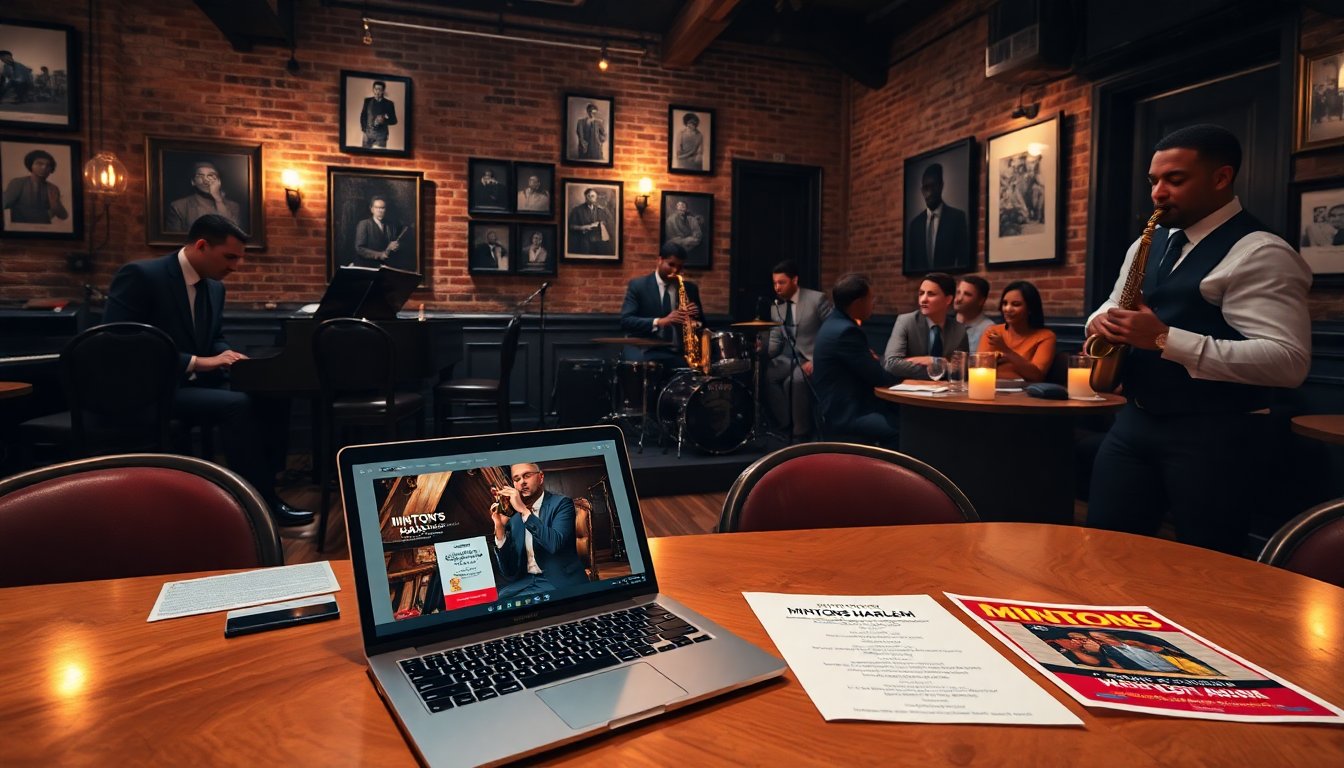
mintonsharlem. com presents a short guide to Minton’s Harlem. The site shows history, events, and visitor info. Readers learn what happened at Minton’s, how the club looks today, and how to plan a visit. The guide uses clear steps and practical tips. It keeps details simple and direct for quick reading.
Key Takeaways
- Mintonsharlem.com offers a clear and concise guide to Minton’s Harlem, covering its rich jazz history and cultural impact.
- The site highlights how Minton’s helped shape bebop and featured legendary musicians like Thelonious Monk and Charlie Parker.
- Visitors can use mintonsharlem.com to find current music schedules, ticket options, and practical tips for attending shows.
- The website provides detailed information on menu offerings, reservation procedures, and seating to ensure a smooth visit.
- Booking early for popular events through mintonsharlem.com is advised to secure the best seats and avoid sellouts.
- Mintonsharlem.com promotes accessibility by outlining seating choices and special accommodations for guests with mobility needs.
The Origins And Cultural Legacy Of Minton’s Harlem
Mintonsharlem. com traces Minton’s origins to the early 1930s in Harlem. The club opened as a late-night spot for musicians. Players met there after regular gigs. They tested new ideas and traded solos. Musicians changed jazz at Minton’s. Local audiences heard new rhythms and improvisation. The venue helped shape the bebop sound. Musicians learned to push tempo and harmony. The club also served as a social hub. It hosted jam sessions that mixed talent and ideas. Community members found work and creative space at Minton’s. Historians cite the club in accounts of jazz history. The building’s walls held gatherings that influenced national music trends. Today, mintonsharlem. com preserves photos, names, and timelines. The site lists performers and dates. Readers can see early posters and program notes. The archive proves the club’s cultural value. It shows how musicians changed style and practice in the city. The site explains how those changes reached wider audiences. It links the club’s innovations to later recordings and shows.
How Minton’s Shaped Jazz — Key Moments And Musicians
Mintonsharlem. com highlights key moments at the club. Special nights included experimental jam sessions and cutting contests. Musicians like Thelonious Monk, Charlie Parker, Dizzy Gillespie, and Kenny Clarke appeared there. They introduced new improvisation techniques on those nights. Charlie Parker refined his phrasing during late sets. Thelonious Monk tested chord voicings and hammer-ons at the piano. Drummers and bassists tried new rhythms that later became standard. Promoter and owner figures arranged sessions that kept the club lively. Those sessions produced early bebop recordings and bootlegs. The performances there influenced club bookings across New York. Club regulars then spread the style to clubs and studios. Music students now study those recordings and transcriptions. The site lists recordings that scholars reference. Visitors who read mintonsharlem. com get a clear timeline of those events.
What To Expect Today: Ambience, Music Schedule, And Practical Tips
Mintonsharlem. com outlines the modern venue and schedule. The restored club keeps a low, intimate feel. Interior lighting stays dim to focus attention on the band. Seating sits close to the stage. The room preserves brick walls and period details. The site posts a weekly music schedule with set times. It shows headliners, supporting acts, and jam session nights. Visitors should check the schedule before they go. Ticket options vary by night. Some shows sell out early. The venue enforces a dress code that stays casual but neat. The staff asks guests to silence phones and avoid flash photography. The club limits large bags for safety and space. The site lists public transit options and nearby parking. Visitors find directions and entry notes on mintonsharlem. com. The venue has a late-night policy. Shows often run into the early morning on weekend nights. The site updates the calendar when hours change. Visitors can sign up for alerts and newsletters there.
Food, Drinks, And Booking: Menu Highlights And Reservation Advice
Mintonsharlem. com shows the menu and drink list. The kitchen serves small plates and classics. Offerings include fried chicken, collard greens, and sandwiches. The bar serves crafted cocktails and a short wine list. The staff can make nonalcoholic options on request. Prices match mid-range club dining. The site posts current menus and seasonal specials. Visitors can view allergen notes and ingredient lists on the menu page. The venue accepts reservations for most shows. Some shows require advance tickets. The site explains ticket tiers and standing-room options. It lists accessible seating and service details. Online payment methods include card and major digital wallets. The site processes group reservations for parties and events. The venue offers limited private bookings on off nights. The team confirms requests by email. Visitors get a clear cancellation policy on mintonsharlem. com.
Reservation Tips And Seating Options For A Smooth Visit
Mintonsharlem. com gives concise booking steps. First, check the calendar for the desired date. Second, pick tickets or reserve a table online. Third, confirm the reservation by email. The site recommends early booking for headline nights. The venue uses assigned seating for table reservations. It holds a small number of walk-in seats at the bar. The club assigns closer seats to table reservations and later arrivals to the back. The site explains sightline differences by seat type. Guests who need clear views should request center tables. Guests with mobility needs should pick accessible seating during booking. The team offers a phone line for special arrangements. The site advises arriving 15 to 30 minutes before showtime. Early arrival lets staff seat the group and limit disruptions. The policy requires a modest deposit for large groups. The site posts deposit rules and refund windows. Following these steps reduces wait time and improves the overall visit.