Was jazz created in the Harlem Renaissance? The question appears often. The phrase asks about origin and era. The answer requires a short history. It requires noting where sounds came from and how Harlem changed those sounds. This piece answers clearly and cites key places, people, and recordings.
Key Takeaways
- Jazz was not created during the Harlem Renaissance but originated earlier in New Orleans from a mix of African rhythms, ragtime, and blues.
- The Harlem Renaissance played a crucial role in amplifying jazz’s reach by providing venues, audiences, and cultural significance to the music.
- Key Harlem venues like the Cotton Club and Apollo Theatre helped jazz achieve national fame and connect musicians with wider audiences.
- Harlem musicians and arrangers, including Duke Ellington and Fletcher Henderson, developed big-band styles that shaped modern jazz.
- The Harlem Renaissance transformed jazz from entertainment to a symbol of modern Black culture and artistic expression.
- While Harlem did not create jazz, it significantly reshaped the music’s identity and boosted its public recognition and influence.
Musical Roots Before Harlem: New Orleans, Ragtime, And The Blues
Was jazz created in the Harlem Renaissance appears as a common claim. Historians reject that claim. Jazz began earlier and in other places. New Orleans provided the first clear mix of African rhythms, European harmony, brass-band arrangements, and dance music. Musicians in New Orleans played ragtime syncopation and blues phrasing. These elements combined in social spaces such as dance halls, riverboats, and street parades.
Ragtime shaped early jazz. Scott Joplin and other piano players emphasized syncopation. Bands adopted that syncopation and added wind instruments. The blues added call-and-response patterns and bent notes. These notes gave jazz its expressive edge.
Migration spread the sound. Musicians left New Orleans for Chicago, St. Louis, and New York. They took their songs and techniques with them. Recordings in the 1910s and 1920s preserved those sounds. Early records by Original Dixieland Jazz Band and Louis Armstrong show that jazz existed before Harlem’s peak.
Terminology grew outside Harlem. People used the word jazz in different cities by the 1910s. Local styles varied. New Orleans jazz emphasized collective improvisation. Chicago styles emphasized solo work. Blues and ragtime fed both trends. So, the origin of jazz sits in a mix of places and practices. Harlem did not create the root forms. Harlem later reshaped and amplified them.
How The Harlem Renaissance Amplified Jazz’s Reach And Identity
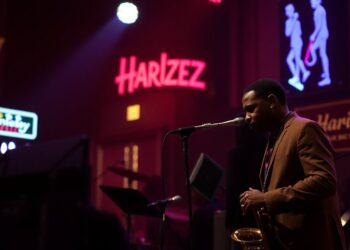
Did Harlem create a distinct jazz identity? Yes, Harlem gave the music new social meaning and wider audience. The neighborhood attracted Black writers, painters, and musicians. Nightclubs and dance halls became places for performance and critique. Harlem offered a stage where musicians could refine style and persona.
Harlem did not invent jazz. Harlem did change public perception. Critics, record producers, and white audiences encountered jazz in Harlem clubs. The Cotton Club and Savoy Ballroom drew national attention. Radio and print press then linked jazz to Harlem nightlife. This association increased record sales and touring opportunities for Black artists.
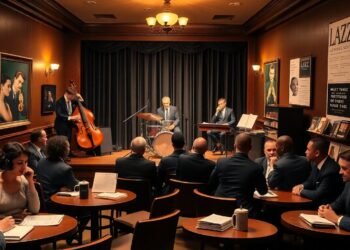
Harlem helped artists develop new forms. Musicians blended earlier New Orleans and Chicago practices with larger band arrangements. They added written arrangements and featured soloists. Big bands and orchestras grew in size and reach. Jazz began to carry social and artistic statements in Harlem salons and magazines.
Harlem also supported cross-disciplinary work. Poets and painters discussed music. Intellectuals wrote about jazz as an artistic force. This framing changed how the public viewed the music. Jazz moved from mere entertainment to a marker of modern Black culture. That shift increased respect for jazz and created lasting institutions.
Venues, Key Artists, Recordings, And Cultural Cross-Pollination
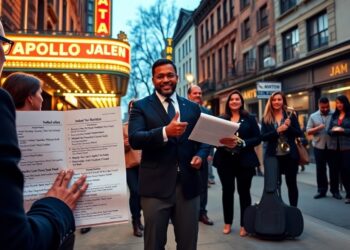
Harlem venues offered steady work and creative testing. The Apollo Theatre launched many careers. The Cotton Club showcased major acts to wide audiences. The Savoy Ballroom encouraged new dance styles and band competition. These venues helped jazz reach national fame.
Key artists defined the Harlem sound. Duke Ellington led a band that emphasized arrangement and timbre. Ellington wrote pieces that highlighted tone color and mood. Fletcher Henderson arranged big-band charts that influenced Count Basie and others. Louis Armstrong moved to New York and recorded with Harlem musicians. These artists connected earlier jazz practices to the bigger band idiom.
Recordings spread Harlem jazz. Labels recorded bands in the 1920s and 1930s. Those records circulated across the U.S. and abroad. Songs and solos from Harlem bands became standards. Radio broadcasts carried performances to listeners who could not visit the clubs.
Cultural cross-pollination mattered. Black writers praised jazz in essays and poems. White patrons and producers encountered jazz at Harlem venues. Classical musicians borrowed jazz rhythms. Dance instructors created moves that matched new syncopations. This mixing produced new ideas and new audiences.
In short, Harlem amplified jazz and gave the music public identity. But Harlem did not originate jazz. The true origin lies in earlier Southern Black musical practices, the ragtime and blues traditions, and the movement of musicians across cities. Harlem then lifted the music to national prominence and helped shape the modern sound.