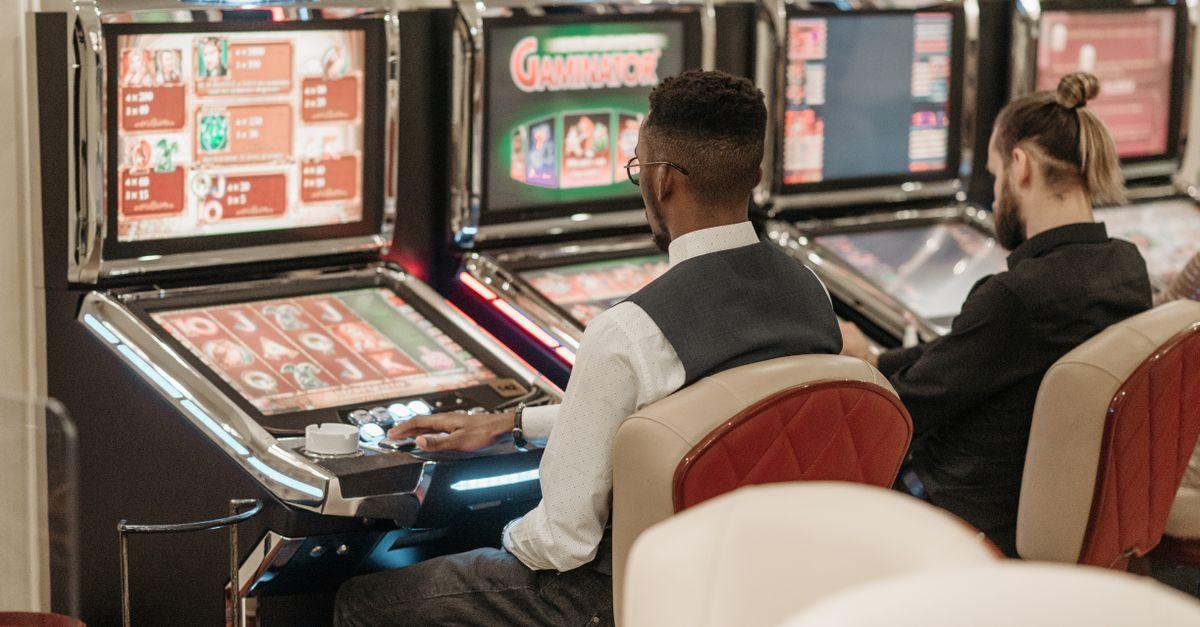
Have you ever opened a slot lobby and felt tired before choosing a game?
That feeling is becoming a key reason slot platforms are changing. Huge libraries used to look impressive, but too many choices can slow players down and make the first few minutes feel more like searching than playing.
The future of slots is moving toward fewer manual searches and more tailored suggestions. Instead of scrolling through rows of similar titles, players can expect lobbies that learn preferences, highlight fitting options, and make each session feel easier to start.
Why Slot Browsing Is Shrinking
Large menus are giving way to smarter paths into play.
Choice Overload Slows Decisions
A slot lobby with hundreds or thousands of titles can look exciting at first, but the practical result is often hesitation. Players compare themes, volatility, bonus styles, reel formats, and visual layouts before placing a single spin. Personalization reduces that friction by showing a smaller set of relevant choices based on real behavior.
Search terms such as slot dewa66 show how players already use short labels to find familiar slot styles, but future systems can reduce that manual hunt by learning what each player tends to pick.
Fast Starts Matter More Than Big Catalogs
Players often return for short sessions, so speed matters. A lobby that remembers preferred bet ranges, feature types, and pace can get someone into a suitable game faster. This does not remove choice; it organizes choice around what is most likely to fit the moment.
How Personal Profiles Shape Play
Personalization works best when it responds to clear patterns.
Behavior Creates Better Recommendations
A useful profile can include preferred themes, average session length, common bet sizes, and interest in features such as free spins, multipliers, expanding reels, or hold-and-spin rounds. The system does not need to guess from one click; it can learn from repeated actions across multiple sessions.
This makes recommendations more accurate over time. A player who often chooses calm visuals and low volatility should not see the same starting screen as someone who prefers fast bonus rounds and higher variance. Personal play turns the lobby from a static shelf into a responsive menu.
Context Adds Another Layer
The same player may want different games at different times. A short mobile session might call for simple mechanics and quick loading, while a longer session on a larger screen may suit deeper bonus structures. Future slot lobbies can use session context to adjust suggestions without forcing players to reset preferences manually.
What Personalization Means For Game Selection
Better recommendations can make slot choice feel clearer without making it narrower.
Relevance Beats Random Placement
Traditional lobbies often push new releases, popular titles, or broad categories. Those signals still have value, but they are not always personal. A relevant recommendation considers how a player actually behaves, then ranks titles that match those habits.
This approach helps players compare games on practical details. Volatility, hit frequency, bonus trigger style, maximum stake range, and session pace can all guide placement. A player who prefers frequent small wins may receive different suggestions from someone who enjoys rare but larger feature rounds.
Variety Still Has A Role
Personalized play should not trap players inside one narrow pattern. A strong system can include a few familiar picks and a few nearby options that share some traits while adding something new. That balance keeps the lobby useful without making it repetitive.
Why Data Transparency Will Matter
Personalized play works better when players understand the controls.
Players Need Clear Settings
Future slot platforms can give players more control over recommendation settings. A player might choose to prioritize low volatility games, exclude certain themes, filter by bonus type, or reset recommendations after a change in preference. Clear settings make personalization feel supportive rather than confusing.
A phrase like slot gacor hari ini reflects the old habit of searching for the right game through outside clues, while personalized lobbies can make selection more direct by showing why specific options appear.
Privacy Builds Trust
Players should know what data affects recommendations. Useful personalization can rely on gameplay preferences and session behavior without needing unnecessary personal details. Clear privacy controls, readable explanations, and opt-out choices help players stay comfortable with tailored suggestions.
Transparency also reduces frustration. If a player sees only one type of game too often, they should be able to adjust the system instead of abandoning the lobby. Personalization should feel like a helpful filter, not a fixed rule.
The Future Lobby Will Feel More Like A Smart Starting Point
The next step is a lobby that adapts before the player starts scrolling.
Smarter Layouts Will Guide Each Session
Future slot lobbies may open with a focused set of choices: recently enjoyed games, close matches, fresh titles with similar mechanics, and quick filters based on session mood. The goal is not to hide the full catalog, but to place the most relevant options near the front.
Personalized play can also improve responsible play tools. If session length, stake changes, or rapid switching patterns shift sharply, the interface can present clearer reminders, cooling options, or budget settings. Helpful guidance can sit inside the same system that makes selection easier.
Less Browsing Means More Intentional Play
The future of slots is not about removing variety. It is about reducing wasted time between intent and play. A smarter lobby can respect personal taste, keep choice open, explain recommendations, and give players better control over each session.
As personalization improves, the best slot experience will feel less like searching through a crowded catalog and more like opening a menu that already understands what fits.