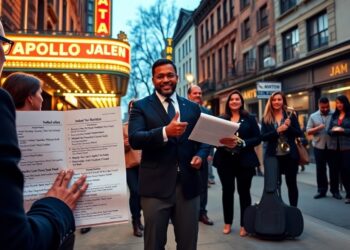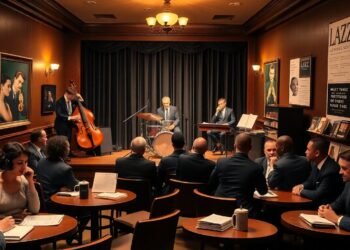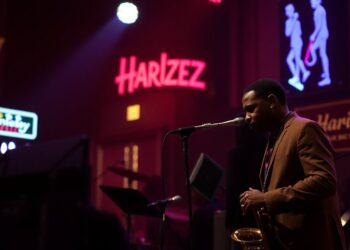
Jazz music during the Harlem Renaissance arrived as a public language. It mixed African rhythms, blues forms, and brass band energy. Musicians moved to Harlem and played in crowded clubs. Audiences listened, danced, and debated. The music changed social life in the neighborhood. It also shaped national taste and Black identity. This article explains key origins, venues, artists, styles, and social effects of jazz music during the Harlem Renaissance.
Key Takeaways
- Jazz music during the Harlem Renaissance blended African rhythms, blues, and brass band energy to create a unique cultural expression that shaped Black identity.
- Harlem’s clubs, such as the Cotton Club and Savoy Ballroom, provided vital venues that propelled jazz into the national spotlight and fostered innovation and community.
- Major artists like Louis Armstrong revolutionized jazz with improvisation and soloing, helping to popularize the genre beyond Black audiences.
- Musical innovations during this era included swing rhythms, call-and-response patterns, and complex arrangements, which influenced 20th-century American music styles.
- Jazz’s social impact extended beyond entertainment by promoting racial pride, offering economic opportunities, and influencing civil rights attitudes despite ongoing segregation challenges.
Origins And Historical Context Of Jazz In Harlem
Jazz music during the Harlem Renaissance began from earlier Black musical practices. Musicians migrated from New Orleans, Chicago, and rural areas. They brought blues, ragtime, and marching-band techniques. Harlem offered jobs, audiences, and recording opportunities. World War I and the Great Migration increased Black urban populations. New technologies like records and radio spread the sound beyond Harlem. The cultural climate in Harlem encouraged artistic exchange. Poets, painters, and writers attended shows and used jazz rhythms in their work. The music grew as both art and entertainment in this setting.
Key Venues, Clubs, And The Nightlife Ecosystem
Clubs gave jazz music during the Harlem Renaissance a public stage. The Cotton Club, Savoy Ballroom, and Small’s Paradise drew diverse crowds. The Cotton Club staged large revues and broadcast performances, which increased national exposure. The Savoy allowed mixed dancing and fostered new dance styles. House bands kept a steady roster of players and developed tight ensemble work. Promoters, club owners, and DJs connected musicians to paying jobs. Late-night jam sessions in basements and apartments kept innovation alive. This club system created job stability and a pipeline for talent to gain fame.
Major Musicians And Bands Who Shaped The Sound
Fans credit several leaders for defining jazz music during the Harlem Renaissance. Bands and soloists refined improvisation and showmanship. Big bands expanded arrangements and worker roles within ensembles. Small groups pushed solo risk and rhythmic looseness. These musicians taught others and set standards for performance and recording quality. Managers and record producers often promoted certain acts, which shaped popular taste. The music scene rewarded both technical skill and personal charisma. As a result, a few figures rose to national prominence and influenced later generations.
Louis Armstrong: Improvisation, Soloing, And Popular Breakthroughs
Louis Armstrong changed jazz music during the Harlem Renaissance with his solos. He emphasized single-note improvisation and clear tone. Audiences heard him in recordings and live shows. He pushed rhythmic timing forward and encouraged other musicians to solo more. Armstrong also recorded with small groups that balanced ensemble and individual display. His charisma made him a popular draw outside strictly Black audiences. Armstrong’s style shaped soloing in decades that followed and helped make jazz a mainstream American form.
Musical Innovations And Distinctive Styles Of The Era
Musicians advanced jazz music during the Harlem Renaissance through rhythm, harmony, and form. Swing rhythm became central and encouraged larger dance bands. Call-and-response patterns came from blues and gospel roots. Musicians experimented with extended chords and new voicings. Soloists expanded phrasing and used space as a rhythmic device. Arrangements used sections, brass, reeds, rhythm, to create contrast and momentum. Vocalists mixed blues feeling with popular song phrasing. These innovations created new listening habits and set patterns for 20th-century American music.
Social, Cultural, And Political Impact Of Jazz During The Renaissance
Jazz music during the Harlem Renaissance affected social life and politics. The music gave Black artists public visibility and economic opportunities. It created shared experiences across class lines inside Harlem and across the nation through records and radio. Critics and politicians debated jazz’s cultural role, which led composers and writers to defend its artistic value. Jazz also shaped Black identity and pride by showing creative achievement. At the same time, segregation and unequal pay limited access for many musicians. Even though those barriers, jazz influenced later civil rights attitudes and cultural change.