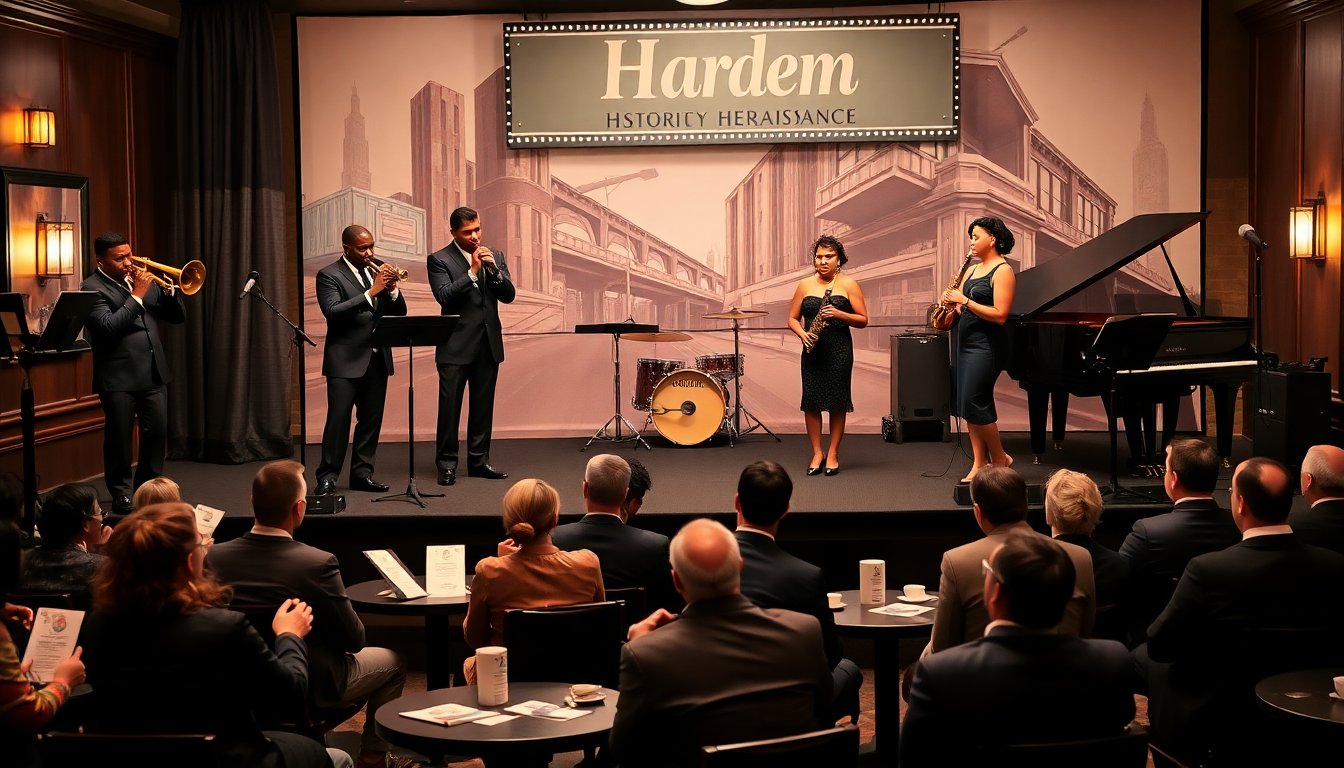
Jazz in the Harlem Renaissance shaped art, society, and daily life in the 1920s and 1930s. It gave musicians and audiences new forms for expression. It connected African American traditions with urban culture. It moved across clubs, theaters, and radio. It altered how city life sounded and how people saw Black creativity.
Key Takeaways
- Jazz in the Harlem Renaissance blended African American musical roots with urban culture, creating a new and influential art form in the 1920s and 1930s.
- Harlem’s vibrant clubs, theaters, and radio broadcasts provided essential platforms that helped jazz musicians gain visibility and connect with wider audiences.
- Musical innovations such as improvisation, syncopation, and solo performances defined jazz and captivated audiences with live, spontaneous artistry.
- The fusion of blues, ragtime, and traditional African American music grounded jazz in cultural continuity while pushing its modern development.
- Key figures like Duke Ellington, Louis Armstrong, and Billie Holiday elevated jazz’s status and nurtured Harlem as a hub for creative and musical growth.
Cultural Context And Origins Of Jazz In Harlem
Harlem drew Black migrants, artists, and entrepreneurs after World War I. Jazz in the Harlem Renaissance grew from these gatherings. Musicians brought traditions from the South and mixed them with city energy. Local clubs and rent parties provided stages and income. Newspapers and magazines covered performances and gave artists visibility. Harlem writers, painters, and actors absorbed the sound of jazz. They used it in plays, poems, and visual art. City patrons and tourists then carried jazz beyond Harlem. That spread changed national taste and boosted recording sales.
Musical Innovations And Styles That Defined The Era
Musicians in Harlem stretched form and rhythm. They tested new approaches to harmony and phrasing. Bands mixed small-group intimacy with larger dance arrangements. This period set the stage for swing and modern jazz. Recording technology captured these shifts and widened reach. Radio broadcasts sent live shows to remote listeners. Sheet music publishers added jazz tunes to catalogs. Educators and critics then debated jazz as art. The debates helped jazz gain respect in mainstream culture.
Improvisation, Syncopation, And Solo Performance
Musicians emphasized improvisation as a main feature. Soloists used improvisation to show personality. Drummers and pianists used syncopation to shift pulse and drive dance. Horn players played long, emotive solos that drew crowds. Solo breaks became crowd-pleasing moments at shows. Musicians traded riffs and built spontaneous dialogues on stage. That exchange created a sense of live risk and reward. It also trained listeners to expect surprise in each performance.
Blues, Ragtime, And African American Musical Roots
Jazz in Harlem drew directly from blues and ragtime. Blues provided chord patterns and lyrical themes. Ragtime contributed syncopated left-hand patterns and form. Work songs, spirituals, and field hollers added call-and-response and phrasing. Musicians adapted these elements into urban contexts. They wrote new songs that referenced older forms. Audiences heard familiar patterns in new settings. That continuity made jazz both modern and grounded in tradition.
Arrangements, Small Ensembles, And The Move Toward Swing
Arrangers in Harlem refined ensemble roles and voicings. Small groups allowed closer communication and tighter arrangements. Bands experimented with rhythm sections and horn voicings. These experiments led to steadier dance tempos and swing feel. Leaders then wrote charts that balanced solo space and group unity. Dance halls demanded steady grooves and clear arrangements. That demand pushed bands to emphasize pulse and phrasing that dancers could follow.
Key Figures, Venues, And Community Impact
Harlem supported musicians with clubs, managers, and patrons. The neighborhood hosted theaters, ballrooms, and after-hours spots. That network gave musicians steady work and visibility. Radio hosts and record labels then amplified successful artists. Critics and fans debated merit and style. Local churches and colleges sometimes offered performance space and study. The economic impact supported hotels, taxis, and restaurants. The community invested in youth programs and bands. That investment shaped future generations of musicians.
Iconic Musicians, Bandleaders, And Composers
Duke Ellington led a house band that blended sophistication and swing. Louis Armstrong popularized virtuosic solos and vocal phrasing. Fletcher Henderson arranged big-band charts that guided later leaders. Bessie Smith brought blues power to larger audiences. Billie Holiday added intimate phrasing and emotional depth. These artists recorded, toured, and influenced peers. Club owners and promoters then used their names to sell shows. Young players studied their records and copied solos. The presence of these figures made Harlem a center for artistic growth.