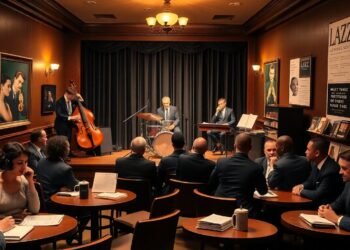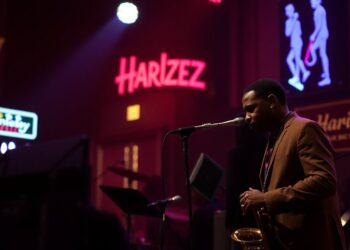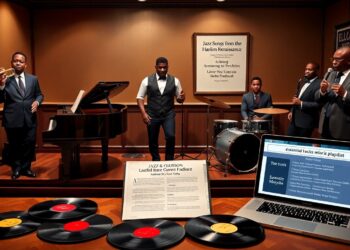

jazz during the harlem renaissance emerged as a public voice for Black artists and communities. It mixed blues, ragtime, and New Orleans brass. Musicians created new rhythms and songs. Audiences in Harlem and beyond heard a new American sound. This article explains how the music reflected social change and changed national culture.
Key Takeaways
- Jazz during the Harlem Renaissance blended blues, ragtime, and New Orleans brass to create a unique American sound.
- Harlem’s growth and the Great Migration established it as a vibrant center for Black culture, business, and social life.
- Jazz musicians in Harlem benefited from clubs like the Cotton Club that offered opportunities to innovate and perform.
- Local audiences influenced jazz’s evolution, while radio and records helped spread the music nationally.
- Jazz became a powerful voice reflecting social change and Black pride during the Harlem Renaissance.
Cultural And Historical Context Of Harlem In The Early 20th Century
Harlem grew quickly after World War I. Black families moved north for jobs and safety. The Great Migration shifted population from rural South to northern cities. Harlem became a center for Black business, art, and social life. Landlords rented rooms, clubs opened, and churches served as community hubs. Newspapers and magazines reported on Black writers, artists, and leaders.
Leaders and writers promoted Black pride. They argued for political rights and artistic freedom. Harlem hosted gatherings where artists exchanged ideas. Funders and patrons supported theater and exhibitions. Clubs like the Cotton Club and small speakeasies offered steady work for musicians. The clubs gave musicians time to experiment with form and style.
Local schools and social clubs trained performers. Churches kept musical traditions alive. The neighborhood created a feedback loop. Musicians played for local crowds. Local crowds shaped the music. Radio and records then carried that sound beyond the neighborhood. As a result, jazz during the Harlem Renaissance moved from local scenes to national charts and stages.