harlem renaissance jazz rose in New York in the 1920s. It blended blues, ragtime, and African rhythms. Musicians pushed rhythm and melody. Audiences heard new syncopation and improvisation. Critics debated value and meaning. The movement linked art, politics, and city life. It gave Black artists platforms and visibility. It changed musical practice in clubs, theaters, and on records. It shaped later jazz, popular music, and American culture.
Key Takeaways
- Harlem Renaissance jazz emerged in 1920s New York, blending blues, ragtime, and African rhythms to innovate rhythm and melody.
- This jazz movement gave Black artists crucial visibility and transformed musical practice in clubs, theaters, and recordings.
- Musical innovations like syncopation, improvisation, and expanded ensembles redefined sound and audience expectations in Harlem Renaissance jazz.
- Iconic figures such as Duke Ellington and Louis Armstrong shaped the era by featuring soloists and setting professional standards.
- Venues like the Cotton Club and Savoy Ballroom played a vital role in elevating Harlem Renaissance jazz, providing stable employment and social spaces.
- Harlem Renaissance jazz reshaped American culture by influencing later jazz, popular music, and changing public conversations about Black creativity.
What Was The Harlem Renaissance And Why Jazz Mattered
The Harlem Renaissance started as a cultural surge in the 1920s. Black writers, painters, and musicians gathered in Harlem. Jazz became a public voice. It reflected daily life and political hope. Patrons from many classes attended shows. Clubs, salons, and newspapers spread the music. Recordings carried the sound beyond New York. The movement amplified Black creativity and economic opportunity. It also changed how white audiences heard Black music. The phrase harlem renaissance jazz described both artistic innovation and social impact. The music mattered because it altered taste, commerce, and public conversation.
Musical Innovations: Syncopation, Improvisation, And New Ensembles
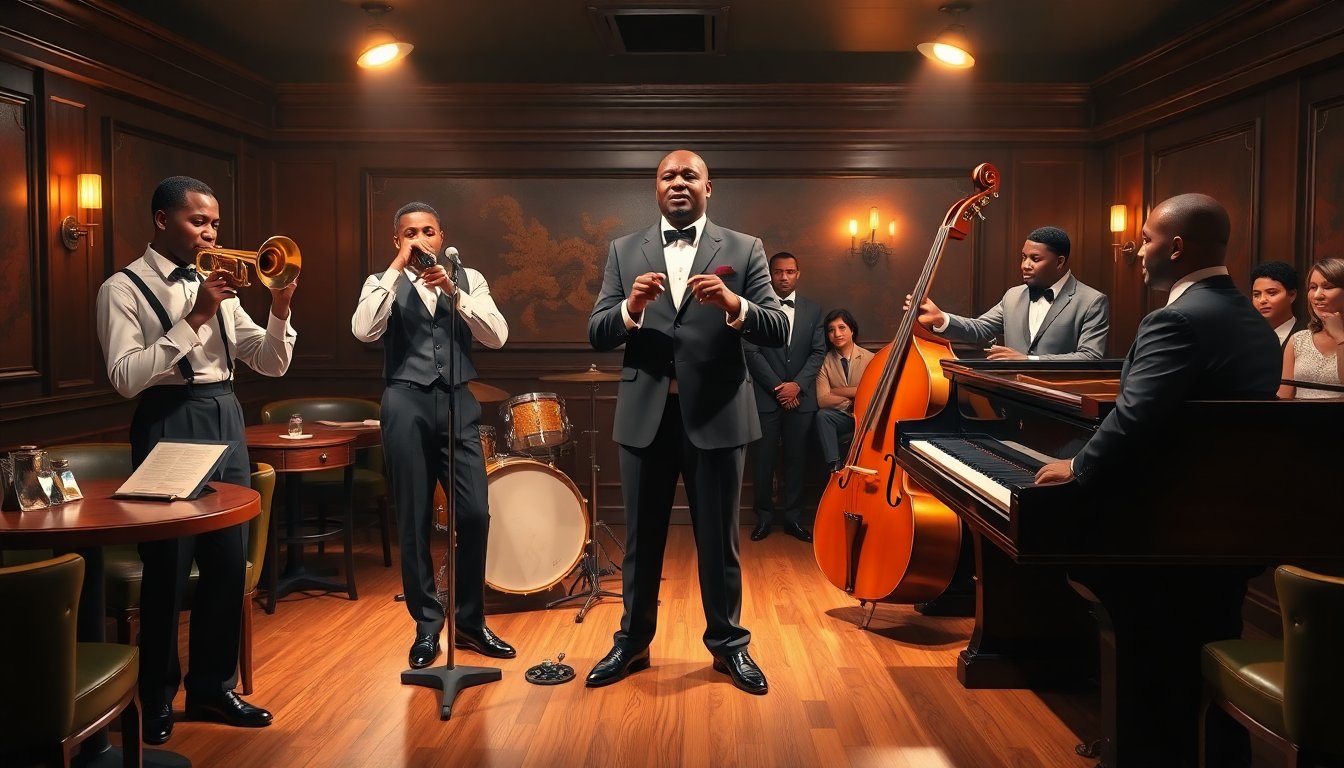
Musicians experimented with rhythm and phrasing. They used syncopation to shift accents off the beat. Bands expanded from small combos to larger ensembles. Arrangers wrote call-and-response sections and sectional breaks. The piano and brass took new roles in texture. Singers adopted conversational timing and blues inflection. These shifts changed how composers scored and how audiences listened. Recordings captured layered rhythms and solo breaks. The label harlem renaissance jazz came to mean structural change in American music. Producers and club owners promoted these sounds on stage and on records. The scene created market demand for new recordings.
How Improvisation Reshaped Performance And Composition
Soloists improvised melodic ideas within a harmonic framework. They played spontaneous lines that responded to the band. Composers then left space in arrangements for solos. Bands structured songs to feature individual expression. Listeners expected surprise and variation at each show. Improvisation made each performance unique. It also taught musicians to listen and adapt. Teachers and bandleaders emphasized ear training and form. Radio and record sessions documented creative choices and spread them. The practice shifted authorship. Musicians received credit for signature solos and motifs in harlem renaissance jazz recordings.
Iconic Artists, Bandleaders, And The Musicians Who Defined The Era
Artists like Duke Ellington, Louis Armstrong, and Bessie Smith led musical change. Bandleaders organized tight sections and featured soloists. Composers wrote pieces that matched their players’ strengths. Sidemen became stars through solos and hot choruses. Managers booked extended residencies that built followings. Critics learned to name individual players and to track stylistic shifts. Photographs and press profiles raised public profiles. The tag harlem renaissance jazz followed names and records. These artists trained the next generation of players. They also set standards for touring, recording, and professional conduct in jazz life.
Venues, Nightlife, And The Social Scene That Elevated Jazz
Clubs like the Cotton Club and the Savoy Ballroom anchored the scene. They offered steady pay and large audiences. Promoters scheduled multiple acts each night. Patrons found social space and entertainment in the rooms. The venues shaped performance style through acoustics and layout. Residency contracts encouraged ensemble tightness and long sets. Tour circuits linked Harlem with Chicago and Kansas City. Dance halls and theaters amplified the music’s reach. The label harlem renaissance jazz followed venue reputations and club recordings. These places also created jobs and networks for Black musicians and staff.