The Harlem Renaissance produced new music and new voices. The phrase harlem renaissance jazz composer 1920 describes artists who wrote jazz in Harlem in the 1920s. Scholars study their scores, recordings, and lives. Listeners hear their influence in modern jazz. This article profiles key figures, explains their musical moves, and shows how their work shaped culture in that decade.
Key Takeaways
- The phrase harlem renaissance jazz composer 1920 identifies pioneering artists who transformed jazz through innovative compositions in Harlem during the 1920s.
- Harlem’s vibrant music venues, recording opportunities, and community support fueled rapid growth of the jazz composer movement in the decade.
- Key composers like James P. Johnson, Duke Ellington, and Fletcher Henderson shaped jazz by blending blues, ragtime, and classical elements into new forms and arrangements.
- Musical innovations such as syncopation, call-and-response, and framed improvisations defined the era and set standards still followed in jazz today.
- The work of these composers had significant social impact by providing income and pride within Black communities, influencing culture beyond music.
- Their legacy continues through jazz education, modern recordings, and ongoing influence on ensemble and solo jazz performance.
How Jazz Blossomed In Harlem In The Early 1920s
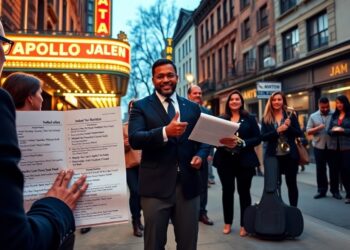
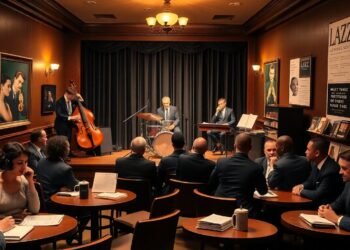
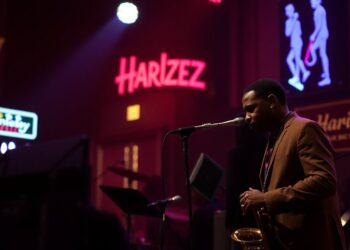
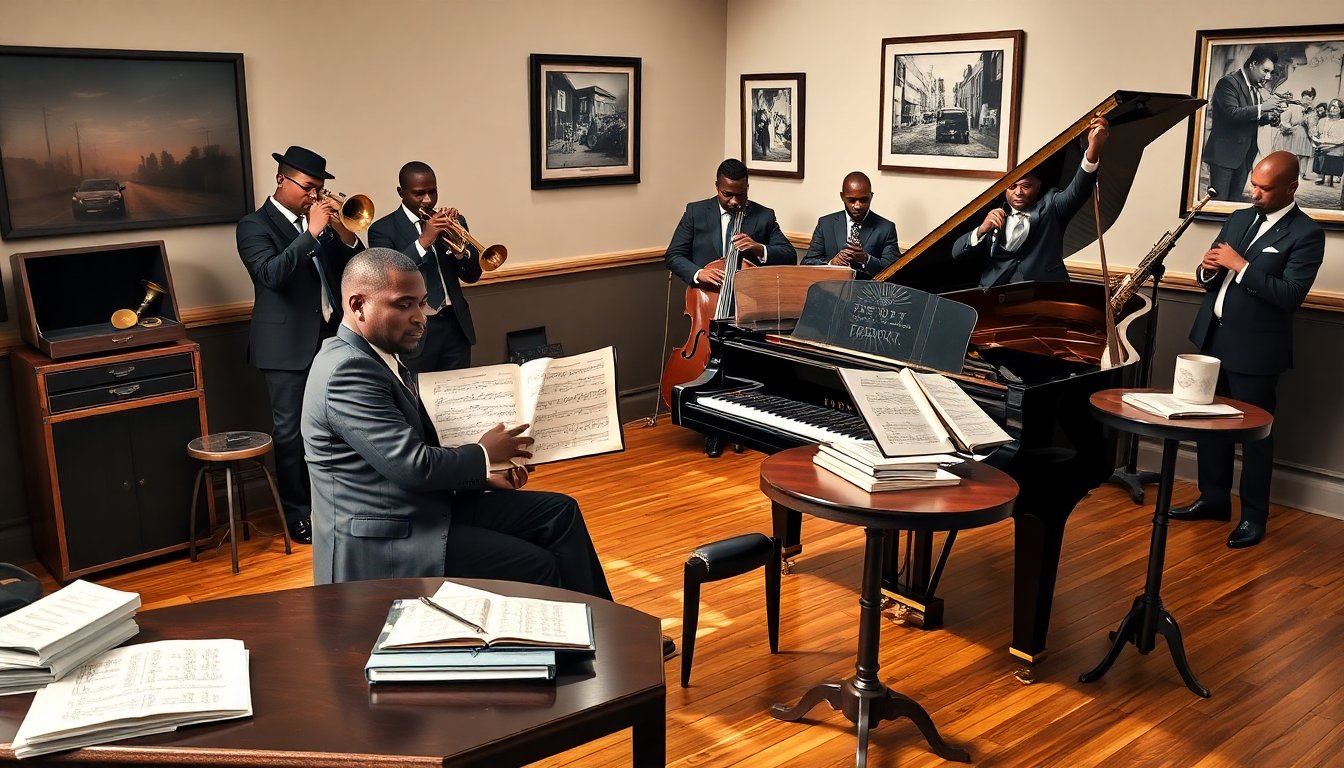
Harlem hosted musicians, clubs, and new audiences in the early 1920s. The phrase harlem renaissance jazz composer 1920 names composers who arrived with sheet music and ideas. Bands gathered in rent parties and small clubs. Club owners hired pianists, horn players, and arrangers. Composers wrote tunes for dancing and for listening. They adapted blues forms and ragtime rhythm into small-group jazz. They also borrowed from classical harmony and popular song. Recording companies heard the bands and sent agents to Harlem. Recordings spread songs from Harlem to the wider public. Sheet music publishers printed arrangements and piano parts. Musicians taught each other in jam sessions and rehearsals. The community supported composers with performance fees and patronage. Black newspapers and magazines reviewed performances and published interviews. Schools and informal teachers trained young players. This mix of venues, commerce, and learning helped the harlem renaissance jazz composer 1920 movement grow quickly.
Profiles Of Pioneering Harlem Renaissance Jazz Composers And Their Signature Works
James P. Johnson wrote stride piano pieces and songs that bands used. He wrote “The Charleston” and other hits. Johnson influenced many younger players and composers. Duke Ellington led a band and wrote extended pieces for his orchestra. He wrote “East St. Louis Toodle-Oo” and “Black and Tan Fantasy.” Ellington arranged parts with clear voicing and specific colors. Fletcher Henderson arranged for big bands and wrote charts that other bandleaders used. He shaped big-band swing and helped define orchestral jazz. W.C. Handy published blues and encouraged composers to use blue notes in song form. He wrote pieces that many Harlem musicians adapted. Eubie Blake wrote ragtime tunes and theater songs that influenced Harlem composers. He collaborated with lyricists and staged works in New York. Luckey Roberts combined ragtime and popular song and taught pianists who later composed. Noble Sissle and collaborators wrote songs for revue shows and for dance halls. Each composer wrote themes, introductions, and breaks that players could vary. These composers published tunes and arranged parts for recording sessions. They composed for clubs, theaters, and records. Critics then and now call them central to the harlem renaissance jazz composer 1920 story. Their songs entered repertoires and influenced radio and later film music.
Musical Innovations, Social Impact, And Long‑Lasting Legacy Of 1920s Harlem Composers
Composers from Harlem changed jazz form and orchestration in the 1920s. They set rhythms that dancers followed. They used syncopation and swung the beat in new ways. They built arrangements with call-and-response between sections. They wrote introductions and codas that framed improvisation. They wrote written parts that still allowed solo space. These choices helped bands communicate on stage and on record. Composers also shaped social life. Their songs gave musicians income and created work for Black arrangers and singers. Clubs supported local economies and promoted Black creativity. Composers wrote pieces that expressed pride, humor, and sorrow. Audiences heard stories in melody and rhythm. The phrase harlem renaissance jazz composer 1920 captures both musical craft and social meaning. Later teachers and scholars studied their scores and transcriptions. Modern composers transcribed their voicings and reharmonized their themes. Jazz education programs teach their tunes and techniques. Performers record new versions and bring the works to new listeners. The harlem renaissance jazz composer 1920 influence appears in big-band charts, small-group combos, and solo piano repertoires today. Their innovations set standards for arranging, soloing, and ensemble balance. Musicians cite them as models for composition and band leadership.