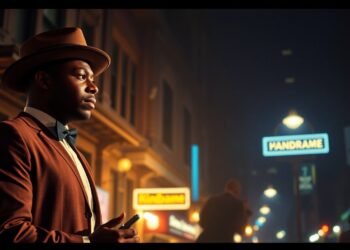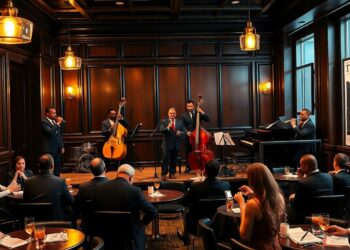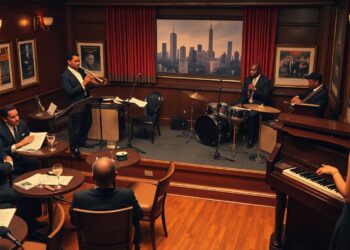
Jazz and the Harlem Renaissance began as musical practice and social response. Harlem musicians mixed African rhythms, blues, and ragtime. The Great Migration brought players and listeners to Harlem. Nightclubs and newspapers amplified the sound and its ideas. The movement changed art, politics, and American life.
Key Takeaways
- Jazz and the Harlem Renaissance emerged from a blend of African rhythms, blues, and ragtime influenced by the Great Migration and Harlem’s vibrant social conditions.
- Harlem’s jazz scene thrived in nightclubs and ballrooms like the Cotton Club and Savoy, which became key venues for performance, social mixing, and talent development.
- Innovators in Harlem expanded jazz from dance halls to concert stages, elevating its cultural status and spreading the sound through radio and recordings.
- Jazz intertwined with other arts and politics during the Harlem Renaissance, inspiring writers, painters, and civil rights leaders, thus amplifying its social impact.
- The enduring legacy of jazz from the Harlem Renaissance includes its role in American culture, education, civil rights activism, and ongoing preservation in museums and media.
How Jazz Emerged In Harlem: Roots, Migration, And Social Conditions
Jazz and the Harlem Renaissance grew from Southern musical forms and urban conditions. Musicians moved north during the Great Migration. They brought blues, spirituals, and marching-band practice. Black neighborhoods in Harlem became dense with talent and audiences. Economic shifts created crowded housing and informal performance spaces. Local newspapers and social clubs promoted concerts and dances. White patrons and Black patrons both attended shows, which changed social relations. City policy and segregation shaped where bands played and who they served. The music responded to daily life and to new civic hopes.
Support authors and subscribe to content
This is premium stuff. Subscribe to read the entire article.