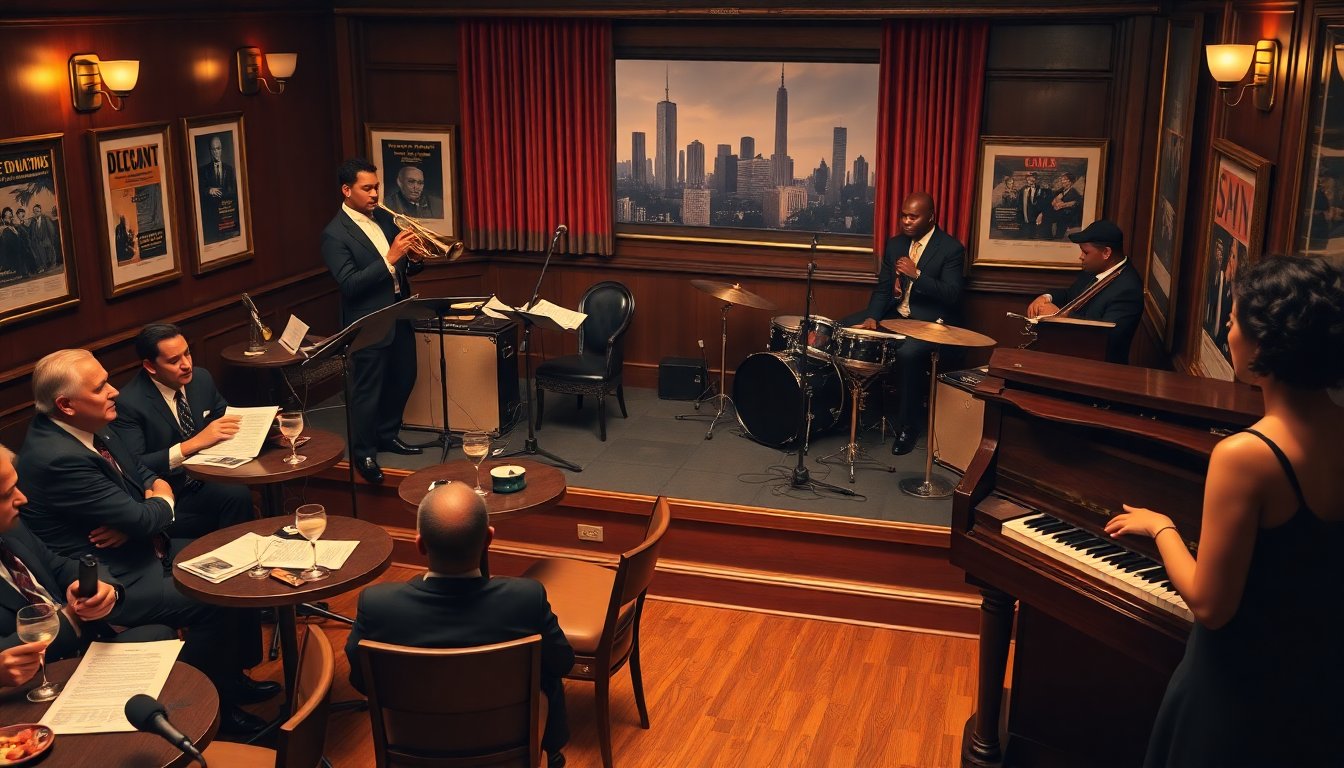
The jazz of the Harlem Renaissance rose in the 1920s and 1930s. Musicians mixed blues, ragtime, and improvisation. The scene drew artists, writers, and business owners to Harlem. The music gave Black New Yorkers a public voice. It changed American culture and helped shape politics, nightlife, and art across the nation.
Key Takeaways
- The jazz of the Harlem Renaissance combined blues, ragtime, and improvisation to create a distinctive sound that transformed American culture and politics.
- Harlem became the epicenter for jazz due to migration, local support, and media exposure, offering musicians venues, audiences, and career opportunities.
- Musical innovations during the Harlem Renaissance emphasized solo improvisation, syncopation, and a blend of hot, sweet, and blues styles that influenced future jazz forms.
- Key musicians and bands expanded instrumentation and touring helped bring the jazz of the Harlem Renaissance to national audiences, establishing lasting legacies.
- Clubs and dance halls in Harlem served as important social and cultural hubs where music influenced fashion, language, and social roles.
- The jazz of the Harlem Renaissance deeply impacted literature, visual arts, activism, and education, leaving a lasting imprint on American public life and music worldwide.
Why Jazz Found Its Home In Harlem
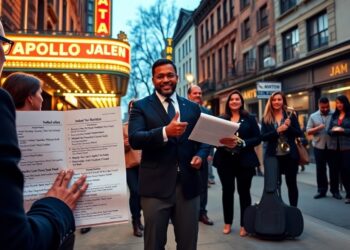
Harlem offered space, audiences, and migration. Black residents moved from the South and brought musical traditions. Entrepreneurs opened clubs and booking agents promoted bands. Newspapers and radio gave the jazz of the Harlem Renaissance wider reach. The neighborhood hosted rehearsals, jam sessions, and informal performances. Young musicians found teachers, peers, and paying work. City life and cultural pride made Harlem a center for new music and public culture.
Musical Innovations, Styles, And Signature Sounds
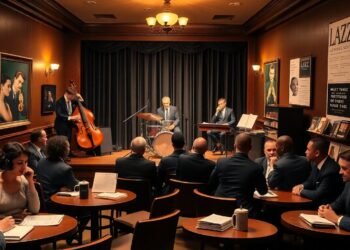
Musicians emphasized syncopation, call-and-response, and solo improvisation. Bands shifted from collective rhythm to featured soloists. Pianists and horn players developed new voicings and phrasing. The jazz of the Harlem Renaissance mixed hot, sweet, and blues styles in one set. Arrangements used tighter sections and space for improvisation. Rhythms borrowed from West African patterns and Southern blues. This sound moved dancers and listeners and set standards for later jazz forms.
Key Musicians And Bands Who Defined The Era
Leaders organized bands, wrote arrangements, and trained players. They expanded the technical range of instruments and refined ensemble sound. Touring bands brought Harlem music to other cities and to records. Managers and club owners helped shape sets and lineups. The jazz of the Harlem Renaissance reached national audiences through touring and recording. Young players learned from older pros and then led new groups. The era created a stable of artists who influenced jazz for decades.
Clubs, Dance Halls, And Social Life
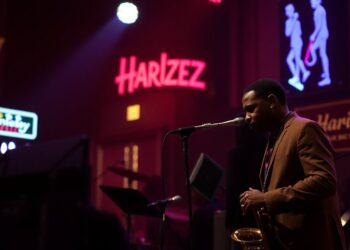
Clubs offered steady work and social contact. Dancers and listeners paid for entry and food. Promoters scheduled multiple sets and changeovers. The jazz of the Harlem Renaissance fit social rituals like rent parties and benefit shows. Musicians played for both dance and listening. The venues served as meeting places for writers, painters, and activists. The music shaped dress, language, and social roles within Harlem and beyond.
Cultural Impact: Literature, Art, Politics, And Legacy
Writers and poets quoted rhythms and set scenes in clubs. Painters showed musicians and nightlife in public exhibitions. Activists used public concerts to raise funds and attention. The jazz of the Harlem Renaissance shaped language, fashion, and theater. Schools and conservatories later taught its techniques. Recordings preserved performances and spread the style worldwide. Musicians in later decades borrowed phrasing, repertoire, and band formats. The era left a clear influence on American music and public life.