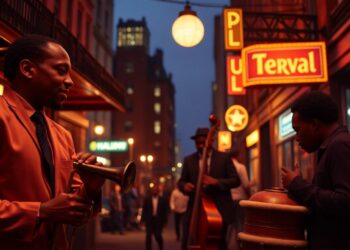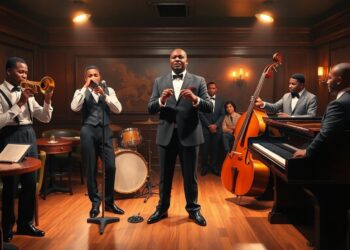
Harlem renaissance jazz songs shaped a cultural shift in the 1920s and 1930s. Historians link those songs to social change, artistic pride, and new musical forms. The songs drew diverse audiences and changed American music. This article lists key songs and explains their musical traits, social roles, and lasting influence.
Key Takeaways
- Harlem renaissance jazz songs were pivotal in giving Black artists a powerful voice and reshaping American music culture.
- These jazz songs featured innovative musical traits like syncopation, improvisation, and expanded horn sections for a modern sound.
- Iconic Harlem renaissance jazz songs transcended social barriers, becoming symbols of Black pride and cultural unity.
- The spread of Harlem renaissance jazz songs through records, radio, and tours helped embed jazz into mainstream American culture.
- Musicians and arrangers used these songs to create new career opportunities and influence later music styles.
How Jazz Shaped The Harlem Renaissance Scene
Harlem renaissance jazz songs gave voice to Black artists and communities. Musicians mixed blues, ragtime, and improvisation to form new sounds. Club owners booked bands that changed night life and social life. Critics and patrons wrote about jazz in newspapers and magazines. Poets and painters responded to jazz in their work. Political leaders heard jazz at rallies and events. The music created new jobs for composers, arrangers, and performers.
Support authors and subscribe to content
This is premium stuff. Subscribe to read the entire article.