
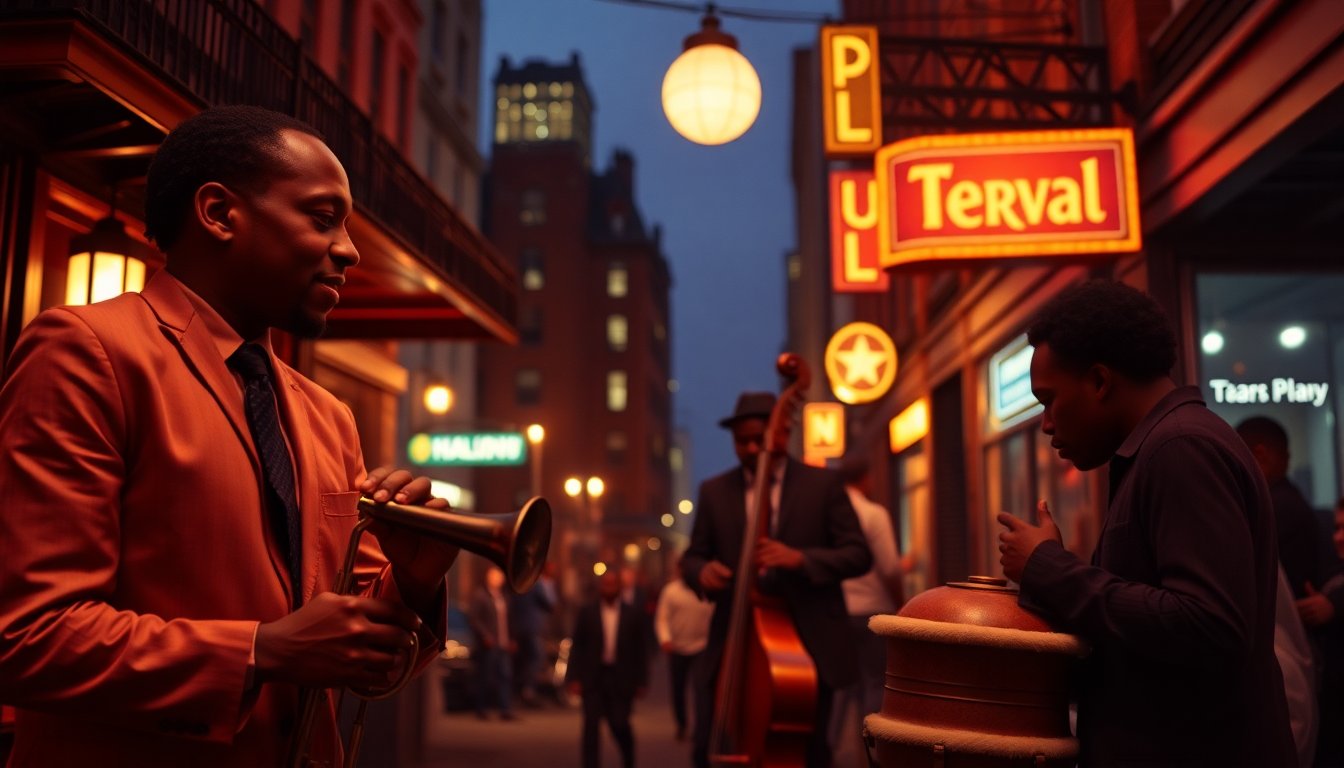
Jazz music from the Harlem Renaissance rose in the 1920s and shaped American music. Historians study how jazz music from the Harlem Renaissance mixed African rhythms, blues, and popular song. Scholars note that jazz music from the Harlem Renaissance gave new roles to improvisation and dance. Communities in Harlem supported clubs, bands, and recordings. Musicians used jazz music from the Harlem Renaissance to gain national attention and cultural influence.
Key Takeaways
- Jazz music from the Harlem Renaissance blended African rhythms, blues, and popular songs to create lively and emotionally direct sounds that reshaped American music.
- Improvisation and ensemble interplay became central to jazz during the Harlem Renaissance, making performances more dynamic and danceable.
- The Great Migration concentrated talented Black musicians in Harlem, fostering clubs and venues that supported the growth and visibility of jazz music from the Harlem Renaissance.
- Legendary bandleaders like Duke Ellington and Louis Armstrong innovated jazz with sophisticated arrangements and unique solo styles that influenced national and international audiences.
- Harlem’s clubs, recordings, radio broadcasts, and touring acts helped spread jazz music from the Harlem Renaissance across the United States, solidifying its role as a defining American sound.
The Sound And Styles That Defined Harlem Jazz
Harlem musicians created sound and styles that stood out. They mixed syncopated rhythm, call-and-response, and blues scales. They favored upbeat swing and slower blues ballads. Bands emphasized improvisation and ensemble interplay. Jazz music from the Harlem Renaissance used brass, reeds, piano, bass, and drums. Musicians used cornet, trumpet, trombone, clarinet, saxophone, piano, banjo, and tuba in clubs and theaters. The texture shifted as players traded solos and supported soloists. The result made jazz music from the Harlem Renaissance lively, danceable, and emotionally direct.
Support authors and subscribe to content
This is premium stuff. Subscribe to read the entire article.