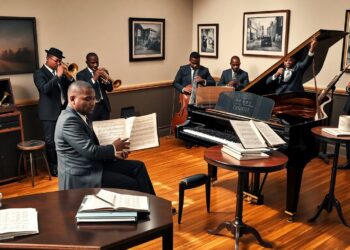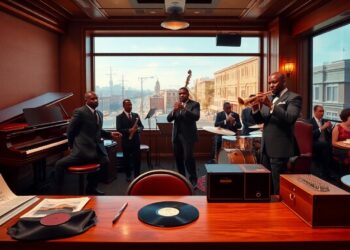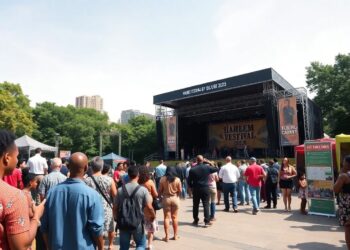
Jazz in the Harlem Renaissance shaped art, society, and daily life in the 1920s and 1930s. It gave musicians and audiences new forms for expression. It connected African American traditions with urban culture. It moved across clubs, theaters, and radio. It altered how city life sounded and how people saw Black creativity.
Key Takeaways
- Jazz in the Harlem Renaissance blended African American musical roots with urban culture, creating a new and influential art form in the 1920s and 1930s.
- Harlem’s vibrant clubs, theaters, and radio broadcasts provided essential platforms that helped jazz musicians gain visibility and connect with wider audiences.
- Musical innovations such as improvisation, syncopation, and solo performances defined jazz and captivated audiences with live, spontaneous artistry.
- The fusion of blues, ragtime, and traditional African American music grounded jazz in cultural continuity while pushing its modern development.
- Key figures like Duke Ellington, Louis Armstrong, and Billie Holiday elevated jazz’s status and nurtured Harlem as a hub for creative and musical growth.
Cultural Context And Origins Of Jazz In Harlem
Harlem drew Black migrants, artists, and entrepreneurs after World War I. Jazz in the Harlem Renaissance grew from these gatherings. Musicians brought traditions from the South and mixed them with city energy. Local clubs and rent parties provided stages and income. Newspapers and magazines covered performances and gave artists visibility. Harlem writers, painters, and actors absorbed the sound of jazz. They used it in plays, poems, and visual art. City patrons and tourists then carried jazz beyond Harlem. That spread changed national taste and boosted recording sales.
Support authors and subscribe to content
This is premium stuff. Subscribe to read the entire article.