mintons jazz bar sits at the center of modern jazz history. The venue shaped bebop and hosted pioneering players. Visitors feel the link to the 1940s while they listen. The club draws musicians, historians, and casual fans. This article explains why mintons jazz bar matters, what the space feels like today, and how visitors can plan a visit in 2026.
Key Takeaways
- Minton’s Jazz Bar, central to modern jazz history, played a pivotal role in the creation of bebop by providing a late-night venue for pioneering musicians like Thelonious Monk and Charlie Parker to innovate.
- Today, Minton’s preserves its intimate atmosphere with a small capacity, classic décor, and a sound setup that highlights acoustic instruments and vocals, maintaining the club’s historic vibe.
- Visitors should plan ahead by purchasing tickets online due to high demand, follow a smart-casual dress code, and respect club policies like no recording during performances.
- The venue offers a blend of traditional jazz standards and new compositions, echoing its historic role as a creative incubator for jazz innovation.
- Minton’s location in Harlem allows visitors to combine their jazz experience with nearby cultural landmarks, restaurants, and convenient public transit options.
- Accessibility accommodations are available by prior arrangement, and the club hosts educational events that deepen the connection between music history and live performances.
Why Minton’s Jazz Bar Matters: Origins, Innovation, And Cultural Impact
Minton’s jazz bar opened in Harlem in 1938. The owners created a late-night space for players to test new ideas. Musicians met there after hours to trade riffs and try new rhythms. That practice gave rise to bebop. Saxophonists, pianists, and drummers refined faster tempos and more complex harmonies at the venue.
Historians point to key names that shaped the sound. The club hosted Thelonious Monk, Charlie Parker, Dizzy Gillespie, and Kenny Clarke. They practiced solos, argued theory, and pushed each other to play differently. Those sessions changed jazz improvisation and composition. Radio reports and newspaper profiles from the 1940s recorded the club’s influence. Musicians from other cities traveled to Harlem to hear or join the sessions.
Minton’s also mattered for culture beyond music. The club offered a Black-owned, artist-centered space during segregation. It provided steady work and creative freedom for players. Critics and teachers later used recordings and eyewitness accounts from the club to teach modern jazz techniques. Museums and archives now preserve interview transcripts and photographs that mention the venue. Those materials help researchers trace how informal jam sessions became a major musical movement.
Collectors still seek early recordings and bootlegs tied to the club. Educators assign listening lists that include pieces first played at Minton’s. The venue’s name appears in many history texts because it served as an incubator where ideas turned into standards. For those reasons, scholars and fans treat mintons jazz bar as a turning point in American music.
What Minton’s Is Like Today: Atmosphere, Layout, And Signature Sounds
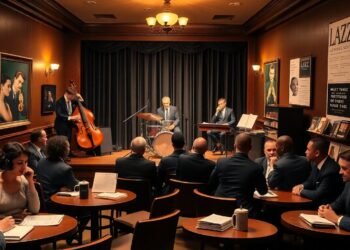
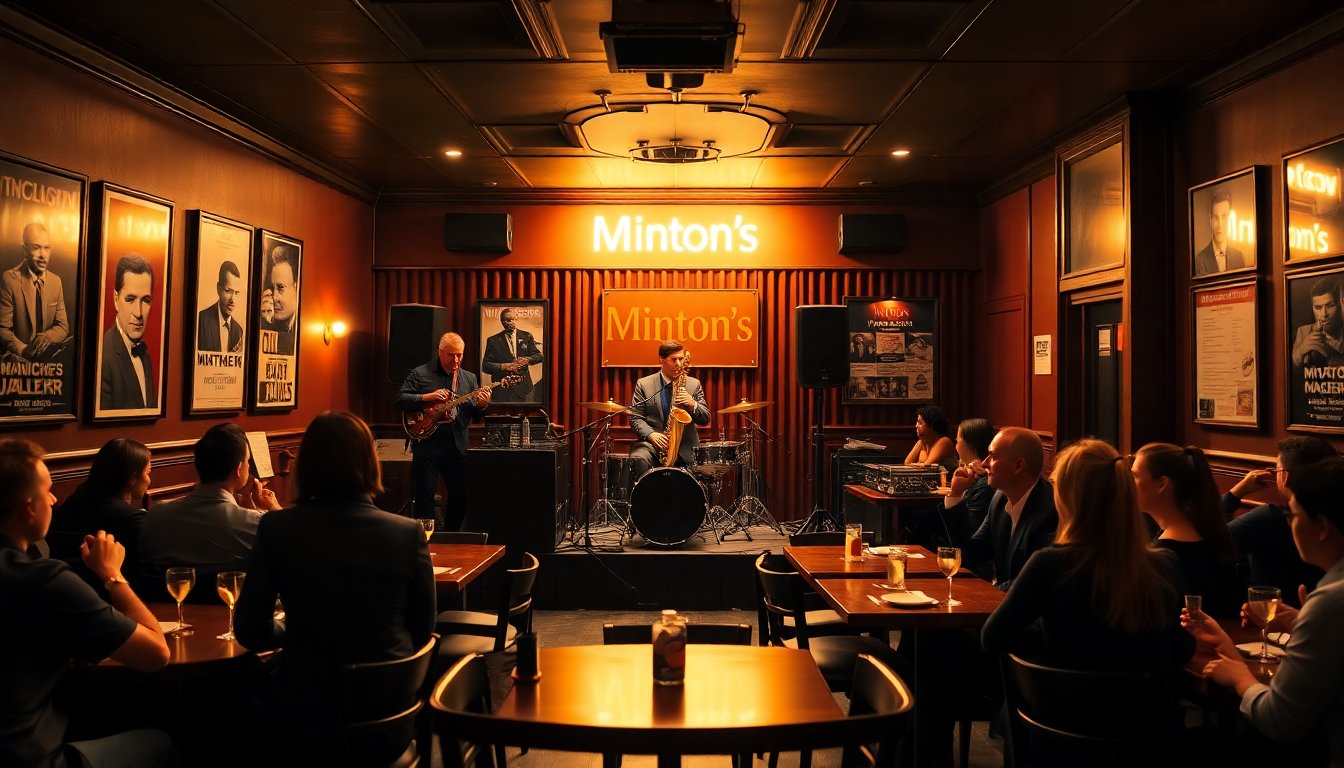
Minton’s jazz bar reopened in recent years with a mix of preservation and change. The owners kept the low ceiling and close tables to preserve the club feel. They improved sound insulation and stage lighting to meet modern codes. The room now holds fewer than a hundred guests. That size keeps performances intimate.
The layout places the stage near the back so bands face the room. Tables sit close to the stage to invite conversation and close listening. A small bar runs along one wall. The staff serves classic cocktails and simple food. The décor uses dark wood, framed photos of past players, and posters of historic shows. Those elements remind guests of the club’s past.
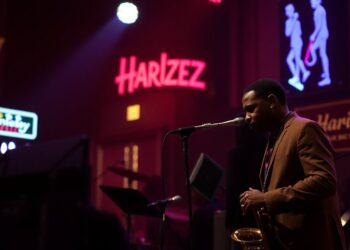
Musically, the venue programs a mix of local and touring players. Late-night jam sessions still occur on select nights. The sound favors acoustic piano, upright bass, drums, and horns. Engineers tune the room to emphasize midrange tones and clear cymbal wash. That balance keeps vocals and solo instruments present without harshness.
Tickets sell quickly for headline shows. The club offers advance online sales and a limited walk-up list. They maintain a late-night calendar that includes themed nights and educational sets. The staff often posts set times and cover policies on social channels. Visitors can expect a focused listening environment where applause follows solos and conversations stay low.
Music fans note that the venue keeps a mix of tradition and new work. Bands play standards and original compositions. Musicians test short new pieces and then expand them in later sets. That practice echoes the club’s historic function. For visitors, the sound and setting give a direct connection to the music’s past and present.
Music, Events, And Practical Visitor Tips (Tickets, Dress, Nearby Sights)
Minton’s jazz bar posts a monthly calendar. The calendar lists headliners, jam nights, and special events. Fans who want a specific show should buy tickets online. Walk-up seats appear only when the house does not sell out. The club keeps a small waiting list at the door for late arrivals.
Ticket prices vary by act. Early sets often cost less than late headline sets. The venue sometimes offers discounted seats for students and older patrons. They accept credit cards and a small number of mobile payments. The staff recommends arrival at least 20 minutes before showtime for seating and drink service.
The dress code stays smart-casual. Guests wear shirts, blouses, jeans, and low-profile shoes. The club asks visitors to avoid large backpacks, open containers, and loud phone calls. They enforce a no-recording policy on many nights to protect performers. Staff will remind guests of rules when needed.
Nearby sights include other Harlem landmarks. Visitors can walk to iconic theaters, historic brownstones, and cultural centers in a few blocks. The neighborhood offers restaurants that serve classic New York and soul food. Some visitors combine a daytime museum visit with an evening show at the club.
Parking options remain limited. Guests usually use ride apps or public transit. The nearest subway stops lie within a short walk. The club posts transit directions on its site. For accessibility, the venue offers a limited number of accessible seats and an accessible restroom. Guests with mobility needs should call ahead to confirm arrangements.
Photographers and historians often schedule daytime visits to view the memorabilia. The club sometimes hosts talkbacks or mini-lectures that explain the venue’s history. Those events help listeners connect the music to specific people and dates. They also offer a quieter way to learn before attending a loud performance.