
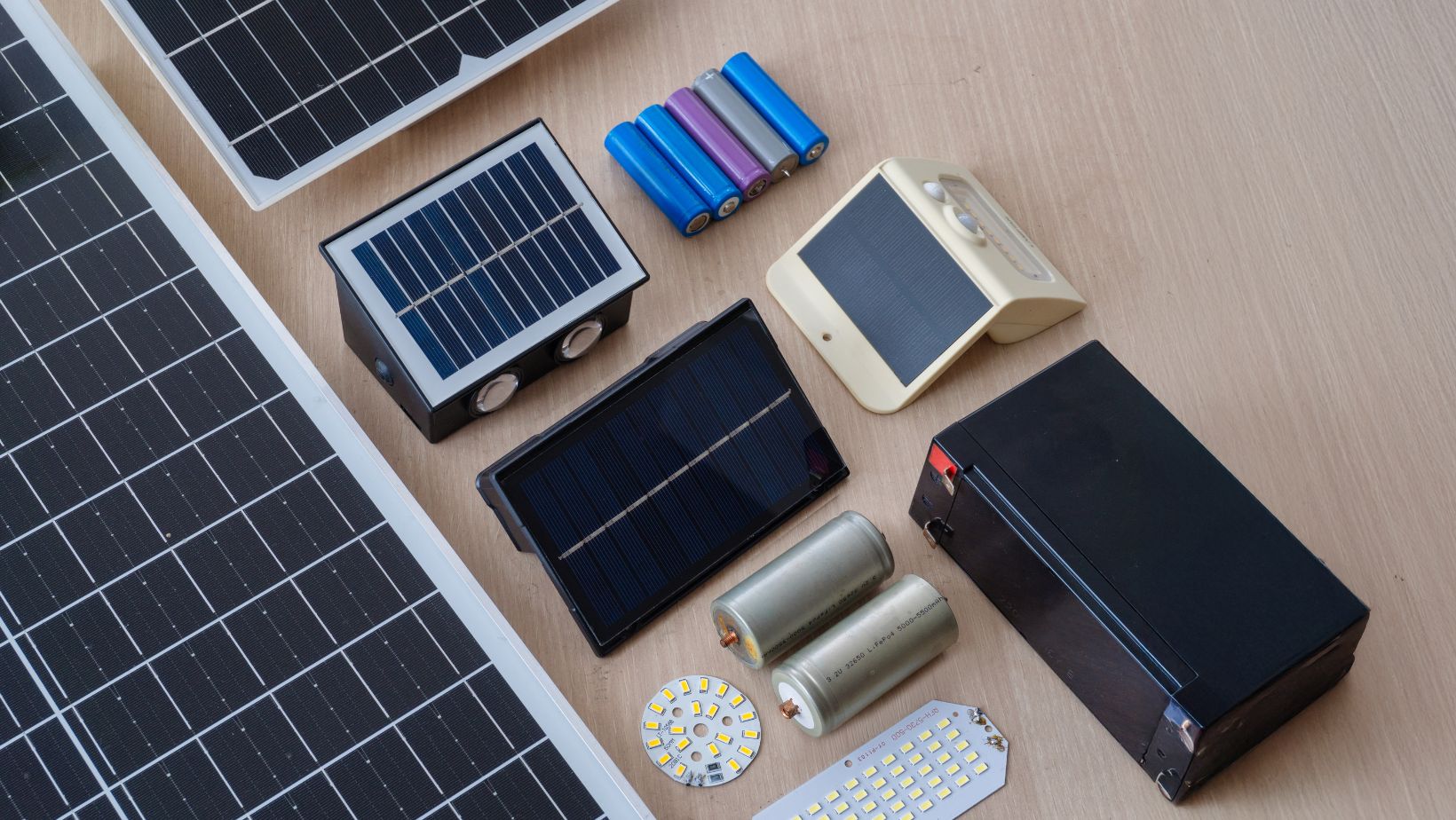
It goes like this: You’re in the great outdoors, taking in panoramic vistas and vistas panoramically, when suddenly your devices that aren’t devices (they are actually more like NEED-vices…) die. It’s in these all-too-common situations that energy independence has become invaluable for outdoor enthusiasts. Portable solar power solutions are changing the manner in which we see off-the-grid access to power, by providing the freedom to no longer rely on conventional sources of energy. Whether you are planning for a weekend trip in your RV or a longer adventure in the outback, mastering power technology can transform a good vacation into a great one. This guide demonstrates both the best portable solar panel options for the adventure seeker, as well as some of the fundamentals of installing solar panels at home for those that want to go a bit more permanent. We’ll go over various types of panels, how to choose them, and some basic install, so you can determine the best route to your journey for energy independence. From ultralight backpacking panels to flexible ones that can roll up, we’ll walk you through everything you need to know when choosing the best solar panels for your needs.
Understanding Solar Panel Types: Portable vs. Rigid
Portable Solar Panels: Your On-the-Go Powerhouse
But when trying to go green with solar power, knowing the basic differences between portable and rigid panels is very essential to make the right choice. Portable panels have completely changed how we get power outdoors due to the convenience and flexibility they bring. These lighter-weight systems are generally in the 2-10 pound range, and are well suited for mobile uses. With a flexible structure, they can be put up and taken down in moments, and extensive weatherproofing means that they can be relied upon in all environments. Today’s portable panels boast between 15-23% efficiency, working well even in a bit of shade.
Rigid Solar Panels: Home Energy Foundations
Includes rigid panels that tend to be larger and heavier than portable panels, and better suited for permanent installations, and more durable. Such conventional panels will generally average between 20-25% efficiency, ideal performance which they will maintain over 25-30 years. Although more cumbersome and without as much versatility, hard or rigid panels are best for harsh weather conditions with consistent performance. The pricing breakdown is that portables are in the $2-$4 per watt range and rigid systems are usually between $1-$2 per watt pre-installation. Because of the more complex installation process, these panels are usually cheaper in the long run for fixed applications. Being bulky and relatively high power density, they are more suitable to be installed permanently, but lack the mobility of portable panels that is so popular among campers and hikers.
Choosing Your Perfect Portable Solar Panel for Camping
Top Features for Outdoor Adventurers
Choose the Best Portable Solar Panel for You The key to picking the best solar panel solution for your needs starts with learning how much power you need each day. Work out how much power you need each day by computing the total of device wattages and usage hours – a smartphone uses about 15-20Wh a day, a laptop might need 50-70Wh. For dependability, try to find panels with waterproof ratings of IP67 or above, as well as reinforced corners that can take an accidental drop.
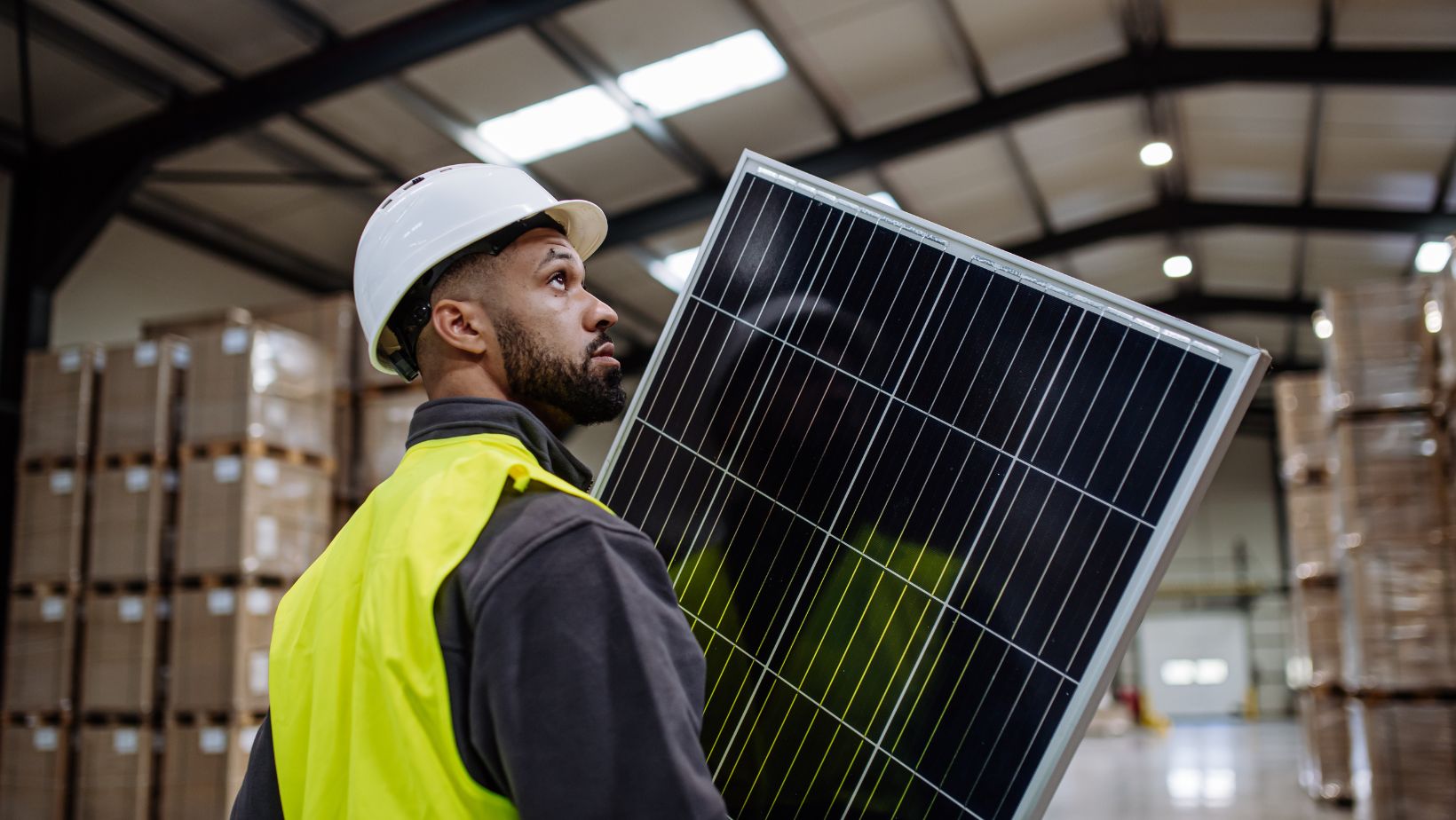 Trusted brands such as EcoFlow have regulators on their products and have been independently tested for durability in severe conditions, and will have you covered with warranties if something does go wrong. Contemporary panels should include built-in charge controllers to protect your battery and have multiple output options (such as USB-A, USB-C and DC ports).
Matching Panels to Camping Styles
For ultra lightweight backpacking small 15-28W foldable panels at sub-2 lb are good for the necessary gadgets without that much pack weight. 100-200W systems with controllers and built-in power stations make sense for RVers and are a step up from basic USB systems, enough to run small appliances and keep multiple devices topped off. For long group outings, modular systems are capable of being daisy-chained together, and usually start at 50W per person with the option to expand. Choose panels with anti-reflective coatings turning into bypass diodes and solutions which are able to even work in partial shade. Smart charging ensures a quick charge while also preventing overcharging to keep your device safe and provide reliable power throughout your approach walls or multi-day trips.
Solar Panel Installation Demystified
DIY Portable Setup in 5 Steps
Setting up portable solar panels requires attention to detail to generate power and guarantee safety. Start with an assessment of your site – look for sunny spots exposed to direct sunlight from 10:00 a.m. to 2 p.m. Maximize panel angle of incidence to sun between 30 degrees and 45 degrees with included tilt mount or adjustable legs and to take the angle adjustment into account in designing the system for best performance in all seasons. When wiring in your components: connect the charge controller first, then the battery, and lastly the solar panels to avoid voltage spikes. Use a multimeter to test your setup for the correct voltage output and connectivity. Trivial tweaks such as cleaning panels, ensuring connections are secure, or moving to prevent partial shade can usually correct most common problems, for instance erratic power glitches.
Home System Installation Fundamentals
Solar installations in your house require deep planning and professional involvement. Begin with a detailed analysis of the roof to evaluate whether the structure can support solar, its orientation, and shading. Of the latest inverter models, there will be options for string and microinverter setups, depending on your setup preferences. Grid-tied systems must be approved by the utility company and have a number of safety features, and off-grid solutions will need large battery banks and backup power sources. Local regulations often require permits, professional inspections and special hardware for mounting. Standard maintenance includes panel cleaning four times a year, a yearly check of connections, and the ability to monitor the system through app integration. Although doing it yourself can feel tempting, final connection and permit approval are often necessary to be handled by certified electricians in most areas. By understanding these fundamentals, homeowners are empowered to make informed decisions while getting safe, code-compliant installations that produce the most energy.
Powering Your Adventures: The Solar Solution
The road to solar energy independence for outdoor adventures and home use is paved with challenge. With portable solar solutions, you can chase the sun to remote locations without worrying about a dead battery and always have reliable power at hand for any kind of mobile lifestyle. Solar, meanwhile, delivers a durable anchor for long-term energy independence at home. When choosing your solar system, make sure that you will carefully calculate the wattage that you will need and will take into consideration your usage and will ensure that you choose a weather appropriate system as well. Whether you’re charging a phone or refueling a power pack, our portable line of monocrystalline solar panels are rugged, reliable, and easy to use. And we have product options for all budgets. Start your solar liberation journey today by figuring out your own power needs and researching rugged, weatherproof panels to suit your style of adventure. With the perfect solar solution, you do not have to choose between feeling powerful and staying mobile.