
In the heart of Harlem, a musical revolution brewed that would change the world forever. Picture this: the streets alive with the sounds of trumpets, saxophones, and the unmistakable rhythm of jazz. It’s not just music; it’s a vibrant expression of culture, emotion, and history. American jazz music didn’t just stumble onto the scene—it burst forth like a confetti cannon at a New Year’s party, bringing with it a unique blend of African rhythms and European harmonies.
American Jazz Music Got Its Start In Harlem.
Jazz music’s roots lie deeply embedded in the cultural tapestry of Harlem. This vibrant neighborhood served as a breeding ground for musical innovation, reflecting the struggles and triumphs of its community.
African American Musical Traditions
African American musical traditions played a pivotal role in shaping jazz. Spirituals and work songs formed the emotional foundation, infusing improvisation into performances. The rhythms of African heritage resonated in the beats, creating a unique sound. Influential figures like Louis Armstrong and Duke Ellington drew from these traditions, fostering a rich musical legacy. As musicians experimented with tempo and style, they breathed life into jazz, making it a powerful vessel for storytelling.
Influences from Other Genres
Other genres also shaped the development of jazz music. Blues infused jazz with its expressive qualities, emphasizing emotional depth. Ragtime introduced syncopated rhythms, enhancing the complexity of jazz compositions. European classical music contributed structural elements, adding sophistication to melodies. These eclectic influences merged seamlessly in Harlem, giving rise to a sound that transcended barriers. Jazz emerged not only as entertainment but also as a form of cultural expression, reflecting the diverse influences that contributed to its evolution.
Harlem: The Birthplace of Jazz
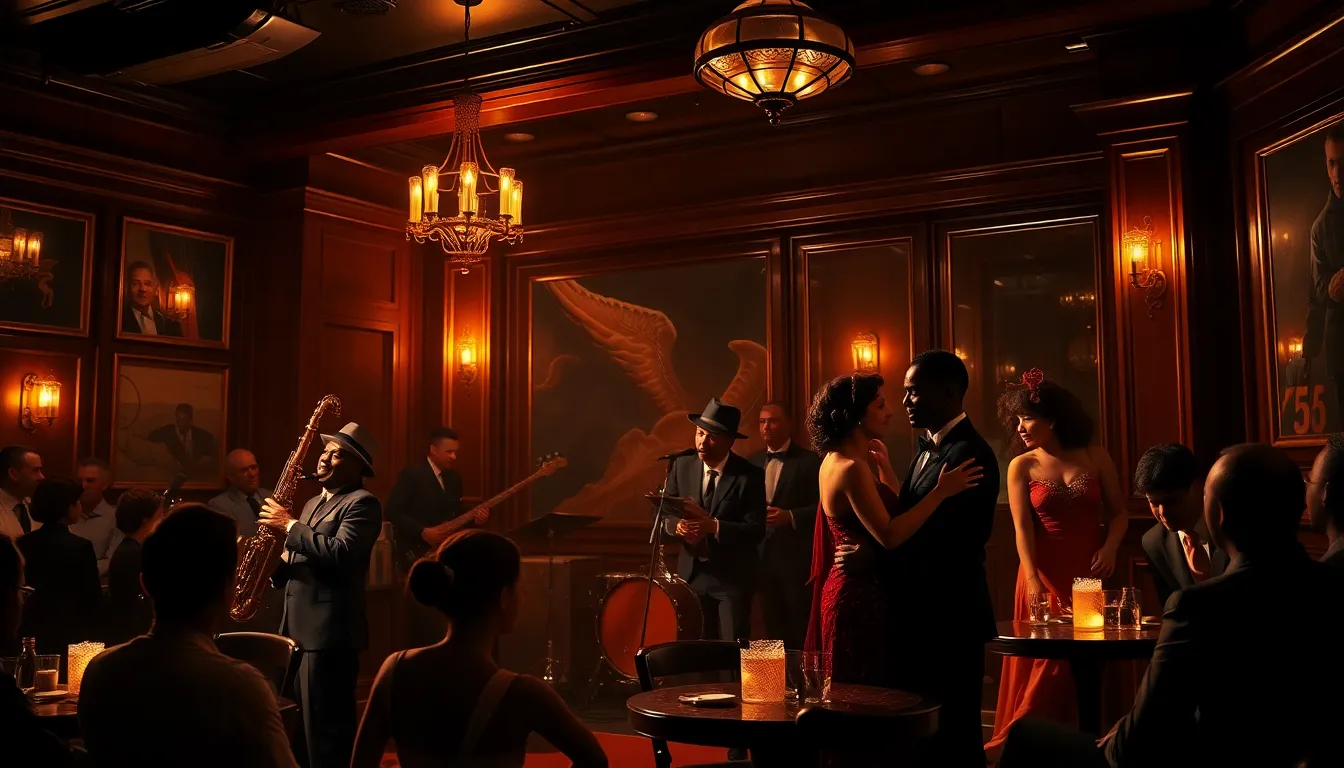
Harlem stands as the birthplace of jazz, shaping its evolution and global impact. This neighborhood infused jazz music with cultural significance and emotional depth.
The Harlem Renaissance
The Harlem Renaissance marked a flourishing era for African American culture in the 1920s. Artists, writers, and musicians emerged, fostering an environment ripe for innovation. Jazz found a vibrant platform through clubs and theaters, attracting diverse audiences. Key figures, like Langston Hughes and Zora Neale Hurston, celebrated African American heritage, complementing the musical landscape. This cultural movement elevated jazz from mere entertainment to a profound expression of identity and freedom.
Key Venues for Jazz Music
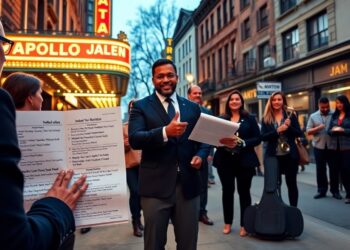
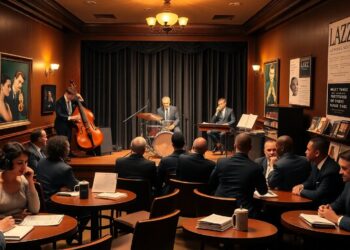
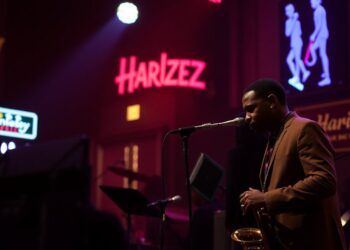
Jazz thrived in iconic venues throughout Harlem, shaping its sound and reaching new audiences. The Cotton Club, known for its talented performers, showcased luminaries like Duke Ellington and Ella Fitzgerald. Minton’s Playhouse served as a crucible for bebop innovation, where musicians experimented with rhythmic and harmonic boundaries. The Apollo Theater became a launching pad for countless artists, solidifying Harlem as a mecca for jazz. These venues not only celebrated music but also fostered a sense of community among performers and audiences alike.
Pioneering Artists and Their Impact
American jazz music in Harlem owes much to its pioneering artists, whose innovative styles and performances shaped the genre’s trajectory.
Louis Armstrong
Louis Armstrong emerged as a defining figure in jazz music, known for his virtuosic trumpet play and distinctive gravelly voice. He popularized the solo performance format and introduced improvisation as a central element of jazz. Armstrong’s innovative spirit brought rich emotional expression to the genre, influencing countless musicians. His hit recordings like “What a Wonderful World” and “Hello, Dolly!” showcased his ability to connect with audiences far beyond Harlem. His charismatic stage presence transformed live performances, elevating jazz to mainstream popularity and establishing it as an essential art form.
Duke Ellington
Duke Ellington significantly advanced jazz music with his sophisticated compositions and arrangements. Leading his orchestra for over 50 years, he blended diverse musical influences, creating intricate pieces that captivated listeners. Ellington’s signature works, such as “Mood Indigo” and “Take the ‘A’ Train,” demonstrated the depth of jazz’s emotional range. His innovative use of harmony and orchestration propelled jazz to new artistic heights. Recognized as one of the most important composers in American music, Ellington’s influence extended beyond Harlem, inspiring generations of artists in various genres.
The Evolution of Jazz in Harlem
Jazz in Harlem evolved through various changes in style and influence, creating a dynamic soundscape. Musicians drew from African American spirituals, blues, and ragtime, shaping jazz’s foundational elements. Each artist contributed their unique flair, enriching the genre. Louis Armstrong introduced improvisation as a centerpiece, emphasizing vibrant solo performances. Duke Ellington brought sophisticated arrangements and orchestration, enhancing jazz’s artistic complexity. Together, these innovations laid the groundwork for future developments, broadening jazz’s audience and impact.
Social movements significantly shaped jazz’s evolution in Harlem. The Harlem Renaissance, spanning the 1920s, fostered an environment that celebrated African American culture. This vibrant atmosphere encouraged artists to express themselves freely through music. Jazz became synonymous with identity and resistance against oppression. Political and social struggles found their voice in jazz, resonating deeply with audiences. Artists like Billie Holiday used their music to address issues like racism and inequality, solidifying jazz as a powerful tool for social change. Through intertwining artistry and activism, jazz thrived as a cultural force in Harlem.
Conclusion
American jazz music’s roots in Harlem represent a vibrant tapestry of cultural expression and innovation. This genre emerged not only as a musical form but as a voice for a community seeking to be heard. The fusion of diverse influences created a sound that resonates deeply with emotion and identity.
Harlem’s rich history and its role during the Harlem Renaissance fostered an environment where creativity thrived. Iconic venues and legendary artists transformed jazz into a powerful medium for storytelling and social change. As jazz continues to evolve, its Harlem origins remind us of the enduring impact of cultural heritage on music and society.