

In 2023, the global convenience store market surpassed $3.1 trillion, driven largely by changing consumer habits and technological adoption. Convenience store management software is at the heart of this shift, helping owners streamline operations, improve margins, and stay competitive. No longer just a tool for inventory, modern systems pack serious intelligence into everyday functions. From real-time analytics to predictive ordering, this software is redefining how stores are run. Let’s explore five powerful features that are changing the game for store owners everywhere.
How Modern Software Is Reinventing Convenience Stores
Today’s convenience store isn’t just a place to grab a soda or a snack; it’s a complex operation that demands speed, accuracy, and adaptability. That’s where software innovation comes in.
1. Real-Time Inventory Tracking
Manual inventory management is slow, error-prone, and outdated. The latest systems offer real-time inventory tracking that updates the second a product is scanned, sold, or restocked.
This feature minimizes human error and saves hours of manual labor. It also ensures popular items are always in stock, while reducing over-ordering of slower sellers. With convenience store management software, you can instantly access accurate data on every SKU, making inventory decisions faster and more reliably. This means better shelf availability and less capital tied up in stagnant stock.
Moreover, real-time visibility helps reduce shrinkage caused by theft, spoilage, or administrative mistakes. Store owners can set up automatic alerts for low-stock items or flag irregularities in stock movement, allowing them to respond proactively. Integration with barcode scanners and digital shelf labels further enhances the precision of inventory management. The ability to quickly identify which items are moving—and which are not—lets managers adjust displays and pricing on the fly. In essence, this feature doesn’t just track what you have; it gives you the insight to act smarter and faster. LEAFIO AI’s Inventory Management module is a perfect example—it offers real-time updates and shelf availability analytics, reducing out-of-stocks by up to 30%.
2. Smart Reordering with Predictive Analytics
Running out of essentials can cost a store more than just a single sale—it risks losing long-term customer loyalty. Predictive analytics uses past sales data, seasonal trends, and even weather forecasts to anticipate demand and automate reordering.
This means your system can place orders before you know you’re running low. It takes the guesswork out of restocking and helps stores reduce waste by avoiding unnecessary surplus. Instead of reacting to problems, managers can stay one step ahead, turning data into smarter decisions.
Predictive reordering revolutionizes supply management by aligning orders with customer behavior. It adjusts for weather changes, sets reorder points by vendor lead times, and ensures timely stock arrivals, preventing late deliveries. This automation streamlines logistics, protects profits, and keeps shelves full. As part of a broader platform, LEAFIO’s Demand Forecasting uses machine learning to optimize inventory, increasing order accuracy by over 25%.
3. Integrated Multi-Location Management
Whether running a single store or a regional chain, visibility across all locations is essential. Integrated systems let you manage pricing, promotions, staff, and inventory from one dashboard, syncing automatically. This benefits franchise owners or operators scaling operations, providing top-down control without micromanagement. You can benchmark, identify underperformers, and apply best practices in real time.
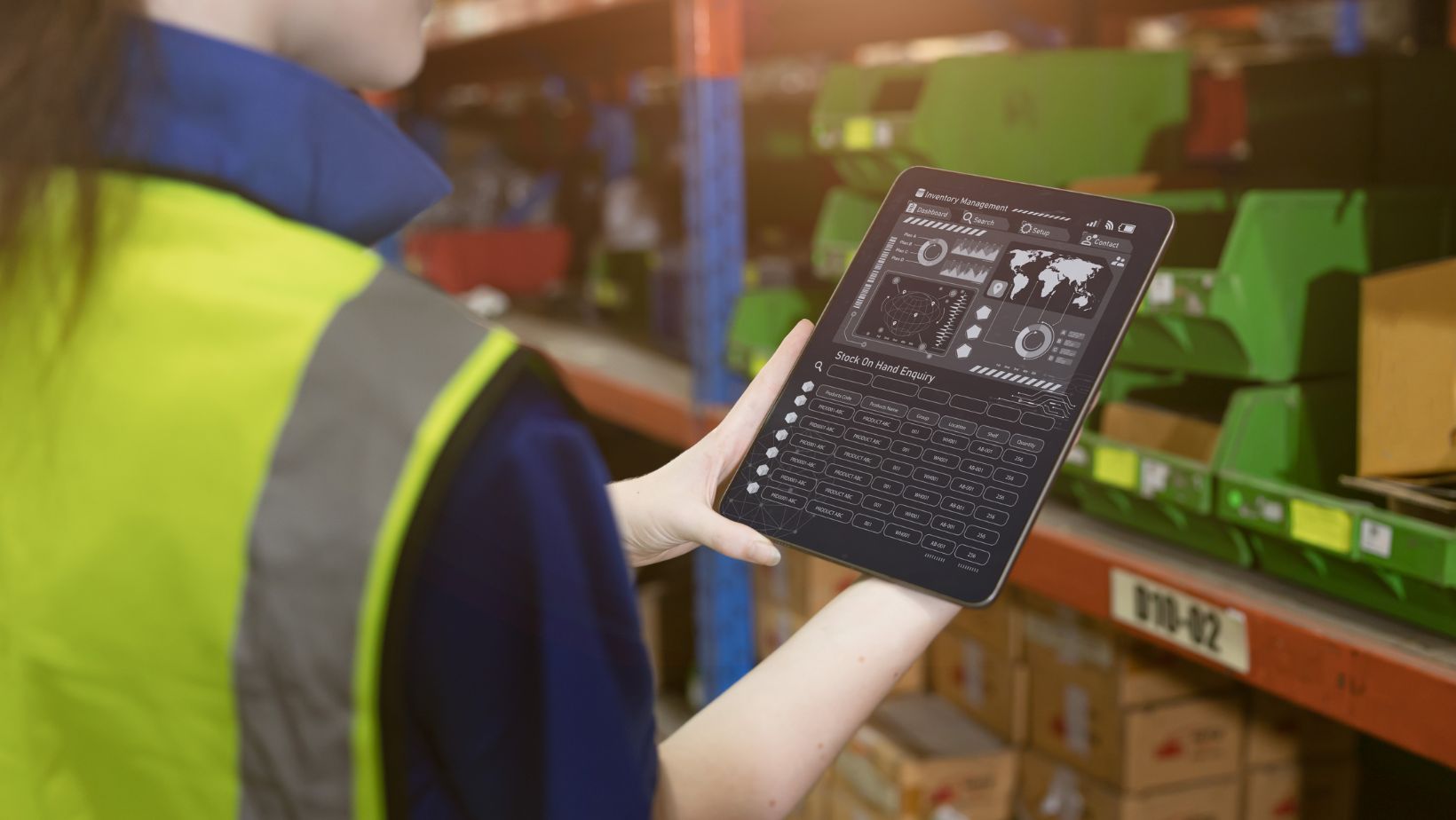
This integration ensures consistent branding, pricing, and customer experience. Promotions can be launched chain-wide with one click. Employee time clocks and schedules can be standardized, reducing compliance issues and payroll discrepancies. Reports can be filtered by location, region, or product line for detailed or overview insights. Whether stores are local or nationwide, unified management tools promote operational harmony. This scalability is vital for growth, preventing inefficiencies. LEAFIO’s platform supports multi-store inventory, pricing, and replenishment controls, keeping all locations synchronized and easy to manage.
4. Mobile Point of Sale (mPOS) and Self-Checkout
Customers value speed, and long lines are a deal breaker. That’s why modern systems offer mobile point of sale (mPOS) and self-checkout options that reduce wait times and boost customer satisfaction.
An employee with a tablet can check out a customer in any aisle. Or a kiosk that lets shoppers scan and pay themselves. These features aren’t just about efficiency; they also improve hygiene, reduce staffing pressure during peak hours, and appeal to tech-savvy consumers. In many cases, sales volume increases simply because customers are less likely to abandon purchases due to lines.
mPOS systems enable sales anywhere, including outside events, while self-checkout caters to quick, private transactions. Both systems facilitate upselling via on-screen prompts, and all data is integrated into store management software for analysis and optimization. These tools also make staff more mobile and proactive, improving service without extra staff. LEAFIO’s software integrates with POS hardware to sync sales with inventory, though it doesn’t supply hardware.
5. Loyalty and Personalization Tools
Getting a customer to walk through your door is one thing. Getting them to come back? That’s where loyalty and personalization come in. Built-in tools allow stores to create custom promotions based on purchase history, send automated discounts, and reward repeat buyers.
These systems use AI to segment customer data and personalize offers that feel relevant, not spammy. Instead of a generic 10% off, a regular coffee buyer might get a free cup after five purchases. This type of engagement boosts retention and turns occasional shoppers into loyal customers. With convenience store management software, marketing becomes automated, targeted, and far more effective.
Beyond discounts, these tools send birthday rewards, notify customers of restocked favorites, or create exclusive VIP programs. They make shoppers feel recognized and valued. By analyzing basket size, frequency, and product mix, the software tailors incentives to individual preferences, leading to increased visit frequency, higher spending, and stronger customer relationships. When used strategically, loyalty tools drive growth and differentiation in a crowded market. LEAFIO’s Promotion Planning module targets the right customers with the right offers, based on transaction behavior and regional trends.
Wrapping It All Up
The real value of these features lies in how seamlessly they work together to support a store’s daily operations. While each tool is powerful on its own, combined, they form a smart, responsive ecosystem that helps store owners save time, increase revenue, and deliver better service, without needing to be tech experts. Investing in innovation is no longer optional; it’s the cost of staying in the game.