The harlem renaissance jazz music drove cultural change in the 1920s. It mixed African American folk music, blues, ragtime, and new rhythms. It sparked artistic pride and social visibility for Black communities. Musicians, writers, and club owners shared ideas and audiences. They spread the sound from Harlem to national stages and radio. This article explains origins, musical traits, major players, and the venues that made the movement visible.
Key Takeaways
- The Harlem Renaissance jazz music originated in the 1920s Harlem community, blending African American folk, blues, ragtime, and new rhythms to foster cultural pride and social visibility.
- Key musical traits of Harlem Renaissance jazz include swing, syncopation, collective improvisation, blue notes, and innovative harmonies that captivated dancers and radio audiences.
- Louis Armstrong played a pivotal role in defining Harlem Renaissance jazz music by elevating solo improvisation, spreading the genre nationwide, and boosting its popularity across racial lines.
- Harlem’s venues like the Cotton Club and Apollo Theater, along with recordings and radio broadcasts, were essential in expanding the reach of Harlem Renaissance jazz music from local clubs to a national audience.
- The Harlem Renaissance jazz music scene thrived through collaborations among musicians, writers, club owners, and promoters who collectively shaped American culture and entertainment.
Origins And Social Context Of Harlem Renaissance Jazz
The harlem renaissance jazz music emerged after World War I. Great Migration migrants moved north and settled in Harlem. They brought musical forms and performance skills. Economic growth and a concentrated Black population created a demand for entertainment. Clubs, theaters, and rent parties offered stages and income. Writers and artists promoted Black identity and pride. The city offered new audiences and press coverage. White patrons and Black patrons met at some venues, and that contact widened the music’s reach. Musicians found recording opportunities and radio spots, and the music moved from local to national influence.
Musical Characteristics And Key Innovations
The harlem renaissance jazz music emphasized swing, syncopation, and collective improvisation. Bands used syncopated rhythms to shift accents and create forward motion. Horn sections traded short motifs while soloists extended phrases. Musicians introduced blue notes and call-and-response patterns from the blues. Arrangers layered sections to create texture and tension. The use of breaks let soloists claim the spotlight. Musicians adopted new harmonies and chord substitutions to add color. Drum sets and walking bass changed timekeeping and groove. These innovations helped the music appeal to dancers, radio listeners, and record buyers.
Key Figures Who Defined The Sound
Leaders shaped the harlem renaissance jazz music through performance and composition. They set styles that other musicians copied. Three figures stand out for their influence on technique, presentation, and public image. These artists helped move jazz from small groups to big bands and from local clubs to national tours. They also linked jazz to theater, film, and commercial recordings, which broadened the audience and solidified the music’s role in American culture.
Louis Armstrong — Improvisation, Soloing, And Star Power
Louis Armstrong raised the role of the soloist in the harlem renaissance jazz music. He played trumpet with a bright tone and rhythmic feel. He used simple motifs and clear phrasing to speak musically. Other musicians copied his sense of timing and his vocal manner. Armstrong shifted attention from group textures to individual voice. He toured widely and made influential recordings that sold across racial lines. His stage presence and charisma helped make jazz a popular, visible art form. He also influenced younger players who sought to match his inventiveness and swing.
Venues, Recordings, And The Jazz Scene In Harlem
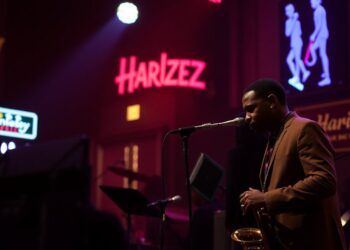
Harlem offered venues that fueled the harlem renaissance jazz music scene. The Cotton Club, Savoy Ballroom, and Apollo Theater hosted dancers and bands. Rent parties and small bars gave basement players chances to experiment. Record companies captured live and studio performances and sold records nationwide. Radio broadcasts carried sets from Harlem clubs into American homes. Promoters and talent agents arranged tours and film appearances. Dance halls encouraged rhythmic invention as bandleaders wrote to please dancers. Critics and newspapers reported on shows and created public reputations for performers. These venues and media channels turned local sounds into national trends.