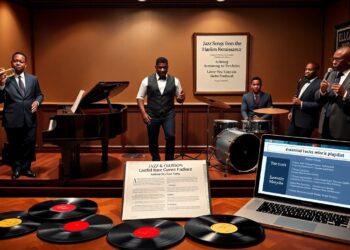
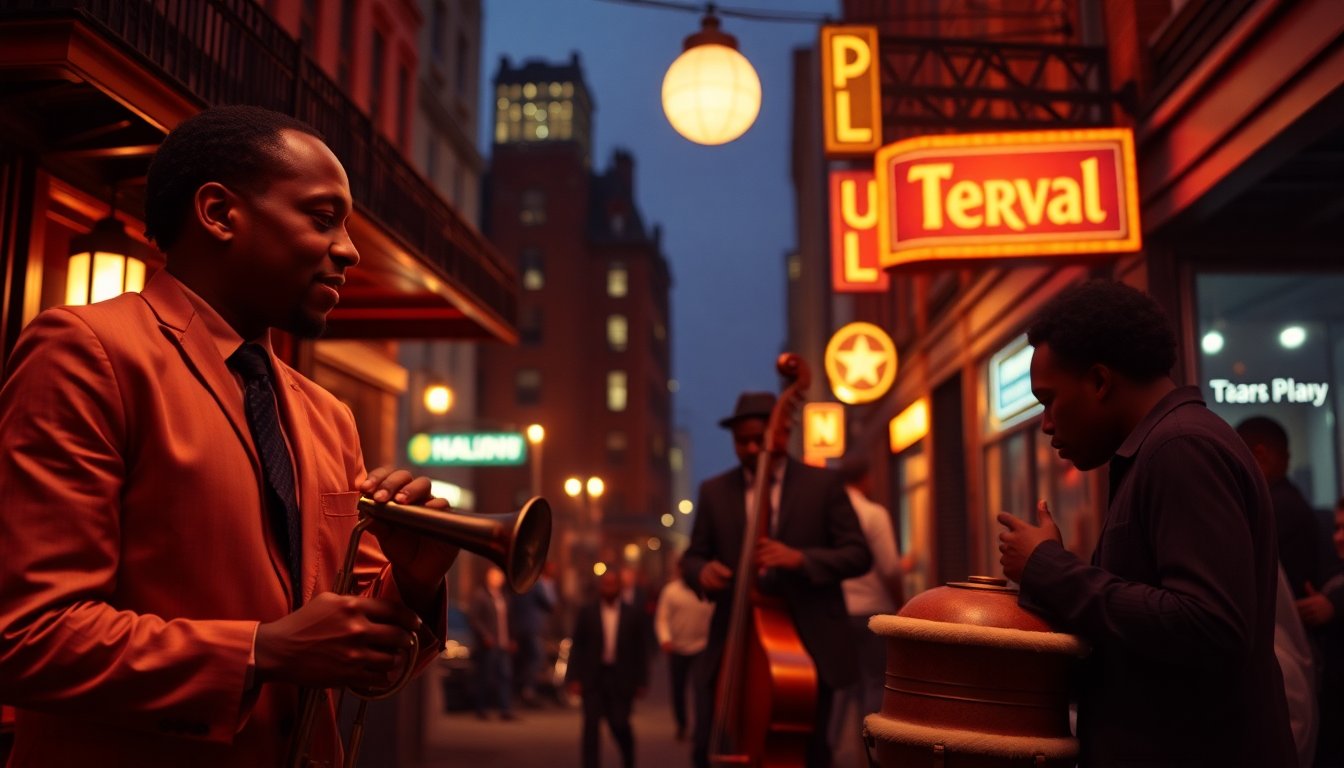
Jazz music from the Harlem Renaissance rose in the 1920s and shaped American music. Historians study how jazz music from the Harlem Renaissance mixed African rhythms, blues, and popular song. Scholars note that jazz music from the Harlem Renaissance gave new roles to improvisation and dance. Communities in Harlem supported clubs, bands, and recordings. Musicians used jazz music from the Harlem Renaissance to gain national attention and cultural influence.
Key Takeaways
- Jazz music from the Harlem Renaissance blended African rhythms, blues, and popular songs to create lively and emotionally direct sounds that reshaped American music.
- Improvisation and ensemble interplay became central to jazz during the Harlem Renaissance, making performances more dynamic and danceable.
- The Great Migration concentrated talented Black musicians in Harlem, fostering clubs and venues that supported the growth and visibility of jazz music from the Harlem Renaissance.
- Legendary bandleaders like Duke Ellington and Louis Armstrong innovated jazz with sophisticated arrangements and unique solo styles that influenced national and international audiences.
- Harlem’s clubs, recordings, radio broadcasts, and touring acts helped spread jazz music from the Harlem Renaissance across the United States, solidifying its role as a defining American sound.
The Sound And Styles That Defined Harlem Jazz
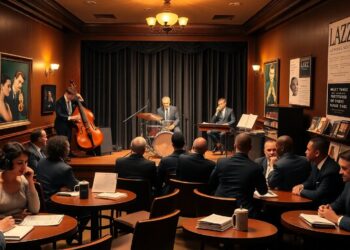
Harlem musicians created sound and styles that stood out. They mixed syncopated rhythm, call-and-response, and blues scales. They favored upbeat swing and slower blues ballads. Bands emphasized improvisation and ensemble interplay. Jazz music from the Harlem Renaissance used brass, reeds, piano, bass, and drums. Musicians used cornet, trumpet, trombone, clarinet, saxophone, piano, banjo, and tuba in clubs and theaters. The texture shifted as players traded solos and supported soloists. The result made jazz music from the Harlem Renaissance lively, danceable, and emotionally direct.
Social And Cultural Forces Behind The Harlem Jazz Explosion
Great Migration pushed many musicians to Harlem. Black families moved from the South and brought regional styles and songs. Harlem offered clubs, newspapers, and theaters where musicians could perform. Patrons paid for records and live shows. Racial segregation limited opportunities but also concentrated talent in Harlem. Black newspapers and magazines covered jazz and helped promote artists. The new demand for entertainment during the 1920s made jazz music from the Harlem Renaissance more visible. This visibility helped jazz cross social lines and reach national audiences.
Legendary Musicians, Bands, And Their Signature Contributions
Bands and leaders shaped how people heard jazz. Big bands and small combos gave listeners variety. Arrangers changed how ensembles sounded and how songs moved. Prominent groups set standards that others copied. Education and touring widened influence. Audiences learned to expect certain forms and solos. This pattern helped jazz music from the Harlem Renaissance become a standard in American popular music.
Key Instrumentalists And Bandleaders
Duke Ellington led a band that combined sophisticated arranging with blues feeling. His orchestra used voicing and tone color in novel ways. Louis Armstrong changed solo jazz with rhythmic drive and personal sound. Fletcher Henderson organized arrangements that shaped the big band style. Sidney Bechet and Coleman Hawkins advanced saxophone and clarinet roles. Each player added phrasing, timing, or harmonic ideas that spread through other bands. Critics and fans praised these changes and helped spread jazz music from the Harlem Renaissance across theaters and records.
Venues, Recordings, And The National Spread Of Harlem Jazz
Harlem clubs hosted nightly sets that tested new material. The Cotton Club and the Savoy Ballroom attracted white and Black audiences in different ways. Record companies recorded bands in New York and released those records nationwide. Radio programs broadcast performances to listeners across the country. Touring acts took Harlem styles to Chicago, Kansas City, and the West Coast. Dance halls and dance crazes helped spread the sound. Critics, promoters, and talent scouts then moved styles from Harlem into Broadway shows and Hollywood films. These channels made jazz music from the Harlem Renaissance a defining American sound.