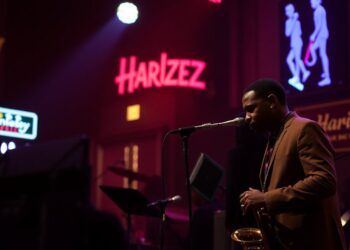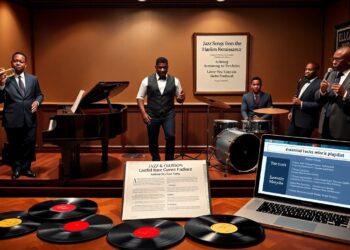
Harlem renaissance jazz songs shaped a cultural shift in the 1920s and 1930s. Historians link those songs to social change, artistic pride, and new musical forms. The songs drew diverse audiences and changed American music. This article lists key songs and explains their musical traits, social roles, and lasting influence.
Key Takeaways
- Harlem renaissance jazz songs were pivotal in giving Black artists a powerful voice and reshaping American music culture.
- These jazz songs featured innovative musical traits like syncopation, improvisation, and expanded horn sections for a modern sound.
- Iconic Harlem renaissance jazz songs transcended social barriers, becoming symbols of Black pride and cultural unity.
- The spread of Harlem renaissance jazz songs through records, radio, and tours helped embed jazz into mainstream American culture.
- Musicians and arrangers used these songs to create new career opportunities and influence later music styles.
How Jazz Shaped The Harlem Renaissance Scene
Harlem renaissance jazz songs gave voice to Black artists and communities. Musicians mixed blues, ragtime, and improvisation to form new sounds. Club owners booked bands that changed night life and social life. Critics and patrons wrote about jazz in newspapers and magazines. Poets and painters responded to jazz in their work. Political leaders heard jazz at rallies and events. The music created new jobs for composers, arrangers, and performers.
Musical Characteristics And Innovations Of Harlem Renaissance Jazz
Musicians changed rhythm, harmony, and form. They used syncopation to shift emphasis off the beat. Bands expanded horn sections to create layered tones. Soloists improvised over chord changes and surprised listeners. Arrangers added call-and-response passages derived from field songs. Composers borrowed from classical motifs and folk tunes. These choices gave Harlem renaissance jazz songs a distinctive, modern sound.
Typical Musical Traits And Innovations
Melody in these songs used short, repeated phrases. Harmonic changes moved to richer, sometimes unexpected chords. Rhythm sections kept steady pulse while soloists played flexible lines. Instrumentation varied from small combos to big bands. Trumpet and saxophone often carried the lead lines. Piano players supplied both rhythm and countermelody. The emphasis on improvisation let each musician shape the final performance.
Iconic Songs And Their Cultural Impact
A handful of songs became symbols of the movement. These songs crossed class and color lines. They appeared on phonograph records and in sheet music. Radio shows picked up popular numbers and broadened their reach. Critics debated whether some songs diluted or amplified Black expression. Community leaders often used songs as rallying points for pride. Musicians used hits to secure tours and recording contracts.
How These Songs Spread Beyond Harlem And Influenced American Culture
Record companies pressed records and shipped them nationwide. Touring bands played urban centers, small towns, and theaters. Sheet music sellers placed tunes in shops across the country. Radio broadcasts sent performances into homes and bars. White and Black performers adapted songs and reached new audiences. Schools and conservatories began to teach jazz techniques. Over decades, these songs shaped film scores, popular standards, and later jazz styles.