
A harlem jazz tour gives visitors a direct link to music, history, and community. It shows how jazz shaped Harlem and American culture. The tour guides point out clubs, theaters, and murals. They tell clear stories about artists, events, and local life. This introduction sets expectations for routes, stops, and practical tips for a safe, lively visit.
Key Takeaways
- A Harlem jazz tour offers a rich experience connecting visitors to the music, history, and vibrant community of Harlem through iconic clubs, theaters, and murals.
- The tour highlights how jazz influenced social change, culture, and continues to thrive in Harlem’s live music venues today.
- Typical Harlem jazz tours last two to three hours, combining walking and short rides, with stops at landmarks like the Apollo Theater and Savoy Ballroom site.
- Visitors can choose guided tours for in-depth stories and music clips, self-guided walks for flexibility, or custom tours focusing on specific themes.
- Advance ticket purchase is recommended, and practical tips include comfortable shoes, checking accessibility, carrying essentials, and respecting venue rules.
- Tours often end near clubs or cafes where guests can enjoy live music, enhancing the immersive Harlem jazz experience.
Why Harlem Jazz Still Matters Today
Harlem jazz tour visitors learn how music shaped social change. Musicians mixed songs and rhythm to reflect life and hope. The music influenced dance, fashion, and language. The neighborhood kept clubs as meeting places for artists and activists. Historians note that Harlem jazz tour sites show both triumph and struggle. Local educators use songs to teach history and culture. Musicians still perform in those venues and in new spaces. A harlem jazz tour helps people hear those voices and see the streets where history happened.
What To Expect On A Harlem Jazz Tour (Routes, Duration, And Vibe)
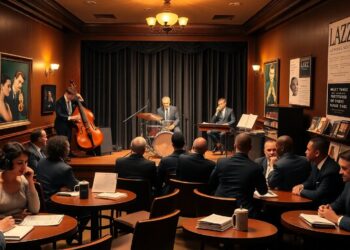
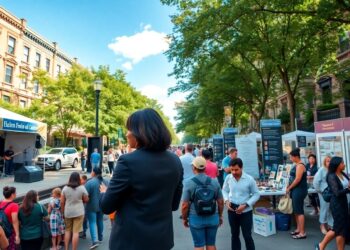
A typical harlem jazz tour lasts two to three hours. The guide leads groups on foot and by short rides. Tours often start near the Apollo Theater. Routes include 125th Street, Lenox Avenue, and side streets with clubs and landmarks. The pace stays steady and conversational. The vibe mixes historic facts and music clips. Guides play short recordings or point out live shows. Small groups get time to ask questions. Larger groups hear a structured narrative. Weather can change plans, so tours may move indoors when needed. They end near a club or cafe where listeners can stay for music.
Must-Visit Stops: Historic Clubs, Landmarks, And Hidden Gems
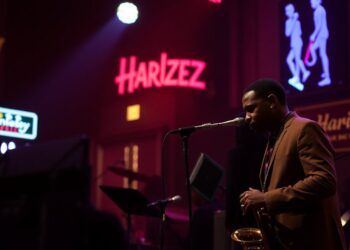
A harlem jazz tour highlights the Apollo Theater as a primary stop. The Apollo hosted many famous performers and talent shows. Another stop includes the Savoy Ballroom site, where dancers and bands once met. Small clubs on Lenox Avenue still offer live sets and late-night jams. Guides point out landmarks like the National Jazz Museum and local murals. Hidden gems include basement clubs, record shops, and corner bars with history. Visitors often hear stories about legendary artists who played at each stop. Guides recommend checking the night listings for live sets and special events. They suggest arriving early for seated shows.
How To Choose The Right Tour: Guided, Self-Guided, Or Custom Walks
Visitors choose a harlem jazz tour based on time, budget, and interest. A guided tour offers live narration and local insight. They include anecdotes and music clips. A self-guided tour lets visitors move at their own pace. They use maps, apps, or printed guides. A custom walk serves groups with a specific focus, such as women in jazz or architecture. They often require advance booking. People who want deeper archival detail choose guided or custom options. Those who want a casual walk choose self-guided tours. Tour operators list durations, stops, and accessibility features on their sites. They also list refund and weather policies.
Practical Tips: Tickets, Safety, Accessibility, And What To Bring
Buy harlem jazz tour tickets in advance for popular dates. Many tours sell out on weekends and festival days. Bring a charged phone for maps and photos. Wear comfortable shoes for walking on uneven sidewalks. Check the tour description for wheelchair access and audio support. Carry a small water bottle and a light jacket for cool evenings. Keep a copy of the meeting point and the guide’s contact number. Travel in daylight when possible and stay on well-lit streets at night. Respect venue rules about photography and quiet during performances. Tip guides when service met expectations. Use cash or card as the venue requires.