mintons playhouse harlem opened as a small after-hours club in 1938. The club drew musicians who wanted to push jazz forward. Scholars and fans now call the venue a birthplace of bebop. The article gives clear history, musical details, and cultural context. It shows where the club mattered and how the music spread. Readers will learn who played there and where to find the legacy today.
Key Takeaways
- Minton’s Playhouse Harlem, opened in 1938, is recognized as the birthplace of bebop, significantly advancing modern jazz.
- The club’s house band and jam sessions fostered musical innovation by allowing musicians to experiment with complex chords and rhythms in a live setting.
- Legendary artists like Thelonious Monk, Dizzy Gillespie, and Charlie Parker regularly performed at Minton’s, shaping bebop’s signature sound.
- Minton’s served as an important social hub in Harlem, promoting racial integration and supporting the local community through music and nightlife.
- Though the original club closed, its legacy lives on through preservation efforts, museum exhibits, and jazz education programs that celebrate its historic role in jazz history.
History And Origins: From Cotton Club Roots To A Harlem Nightspot
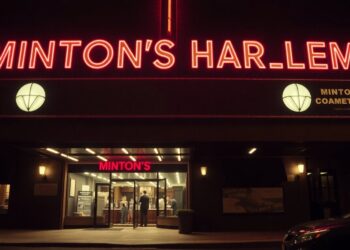
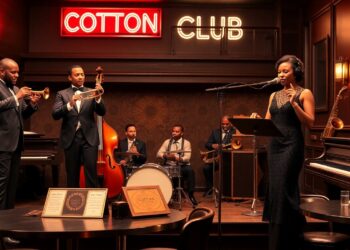
Minton’s Playhouse Harlem started when Henry Minton converted a ground-floor space into a club. The club opened near 118th Street and became an after-hours spot. Musicians from the Cotton Club and other venues came to play late sets. The club charged small cover fees and welcomed working players. The location gave musicians time to experiment after main gigs. The club’s modest size created a close audience and a focused sound. Local papers wrote about Minton’s as a daring new spot for serious music.
The Birth Of Modern Jazz: Minton’s Signature Sound And Innovations
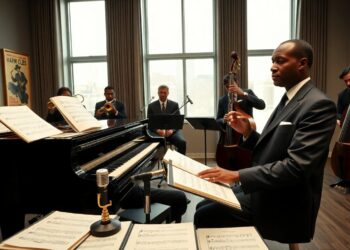
Minton’s Playhouse Harlem gave musicians a place to change jazz. Players at the club began to play faster lines and more complex chords. They used altered chords and extended harmonies more often than in dance bands. Drummers and bassists learned new ways to support soloists. Horn players pushed phrasing and rhythm. The result became known as bebop. Musicians at Minton’s compared ideas and repeated successful phrases. Recordings and later interviews tied the club’s sessions to the new style. The club’s music influenced clubs in Manhattan and recorded sessions soon after.
House Band, Jam Sessions, And Musical Innovations
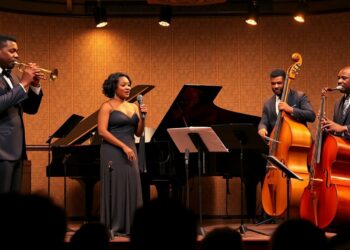
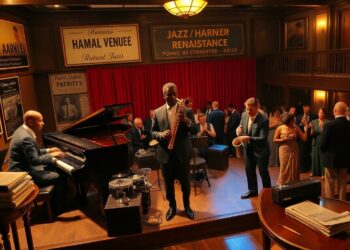
Minton’s Playhouse Harlem relied on a house band to anchor late-night jam sessions. The house band kept steady time and laid out harmonic frameworks. Visiting soloists tried new melodies and rhythms over those frameworks. The jam format let players test ideas in public. The crowd heard inventions the same night players tried them. That feedback loop sped musical change. Compositional fragments moved from jam lines to full tunes. Managers tolerated riskier playing because patrons returned for the excitement. The format made Minton’s a hub for musical invention.
Notable Musicians And Landmark Performances
Minton’s Playhouse Harlem hosted leading players and rising stars. The pianist Thelonious Monk played regularly with the house band. Dizzy Gillespie and Charlie Parker visited the sessions and shaped solo language. Coleman Hawkins and Kenny Clarke also led important nights. Many recordings and interviews recall landmark performances at the club. Musicians often wrote tunes and arrangements inspired by nights at Minton’s. Younger players gained mentorship from veterans who sat in. The list of names that passed through the club appears in jazz histories and museum exhibits.
Social Hub: Race, Nightlife, And Community In Midtown Harlem
Minton’s Playhouse Harlem became a social hub for musicians and local residents. The club operated in a segregated city but welcomed Black and white players on stage. Musicians found economic opportunity and social support there. The audience mixed performers, workers, and visitors who sought late music. The club affected nightlife patterns and helped shape Harlem’s identity. It gave the neighborhood a reputation for musical daring and artistic exchange. Community members told oral histories about Minton’s as a place for conversation, creativity, and mutual support.
Closure, Preservation, And Where To Find Minton’s Legacy Today
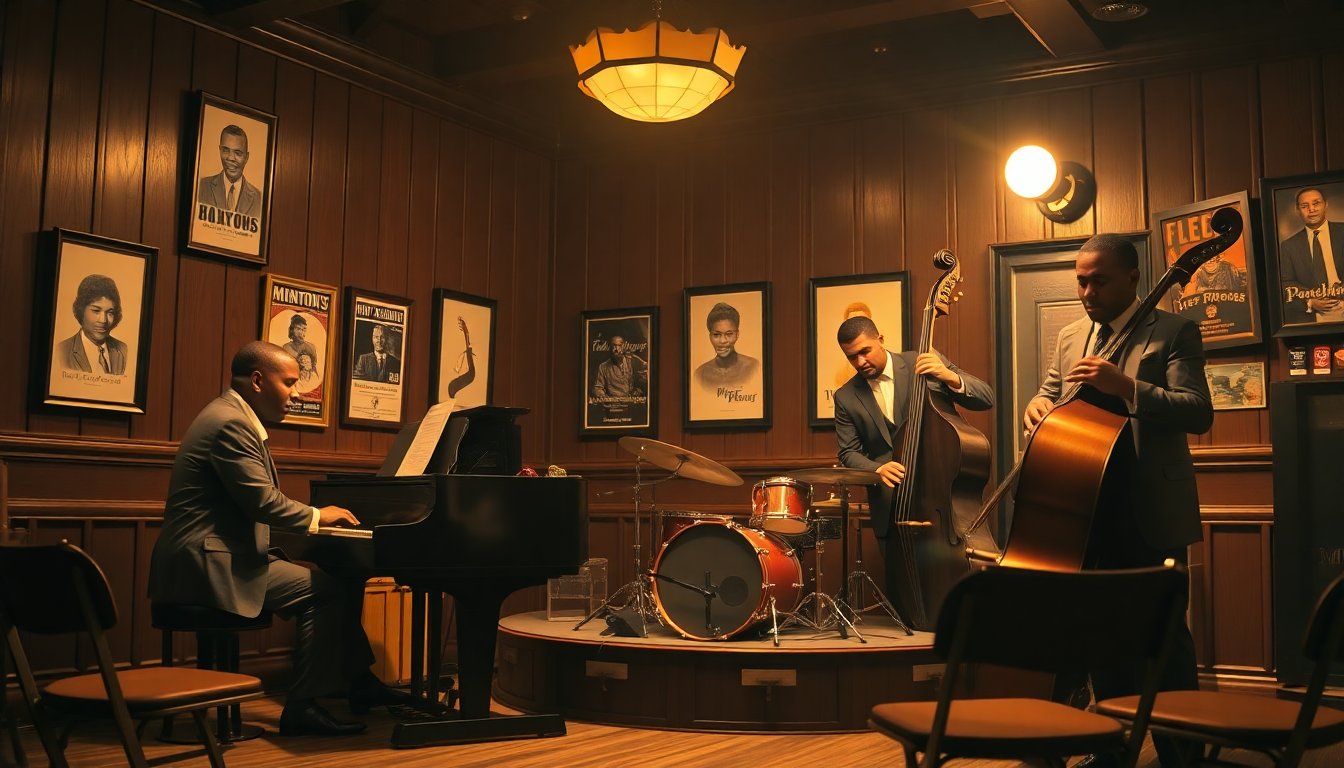
Minton’s Playhouse Harlem closed its original run and reopened in later decades at different sites. Preservation groups and historians highlighted the club’s role in bebop history. Museums display photos, posters, and instruments tied to the club. Modern venues and festivals program nights that reference Minton’s sessions. Jazz educators teach the musical techniques that formed there. Tour guides point to original locations and nearby markers. Listeners can hear recordings that document the club’s sound and read first-person accounts in archives and books.