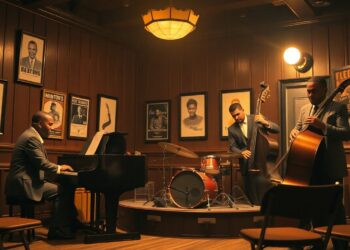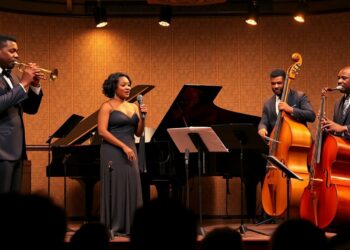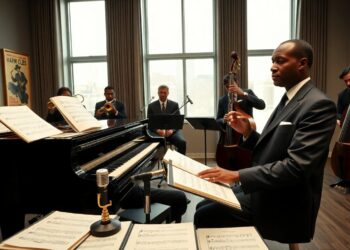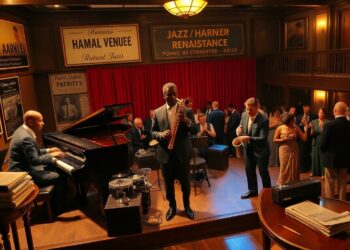

Harlem Renaissance jazz artists changed American music and culture in the 1920s. The artists mixed African American rhythms, blues, and showmanship. They made Harlem a musical center. Their music reached clubs, records, and national stages.
Key Takeaways
- Harlem Renaissance jazz artists revolutionized American music by blending African American rhythms, blues, and showmanship, making Harlem a cultural musical hub in the 1920s.
- Duke Ellington and Louis Armstrong were central figures who transformed jazz with innovative arrangements and improvisation that influenced generations of musicians.
- The Cotton Club and the Savoy Ballroom were pivotal venues where Harlem Renaissance jazz artists showcased their talents, setting new standards for performance and dance.
- Recordings and radio broadcasts helped spread Harlem Renaissance jazz artists’ music nationally, preserving their legacy and inspiring future musicians.
- Jazz from the Harlem Renaissance era significantly impacted literature, theater, and political movements, reflecting the social and cultural dynamics of the time.
- The legacy of Harlem Renaissance jazz artists continues today, with their creativity and cultural influence recognized in music education and modern performances.
Cultural And Social Context: Why Jazz Became Harlem’s Voice In The 1920s
Harlem Renaissance jazz artists arrived in Harlem after World War I. Migrants left the South and brought musical traditions. Club owners opened venues and hired bands. Record companies sought new sounds and recorded performances. Audiences in Harlem and beyond bought records and attended shows. Newspapers and magazines wrote about the music and the artists. The neighborhood offered space for expression and business. Musicians met writers, painters, and activists in social clubs and salons. These contacts spread jazz into literature, theater, and political life. The musical style reflected hope, protest, celebration, and everyday life.
Pioneering Artists Who Transformed Jazz
The Harlem Renaissance jazz artists included bandleaders, soloists, and vocalists. They shaped rhythm, harmony, and public image. Their work influenced later genres and performers. They recorded hits, toured widely, and changed performance standards.
Duke Ellington And The Cotton Club Sound
Duke Ellington led a band at the Cotton Club. He wrote arrangements that balanced swing with orchestral color. The Cotton Club gave Ellington steady work and national exposure. Radio broadcasts and recordings spread his music. Ellington composed pieces that described city life and moods. Audiences praised his refinement and sense of form. He hired soloists who created signature sounds. Ellington and his orchestra elevated dance music into art music. Critics and fans both acknowledged his role in changing American taste. He influenced many Harlem Renaissance jazz artists who followed.
Louis Armstrong: Improvisation, Persona, And Popular Breakthroughs
Louis Armstrong brought improvisation to the center of jazz. He played with bold tone and clear phrasing. His solos changed how musicians approached melody and rhythm. Armstrong recorded with small groups and big bands. He became a public figure through recordings and films. Audiences loved his humor and musical daring. Armstrong inspired singers to phrase like horn players. Musicians across the country copied his ideas and style. He stood among the most influential Harlem Renaissance jazz artists of the era.
Legacy And Influence: Venues, Recordings, Vocalists, And The Movement’s Long Reach
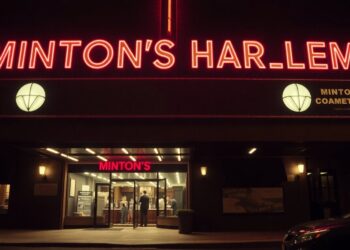
Harlem Renaissance jazz artists left a clear musical legacy. Clubs such as the Cotton Club and the Savoy Ballroom hosted key performances. These venues shaped dance styles and band standards. Recordings preserved performances and spread the music nationally. Vocalists like Bessie Smith and Adelaide Hall brought blues feeling into jazz. Younger musicians studied these records and copied phrasing and timing. Schools and conservatories later taught jazz as a rightful American art form. Historians and critics traced modern jazz, swing, and rhythm changes back to this era. Filmmakers and writers kept the stories alive in later decades. Musicians today still cite Harlem Renaissance jazz artists as models for creativity and cultural impact.