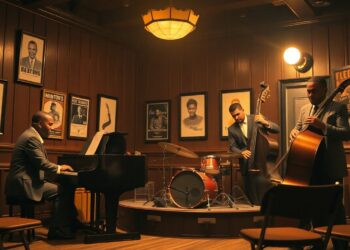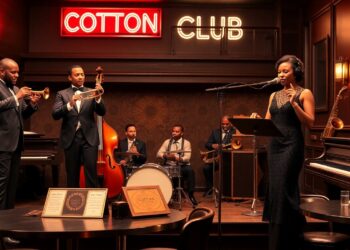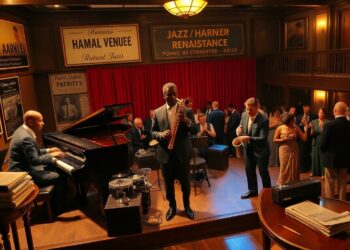
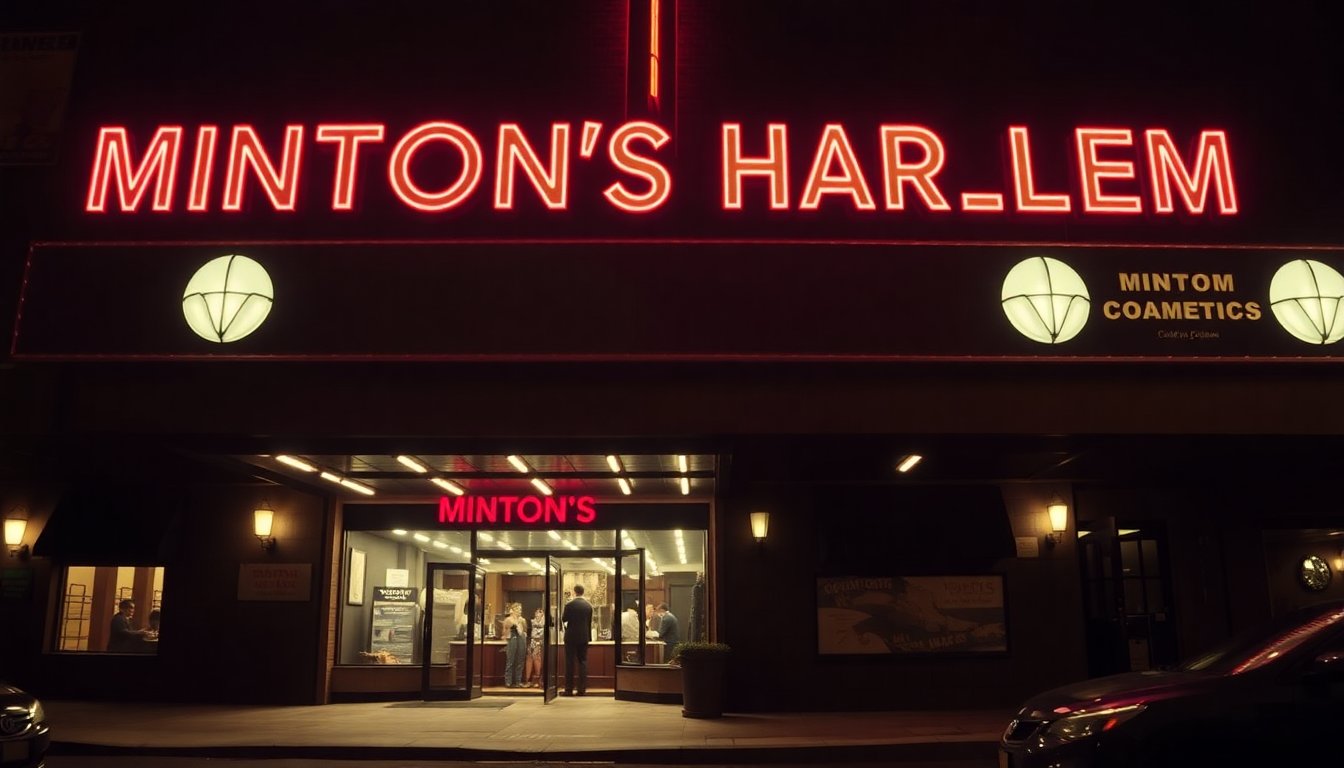
mintonsharlem refers to Minton’s Playhouse in Harlem. Historians cite the club as the site where musicians tested new ideas. Musicians met late at night and pushed jazz rhythms and harmonies. Listeners left with new sounds. The club helped shift jazz from dance music to an art form focused on improvisation and technique.
Key Takeaways
- Mintonsharlem, known as Minton’s Playhouse, was pivotal in transforming jazz into an art form centered on improvisation and technique.
- The club’s house band, featuring leading musicians like Thelonious Monk and Kenny Clarke, fostered innovation and raised jazz’s technical standards.
- Legendary all-night jam sessions at Mintonsharlem gave birth to bebop, emphasizing rapid tempos, complex harmonies, and individual expression.
- Musicians at Mintonsharlem introduced groundbreaking rhythmic and harmonic techniques that reshaped ensemble roles in jazz.
- Despite postwar decline, Mintonsharlem was revived and remains a celebrated venue showcasing bebop and educating visitors on jazz history.
- Today, Mintonsharlem offers live jazz, workshops, and exhibits, preserving its legacy as a cornerstone of Harlem’s cultural and musical heritage.
The Rise Of Minton’s Playhouse And Its Role In 1930s–40s Harlem
Minton’s Playhouse opened in Harlem in 1938. The owner, Henry Minton, created a space for musicians to play after hours. The club attracted pianists, horn players, drummers, and singers. The neighborhood provided a steady audience of local fans and visiting musicians. The scene at Minton’s reflected Harlem’s cultural energy in the late 1930s. The venue offered late-night jams that challenged standard arrangements. The sessions there gave musicians a place to test faster tempos and new chord choices. Critics later recognized Minton’s as a crucible for jazz change.
The House Band And The Key Players Who Shaped The Sound
Minton’s house band formed the backbone of the sessions. Teddy Hill hired pianist and leader, who kept the band tight. The pianist in that era, Thelonious Monk, played regularly. Drummer Kenny Clarke changed time-keeping inside the band. Horn players such as Charlie Parker and Dizzy Gillespie visited often. Saxophonists and trumpeters used the house band as a testing ground. Musicians swapped ideas and raised technical standards. Young players learned from veterans and refined phrasing and rhythm. The house band allowed performers to push solos and harmonic ideas in real time.
The Legendary Jam Sessions That Gave Birth To Bebop
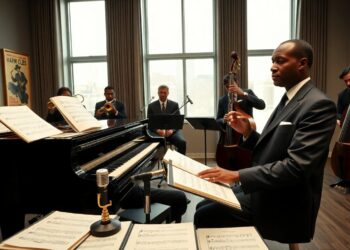
Musicians held all-night jam sessions at Minton’s. Players tried new scales and chord substitutions during those late hours. These sessions emphasized improvisation and individual expression. The jam sessions produced rapid, angular melodies and complex harmonies. Critics later labeled the new style “bebop.” Musicians used the sessions to rehearse fast tempos and unusual accents. Listeners heard radical solos and dense arrangements. The sessions created a shared language among players. That language spread to other clubs and recording studios.
Musical Innovations And Techniques Forged At The Sessions
Players introduced new rhythmic concepts at Minton’s. Drummers shifted pulse from bass drum to ride cymbal. Pianists added dissonant chords and unexpected voicings. Soloists used extended chromatic lines and altered tones. Musicians experimented with chord substitutions and rapid key changes. The group practiced head arrangements and call-and-response patterns. They shortened accompaniment patterns to spotlight solos. These changes reshaped ensemble roles in jazz bands. The innovations from those sessions spread through performances and recordings.
Decline, Revival, And The Club’s Modern Legacy
Minton’s faced decline after World War II. Changing tastes and venue pressures reduced late-night sessions. The club closed and reopened several times in later decades. City preservationists and musicians worked to keep its memory alive. In the 1970s and 1980s, revivals celebrated Minton’s role in jazz history. Modern musicians honored the club by playing bebop standards and original compositions. Today historians place Minton’s at the center of a major stylistic shift in jazz. The club’s name appears in books, documentaries, and museum exhibits.
Visiting Minton’s Today: What To Expect And Where To Learn More
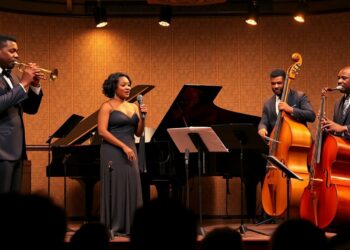
Minton’s operates as a club that honors its history. Visitors find live jazz, historical photographs, and program notes. The venue hosts modern bands that play bebop and post-bop. Tourists and students can attend shows and workshops. Museums in New York City offer exhibits about Harlem and jazz history. Books and documentaries provide deeper context about Minton’s. Readers can consult biographies of Thelonious Monk, Charlie Parker, and Dizzy Gillespie for first-hand accounts. Visitors should check event schedules before they go.