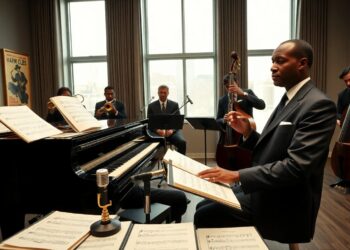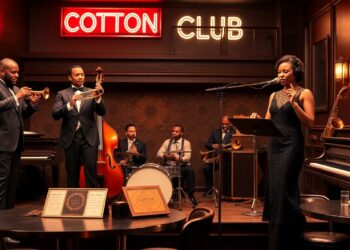
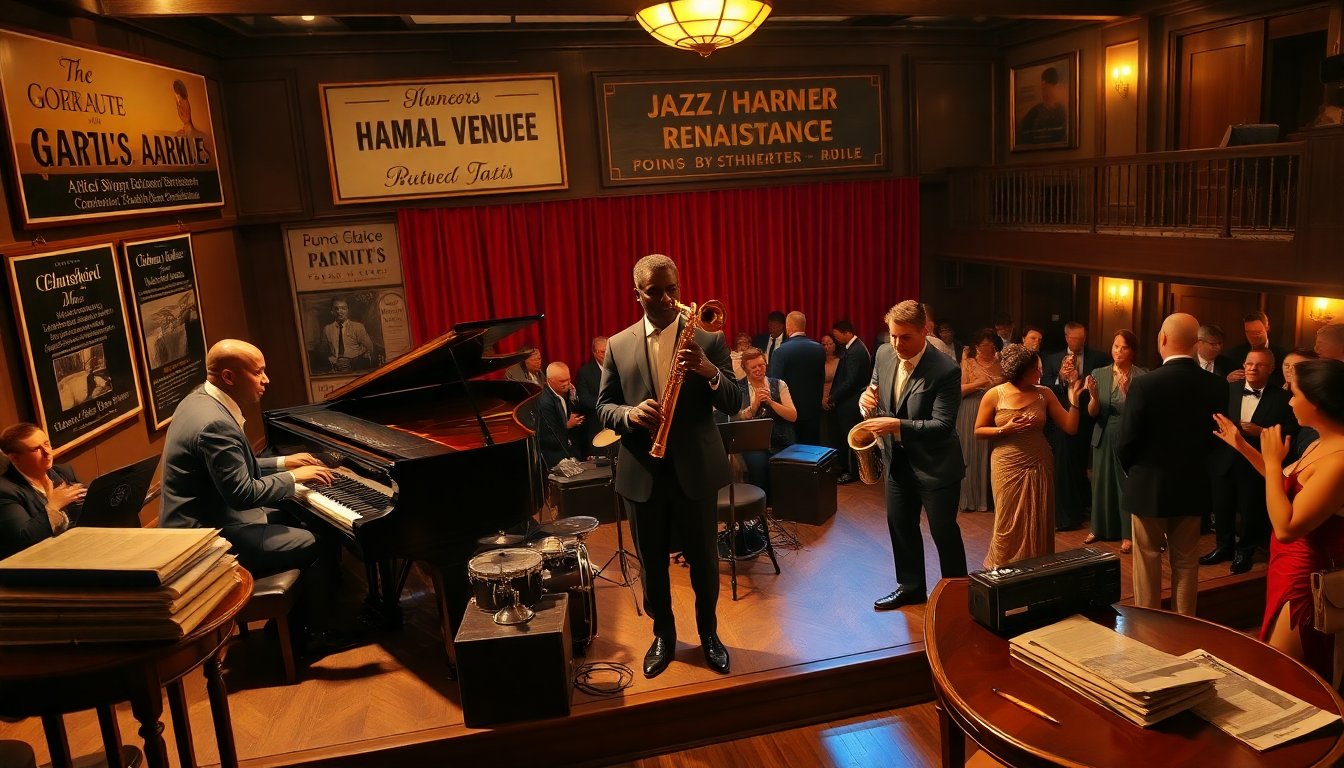
Jazz music in the Harlem Renaissance changed American culture and city life. The movement gave Black musicians new audiences and new power. Harlem streets, clubs, and theaters hosted music and conversation. Artists mixed beats, blues, and tradition. Historians link this music to social change, racial pride, and artistic innovation. The article explains roots, sound, figures, venues, and political effects of jazz music in the Harlem Renaissance.
Key Takeaways
- Jazz music in the Harlem Renaissance transformed American culture by blending blues, gospel, and urban rhythms to create innovative and dynamic sounds.
- Harlem’s vibrant venues and community spaces like the Savoy Ballroom provided vital support that sustained jazz musicians and nurtured creative exchange.
- Iconic Harlem musicians shaped national tastes, expanding jazz’s reach through recordings, tours, and performances, helping Black talent gain wider recognition.
- Innovations in rhythm, improvisation, and arrangement made jazz performances exciting and unpredictable, establishing improvisation as a core artistic skill.
- Jazz in the Harlem Renaissance was deeply connected to cultural politics, promoting racial pride and influencing literature, fashion, and future American music genres.
The Musical Roots And Urban Context Of Harlem Jazz
Harlem drew migrants from the South and Caribbean. They brought songs, rhythms, and performance customs. Jazz music in the Harlem Renaissance grew from blues, ragtime, gospel, and brass bands. Musicians met in churches, rent parties, and street corners. Record companies and theaters sent agents to Harlem. The city offered steady work and creative exchange. Musicians adapted rural styles to urban ensembles. That change shaped new rhythms and set lists. The neighborhood gave musicians an economy and an audience they lacked elsewhere.
Innovations In Sound: Rhythm, Arrangement, And Improvisation
Musicians altered tempo and syncopation to create forward drive. Jazz music in the Harlem Renaissance emphasized swing and offbeat accents. Arrangers moved melody between horns and piano. Players developed call-and-response patterns. Improvisation became a public skill and a mark of artistry. Bands used sectional writing to balance solos and ensemble parts. Drummers and bassists changed timekeeping to lock the groove. Horn players expanded tone and phrasing. These changes made live shows unpredictable and exciting. Audiences learned to expect invention each night.
Iconic Musicians And Ensembles
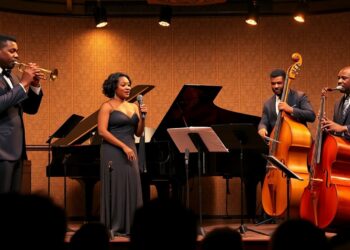
Harlem produced leaders who shaped national taste. Bands and soloists from Harlem toured, recorded, and influenced radio. The scene sustained orchestras, small groups, and solo acts. Musicians honed craft in local gigs and studio sessions. They transformed songs into standards that other players copied. The prominence of these artists helped record labels invest in Black talent. Through performance and recordings, Harlem voices reached new audiences. That spread the sound and vocabulary of jazz across the country.
Venues, Nightlife, And Community Spaces That Fueled Jazz
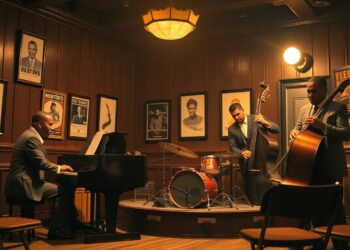
Clubs, ballrooms, and private parties kept musicians working. Venues such as the Savoy and small Harlem halls booked bands nightly. Rent parties and house concerts provided income and testing grounds. Churches and social clubs hosted daytime rehearsals and evening shows. Promoters and managers organized tours and residencies. Dancers and audiences shaped set lengths and arrangements. Local newspapers and radio listed gigs and reviewed shows. These spaces created a circuit that sustained the scene and allowed jazz music in the Harlem Renaissance to thrive.
Jazz, Cultural Politics, And The Movement’s Lasting Influence
Writers, painters, and intellectuals celebrated jazz as modern expression. Leaders used performances to argue for racial dignity and cultural value. Critics debated commercialization and artistic merit. Musicians responded by recording original compositions and by asserting control of repertoire. Jazz music in the Harlem Renaissance influenced literature, fashion, and dance. Schools and conservatories later taught jazz forms and history. The sound shaped later genres and American popular music. Historians now view Harlem jazz as a foundation for national cultural change.