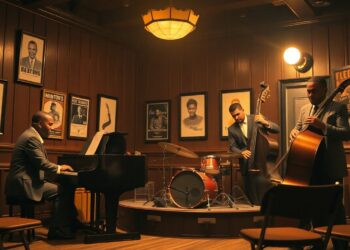
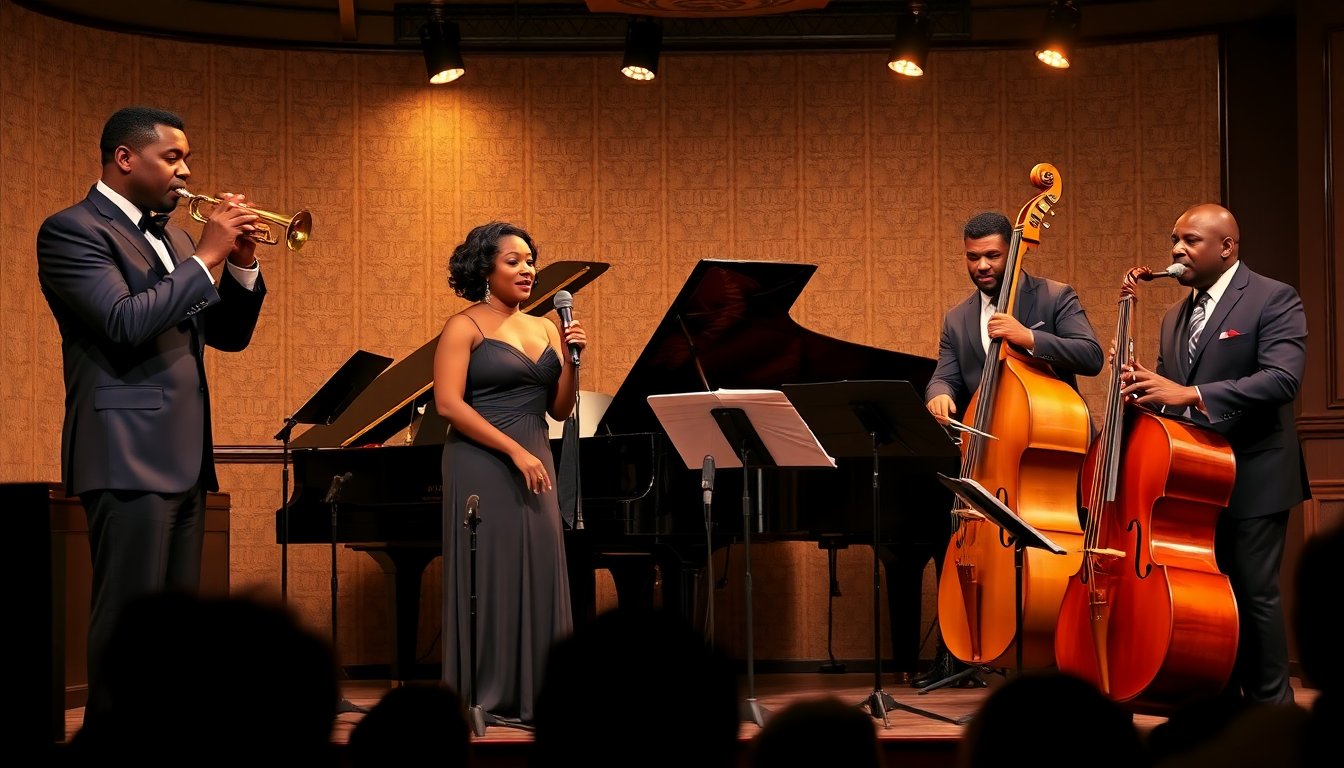
This article lists prominent African American jazz performers during the Harlem Renaissance and explains their roles. It names key musicians and singers and gives short context. It shows how these performers changed music and culture in the 1920s and 1930s.
Key Takeaways
- Prominent African American jazz performers during the Harlem Renaissance, like Duke Ellington and Louis Armstrong, transformed jazz into a nationally recognized art form through innovation in composition and solo performance.
- These musicians gained steady work in Harlem’s vibrant club scene, which helped them experiment with new rhythms and styles that shaped jazz’s evolving sound in the 1920s and 1930s.
- Jazz performers such as Billie Holiday and Bessie Smith brought emotional depth to vocals, bridging blues and jazz and influencing future generations of singers.
- Their recordings and live performances spread jazz beyond Harlem, opening doors for Black artists in theater, film, and radio, thereby challenging racial stereotypes and increasing visibility.
- The Harlem Renaissance jazz artists set foundational standards for soloing, arranging, and singing techniques that continue to influence modern music genres like swing, bebop, and R&B.
How Jazz Blossomed During the Harlem Renaissance
Jazz grew in Harlem after World War I. Musicians moved to New York and played in clubs and theaters. Audiences listened in rent parties, speakeasies, and nightclubs. Record companies recorded songs and spread jazz nationwide. Black newspapers covered concerts and built support for bands. Young players adapted blues, ragtime, and popular song. The mix of styles gave jazz a fresh pulse.
City life shaped the sound. Musicians responded to social change and urban life. Harlem offered regular gigs and steady work. Club owners hired bands and singers who drew crowds. Dance trends made big bands and soloists more popular. Musicians also taught each other and experimented with new rhythms. That exchange created new solos, new arrangements, and new forms.
The Harlem Renaissance gave artists public space. Writers, painters, and musicians shared stages and ideas. Collaboration gave jazz legitimacy. Critics and patrons began to see jazz as serious music. Schools and private teachers trained players. Brass bands and small combos coexisted. This variety helped jazz grow into a national art form.
Ten Prominent African American Jazz Performers To Know
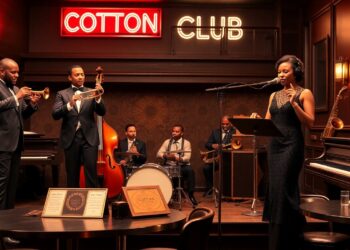
Duke Ellington led a band at the Cotton Club. He wrote tunes that mixed melody and rhythm and gave the big band a distinctive voice. Duke Ellington helped move jazz toward composition and arrangement.
Louis Armstrong changed jazz with his trumpet and singing. He played bold solos and used improvisation to shape solos. Louis Armstrong influenced players worldwide and helped bring jazz to solo performance.
Bessie Smith sang with a powerful voice and recorded blues that reached wide audiences. She worked with notable jazz musicians and brought emotional depth to popular songs. Bessie Smith made blues and jazz cross over.
Fletcher Henderson arranged bands and led one of the most important early big bands. He created charts that later bands used as models. Fletcher Henderson helped standardize the swing section roles.
Billie Holiday sang with a unique tone and phrasing. She interpreted lyrics with a personal touch and influenced generations of singers. Billie Holiday performed with top bands and created memorable recordings.
Count Basie led a small group that used rhythm and space to create a swinging feel. His band emphasized groove and solo space. Count Basie shaped the sound of small-group swing.
Ethel Waters worked as a singer and actress. She recorded both blues and popular songs. Ethel Waters reached Broadway and film and helped bring jazz vocalists into new media.
James P. Johnson bridged ragtime and jazz on the piano. He wrote pieces that dancers used in shows. James P. Johnson influenced stride pianists and helped set harmonic directions.
Sidney Bechet played soprano saxophone and clarinet with bright tone and strong vibrato. He recorded expressive solos that stood out in early jazz. Sidney Bechet helped show how wind solos could lead a band.
Fats Waller combined showmanship with piano skill and songwriting. He wrote fun and clever pieces and played with flair. Fats Waller brought humor and warmth to jazz performance.
These ten performers represent a range of roles. Some led bands. Some defined solo playing. Some shaped vocal style. Each performer taught others and widened public interest in jazz.
Legacy: How These Performers Shaped Jazz And American Culture
These performers created new musical forms and songs that others copied and adapted. They set standards for soloing, arranging, and singing. Schools and conservatories later taught techniques that came from their work.
Their recordings moved jazz from local scenes to national audiences. Records and radio broadcasts made their music available across the United States. Tour dates and club residencies spread their styles to cities outside New York.
They also opened doors for Black artists in theater, film, and radio. Their visibility challenged stereotypes and created demand for more Black performers. Agents and producers began to hire Black musicians for larger venues.
Writers and critics began to analyze jazz as art. Journalists and scholars used terms and concepts that came from these performers’ work. That framing helped musicians gain respect in mainstream culture.
Their melodies, rhythms, and performance practices entered popular music. Later genres, including swing, bebop, and R&B, drew on ideas that started in Harlem. Modern players still use phrases and techniques that these performers introduced.
Museums and archives now preserve their recordings, papers, and instruments. Educators continue to teach their music. Festivals and tribute concerts keep their names alive. Their work remains a reference point for musicians and historians.