
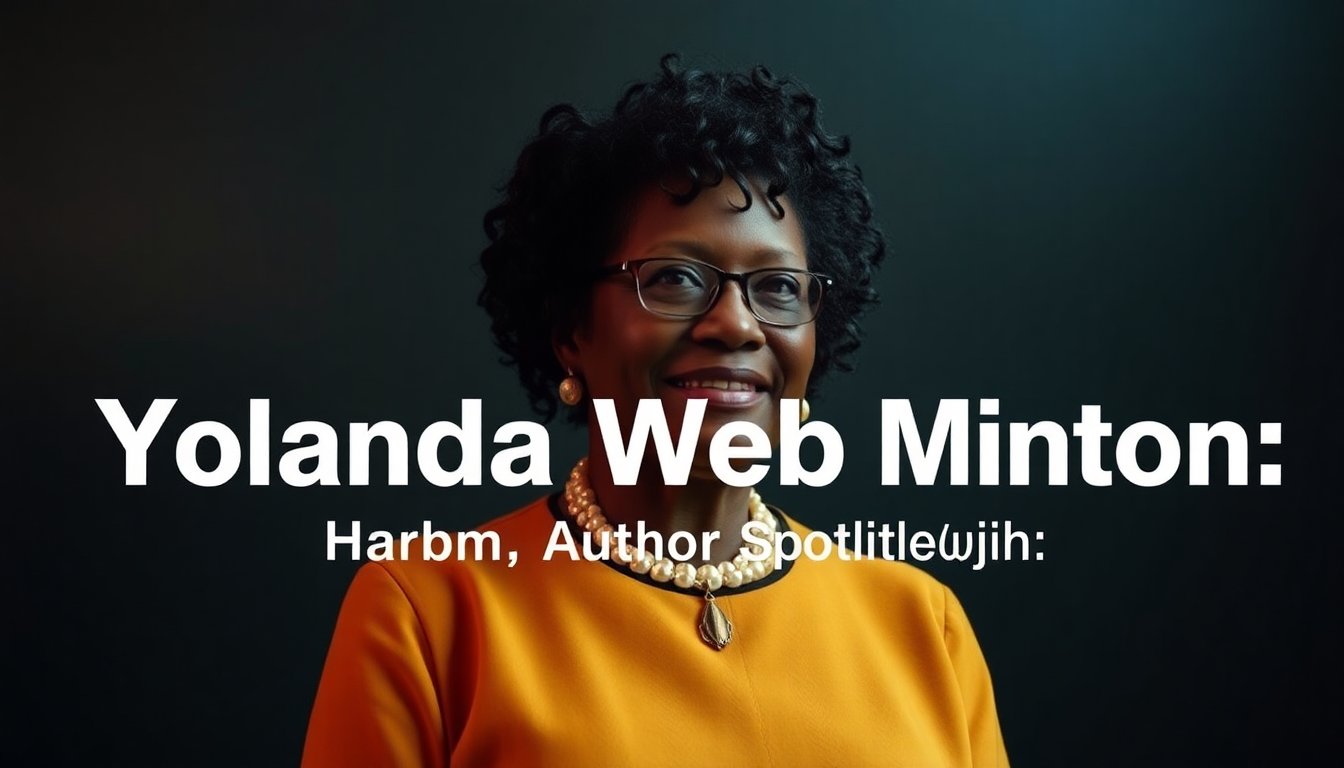
yolanda webb mintonsharlem author is a Harlem writer who writes about place, family, and memory. She draws on neighborhood scenes and personal history. Her voice stays direct and clear. This profile summarizes her life, books, themes, and local work. It aims to help new readers start and to give reading groups concrete prompts.
Key Takeaways
- Yolanda Webb Minton is a Harlem author who vividly captures her neighborhood’s life through clear, detailed storytelling about family, memory, and place.
- Her literary work, praised for precision and honesty, draws from everyday scenes and conversations rooted in her Harlem upbringing.
- Minton’s style emphasizes plain, observant prose that highlights small acts and objects to build powerful narratives about change and care.
- She actively contributes to Harlem’s literary community by teaching creative writing, leading workshops, and supporting local presses to amplify neighborhood voices.
- New readers should begin with her short stories to grasp her rhythm and then progress to essays and longer works to explore recurring themes deeply.
- Reading groups can engage with her work by focusing on how small details and scene placement create meaning and reflect the influence of Harlem’s local life.
Early Life, Harlem Roots, And Formative Experiences
Yolanda Webb Minton grew up in Harlem and watched the block change. She lived near brownstones, corner shops, and churches. Her family spoke often about work, art, and local news. Those conversations shaped her sense of detail and timing. She attended public schools in the neighborhood and read local papers. Early mentors gave her books and time to write. She took notes on street life, church services, and family meals. Those notes later became scenes in short stories and essays. Her Harlem roots remain a steady subject in her work.
Literary Career: Books, Milestones, And Critical Reception
Yolanda Webb Minton published her first collection after a decade of essays and stories. Critics praised her clear sentences and precise scenes. Reviewers noted her attention to ordinary detail and her restraint in drama. Awards followed for regional fiction and nonfiction. She read at city libraries and at local festivals. Small presses helped her find readers early on. Later editions expanded her audience beyond Harlem. Her books appear in university syllabuses and community programs. Sales stayed modest but steady, and her work drew steady critical interest for its honesty and craft.
Themes, Voice, And Stylistic Influence
Her work centers on family, memory, and labor. She writes about daily routines and small losses. Her voice stays plain and observant. She uses short scenes to build larger arguments about change and care. Her sentences favor clarity and quiet power. She borrows rhythms from conversation and church speech. Critics compare her to midcentury urban realists and to contemporary neighborhood writers. She influences younger writers who want direct language and scene-based storytelling. Her style resists ornament and asks readers to notice small acts and small objects.
Community Engagement, Teaching, And Local Impact In Harlem
She taught creative writing at neighborhood centers and at a local college. She led workshops that focused on life-writing and short fiction. Her classes asked students to write about a single block or one relative. Local readers named her a steady presence at readings and book drives. She partnered with libraries to bring free events to children. She helped set up a small press that published neighborhood voices. Those efforts raised local literacy and created new local authors. Her impact shows in new writers who cite her as a first teacher.
How To Read Her Work: Approaches For New And Returning Readers
New readers should start with short pieces to learn her rhythm. Returning readers should track recurring images, such as chairs, stoops, and church hymns. Read slowly and note how small acts add up to a life. Look for repeated verbs and small objects that carry weight. Pay attention to how she places scenes in time and then circles back to an earlier detail. That method reveals how she builds meaning from ordinary facts.
Best Books To Start With And Recommended Reading Order
Start with her short story collection, which shows her range in brief scenes. Next read her essays, which give direct context to her fiction. Then read her longer work, where she expands recurring themes. A simple order: short stories, essays, then the longer book. This order lets readers learn her voice, then see how she uses it at larger scale. Readers will find echoes of early scenes in later chapters.
Discussion Questions And Reading-Group Prompts
What small object appears most and why does it matter? How does she use place to shape character? Which scenes feel like memory and which feel like report? Discuss how her sentence length affects tone. Ask each member to bring one detail from their neighborhood and compare how she treats local life. Use these prompts to keep conversation focused on craft and meaning.