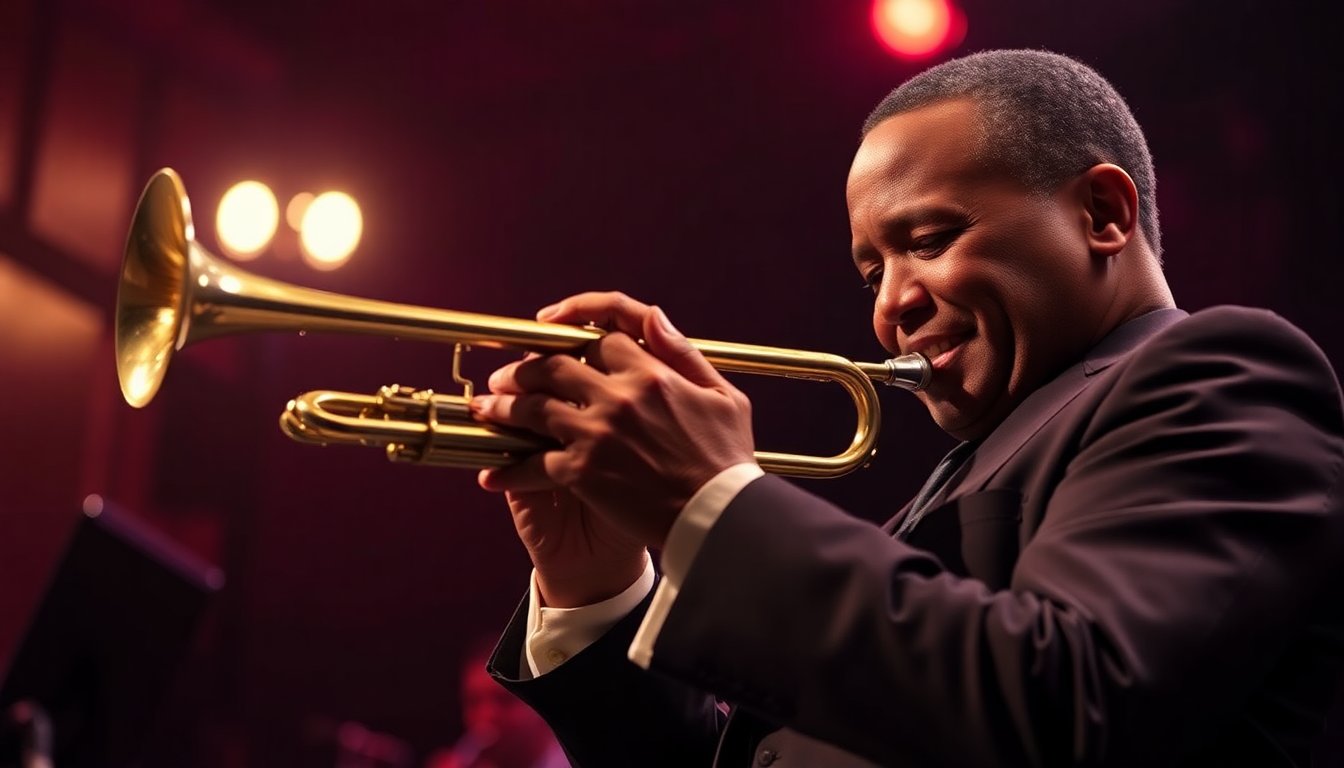
What explains Louis Armstrong’s significance to jazz during the Harlem renaissance? The question focuses on his sound, his role, and his reach. He changed how soloing worked. He made jazz a mass art form. He shaped public views of Black musicians. This article lists clear reasons. It ties his life, recordings, and public persona to the larger cultural shift in the 1920s.
Key Takeaways
Louis Armstrong revolutionized jazz during the Harlem Renaissance by pioneering solo-centric performances that elevated individual expression within the genre.
His recordings with the Hot Five and Hot Seven made jazz accessible to a national audience through radio and records, transforming it into a mass art form.
Armstrong’s innovative trumpet techniques, including his tone and rhythmic swing, set new standards that influenced generations of jazz musicians.
He shaped public perceptions of Black musicians by cultivating a charismatic public persona that appealed to diverse audiences and challenged racial boundaries.
Armstrong’s conversational improvisational style taught musicians to create expressive, narrative solos, raising the artistry of jazz soloing.
His long-term influence endures in jazz education and performance, as subsequent styles like bebop and swing built upon his groundbreaking work.
The Cultural And Musical Landscape Of The Harlem Renaissance
The Harlem Renaissance changed American culture and music. Artists and writers in Harlem promoted Black creativity and pride. Jazz moved from local dance halls to theaters and clubs. Musicians mixed blues, ragtime, and popular song. Audiences grew in cities and on radio. What explains Louis Armstrong’s significance to jazz during the Harlem Renaissance ties to this shift. He arrived when Harlem needed a clear musical leader. He offered a style that matched the movement’s energy and public ambitions.
Armstrong’s Early Years: From New Orleans To The Hot Five And Hot Seven
Armstrong learned music in New Orleans. He played in brass bands, riverboats, and clubs. He moved north and joined larger recording projects. The Hot Five and Hot Seven sessions captured his innovative work. Those records highlighted his solos and personality. What explains Louis Armstrong’s significance to jazz during the Harlem Renaissance appears in those sides. They reached listeners beyond local venues. They made his solos models for other players and proved that one player could carry a band’s statement.
Technical Innovations: Tone, Rhythm, And The Birth Of Solo-Centric Jazz
Armstrong changed trumpet technique and rhythmic feel. He widened his tone and used strong vibrato. He placed notes against the beat to create swing. He emphasized single-line solos over group improvisation. This shift created a new solo-focused jazz style. What explains Louis Armstrong’s significance to jazz during the Harlem Renaissance rests on these technical moves. Other musicians adopted his approach. Composers wrote parts that let soloists speak. The solo became the main expressive unit in jazz.
Improvisation And Phrasing: Why Armstrong’s Solos Felt Like Conversations
Armstrong used clear musical sentences. He varied rhythm and melody to reply to the band. He shaped phrases with breath and timing. Listeners heard a narrative in each solo. Musicians heard models for phrasing and idea development. What explains Louis Armstrong’s significance to jazz during the Harlem Renaissance shows in how he made improvisation conversational. He taught players to build logical musical arguments. That practice raised the art of soloing and made jazz more expressive to wider audiences.
Recordings, Radio, And The New Mass Audience For Jazz
Armstrong recorded widely during the 1920s and 1930s. His Hot Five and Hot Seven records sold well. Radio broadcasts carried his music to rural and urban listeners. Records and radio created a national audience. What explains Louis Armstrong’s significance to jazz during the Harlem Renaissance includes his presence on these media. He became a recognizable voice and a sounding example of jazz to people who never visited Harlem clubs. This exposure raised jazz from regional entertainment to national culture.
Public Persona, Scat Singing, And Challenging Racial Boundaries
Armstrong cultivated a warm, playful public image. He used humor and charm in recordings and films. He popularized scat singing in recorded hits. His persona made audiences relate to him as an artist and personality. What explains Louis Armstrong’s significance to jazz during the Harlem Renaissance also includes his public role. He crossed some racial lines by appealing to white audiences while remaining rooted in Black musical traditions. That dual reach widened jazz’s appeal and complicated social views of Black performers.
Immediate And Long-Term Influence: How Armstrong Shaped Future Generations
You can trace later jazz styles to Armstrong’s choices. Bebop and swing players learned from his phrasing and rhythmic drive. Educators used his recordings as study material. What explains Louis Armstrong’s significance to jazz during the Harlem Renaissance appears in this lineage. He established st