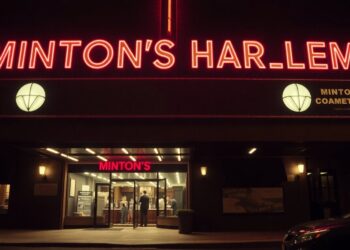
mintonsharlem yolanda webb helped reignite interest in a key Harlem jazz venue. The singer brought focus to Minton’s Harlem through performances and public events. The article explains the club’s history, Webb’s background, her role at Minton’s, and the recordings that keep the music alive.
Key Takeaways
- Yolanda Webb played a pivotal role in revitalizing Minton’s Harlem by attracting diverse audiences and hosting community-focused jazz events.
- Minton’s Harlem is historically significant for its role in shaping bebop and modern jazz through extended jam sessions featuring legends like Thelonious Monk and Charlie Parker.
- Webb’s performances emphasized improvisation and collaboration, mentoring young musicians and fostering a vibrant jazz community.
- Through live recordings and collaborations linking original and new jazz artists, Webb helped preserve and promote Minton’s Harlem’s musical legacy.
- Educational initiatives and social media by Webb expanded the club’s reach, increasing attendance and boosting local business around the venue.
- Her ongoing efforts in benefit concerts and interviews have sustained Minton’s Harlem’s cultural importance and inspired future jazz talents.
The Historical Significance Of Minton’s Harlem In Jazz History
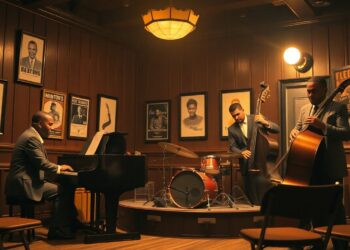
Minton’s Harlem served as a testing ground for new jazz ideas. Musicians met there to play extended jam sessions and try new rhythms. The club shaped bebop and modern jazz by giving players space to experiment. Young artists like Thelonious Monk and Charlie Parker played long sets and refined their style at Minton’s Harlem. Critics and fans later cited those sessions as turning points in jazz. Record producers and club owners drew attention to the innovations that emerged. Minton’s Harlem became a symbol of creative risk and musical craft in Harlem. The venue also connected Black musicians with a wider public and helped change how jazz evolved in the twentieth century.
Yolanda Webb: Background, Training, And Musical Influences
Yolanda Webb grew up listening to gospel and jazz. She trained in voice at a city conservatory and worked in small clubs before she joined larger stages. Webb studied phrasing and timing with local teachers and with retired jazz singers. She named Ella Fitzgerald and Sarah Vaughan among her early influences. Webb learned to read charts and to lead a rhythm section. She worked with pianists and drummers to shape her live sound. Critics praised Webb for clear tone and strong rhythm feel. She recorded standards and new tunes and she kept a steady performance schedule. Webb moved to Harlem when she wanted closer work with jazz ensembles. Her move put her near historic venues and near musicians who valued improvisation and swing.
Yolanda Webb At Minton’s: Performances, Repertoire, And Community Impact
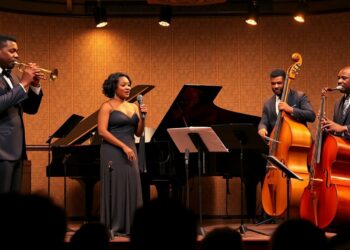
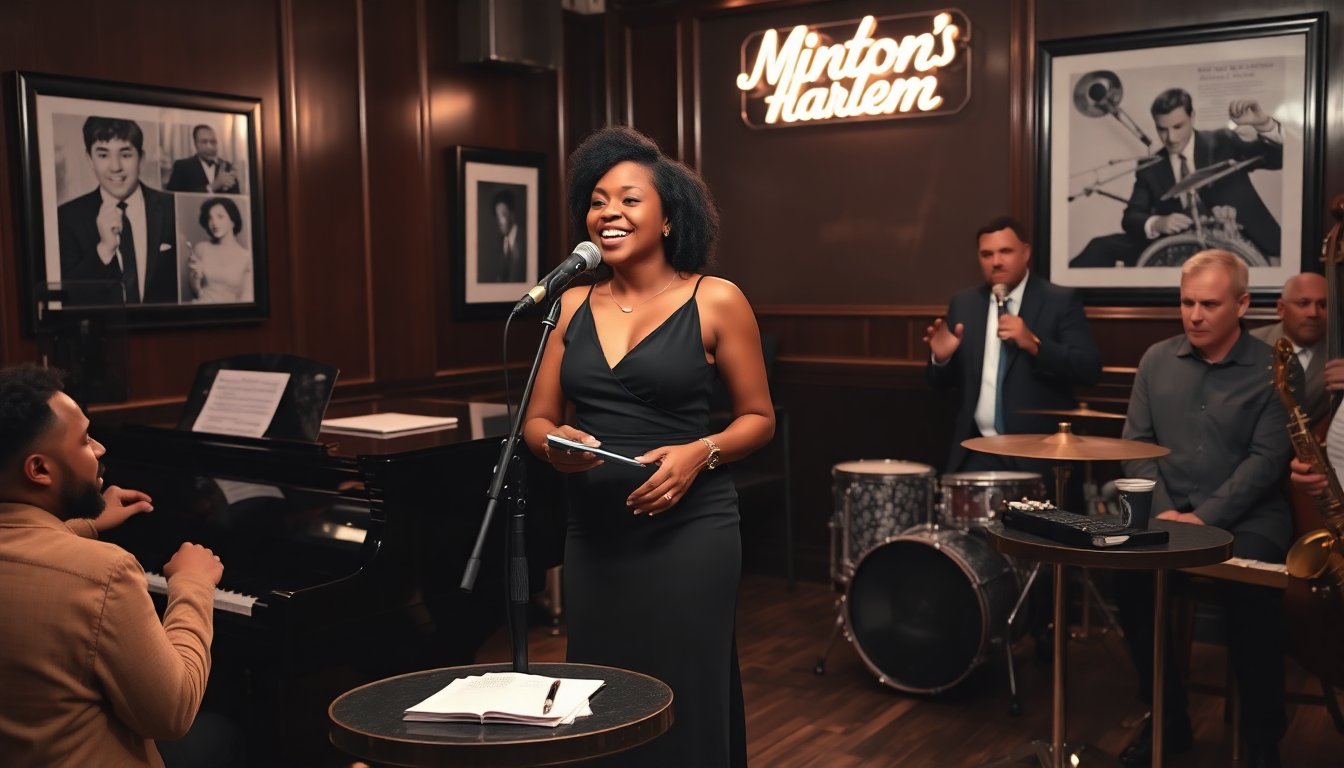
Yolanda Webb began appearing at Minton’s Harlem in a residency that drew local attention. She sang standards and new compositions that fit the club’s late-night energy. Webb chose songs that allowed improvisation and that highlighted horn players. Her sets featured call-and-response sections and clear phrasing that local musicians admired. The singer invited young instrumentalists to sit in and to learn from older players. Those invites created mentoring moments onstage and after shows. Local press covered Webb’s residency and noted a steady rise in attendance. The club saw more diverse audiences, and students from nearby schools came to listen. Webb worked with the club management to host educational nights. Those nights offered short talks about jazz history and live demonstrations. The events drew families and helped connect new listeners to the music. Minton’s Harlem benefited from renewed bookings and from a sense that the venue mattered again. Webb also used social media to share short videos of her shows and to post commentary from band members. The posts reached listeners who could not attend and who later bought recordings and tickets. Local businesses near the club reported higher foot traffic on show nights. The singer so helped the venue with both artistic and economic support.
Notable Recordings, Collaborations, And Ongoing Legacy
Yolanda Webb captured some Minton’s Harlem sets on live albums and on session recordings that highlighted the club’s sound. Producers recorded her voice with small groups that included tenor sax and upright bass. Those records kept the club’s repertoire in circulation. Webb collaborated with veteran players who had links to the original Minton’s era and with young arrangers who added fresh charts. The collaborations produced tracks that reviewers called soulful and direct. Jazz radio stations and streaming playlists later featured those tracks, and that exposure widened interest in Minton’s Harlem. Schools used the recordings to teach students about swing and phrasing. Musicians cited Webb’s work when they sought models for live singing in small clubs. Local historians used interviews with Webb to document the club’s recent period. The singer also appeared at benefit concerts that raised money for building repairs and for music education. Those concerts funded repairs and created scholarships for young players. The combined effect kept Minton’s Harlem on the cultural map. Future singers and players continue to reference Webb’s residency when they describe the club’s recent revival. Her recordings and her community work make her a visible link between past and present.