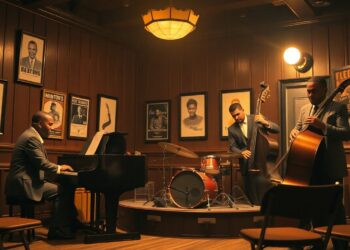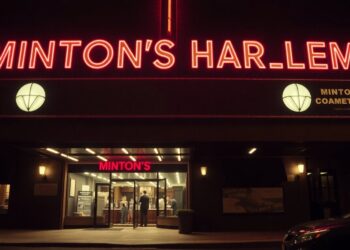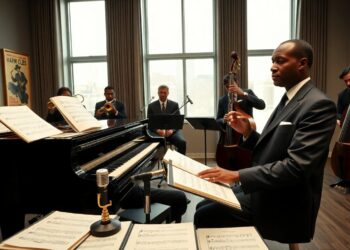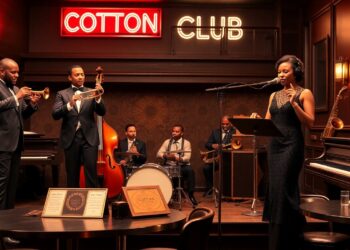
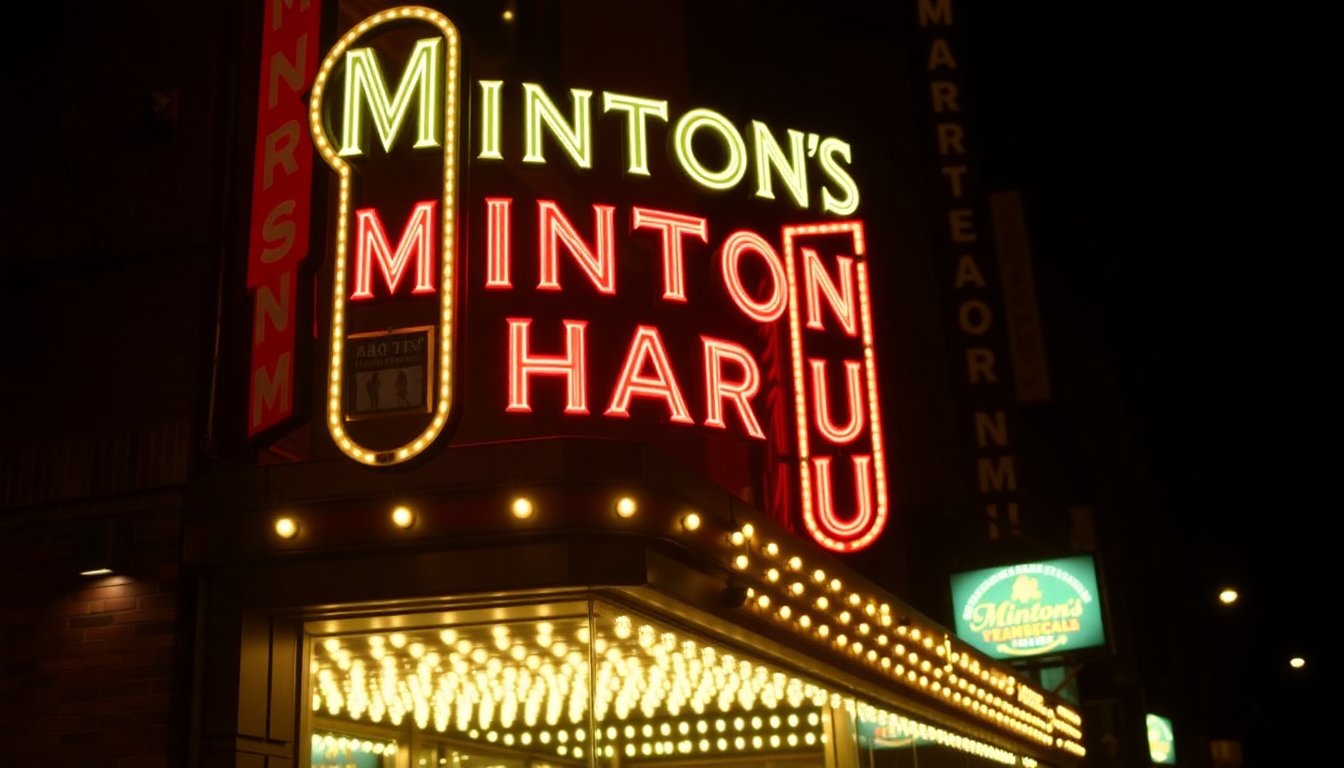
Minton’s in Harlem opened as a small venue that changed jazz history. The club drew musicians, composers, and curious listeners. It offered late-night sessions that allowed players to test new ideas. Historians cite the club as a birthplace of bebop. The site also reflected Harlem life during the 1930s and 1940s.
Key Takeaways
Minton’s in Harlem, opened in 1938, became a pivotal jazz venue known as the birthplace of bebop.
The club’s late-night jam sessions fostered musical innovation, encouraging experimentation with rhythm and harmony by artists like Thelonious Monk and Kenny Clarke.
Minton’s served as a cultural hub reflecting Harlem’s diverse community during the 1930s and 1940s, drawing musicians and audiences from different backgrounds.
Modern jazz owes much to Minton’s in Harlem, where legendary musicians developed techniques and styles that shaped the genre.
Today, Minton’s operates as a preserved historic site offering live jazz shows, educational programs, and tours that celebrate its rich musical legacy.
Visitors should plan ahead to experience Minton’s current events, as shows often sell out and the venue maintains policies to ensure a quality live music experience.
The Birth of Minton’s Playhouse: Origins, Owners, and 1930s Harlem Context
Mintons in harlem began in 1938. The owner, Henry Minton, opened the club to serve local patrons and touring musicians. The venue stood on West 118th Street. The neighborhood showed high artistic energy and economic strain. The club offered food, drink, and late hours. Musicians found work there after other clubs closed.
The owners kept the door open late. The club hosted informal jam sessions after midnight. The sessions attracted pianists, horn players, and drummers. The musicians experimented with rhythm and harmony. The club tolerated risk and new sound. People in Harlem treated the place as both a hangout and a lab.
The club’s audience reflected Harlem’s mix. Professionals, students, and artists sat together. The neighborhood shaped the music and the style. The club proved resilient through the war years. Local papers noted the steady crowds and the lively scene. The presence of New York theaters and clubs gave musicians multiple work options. Minton’s in Harlem became a key stop on that circuit.
The Musical Legacy: Bebop, Jam Sessions, and the Innovators Who Shaped Modern Jazz
Minton’s in Harlem hosted jam sessions that produced new musical language. The players tested fast tempos and altered chord structures. The house pianist, Thelonious Monk, played complex voicings. Drummer Kenny Clarke shifted timekeeping to the ride cymbal. Saxophonists and trumpeters pushed melodic lines into new space.
Young players arrived to learn and to compete. They challenged each other with solos and with written changes. The sessions rewarded invention and punished imitation. Charlie Parker and Dizzy Gillespie visited and took ideas back to other gigs. The club allowed them to refine phrasing and to expand harmonic vocabulary. Musicians left with new riffs and new approaches to rhythm.
Band leaders and critics later labeled the style bebop. The label stuck because the music sounded different and aggressive. The innovations affected arrangements, small-group playing, and improvisation. The effects reached radio broadcasts and record sessions. Teachers and students later taught elements that started at the club. Musicians credited the club with creating a shared practice space and a culture of experimentation.
Writers, photographers, and filmmakers documented the scene. Their work preserved the look and the sound. The documentation helped historians trace changes in jazz style. The club hence holds a clear place in music history. Musicians still name Minton’s in Harlem when they describe the period that led to modern jazz.
Minton’s Today: Preservation, Visiting Practicalities, and Its Continuing Cultural Role
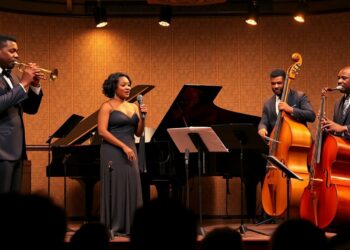
Minton’s in Harlem reopened in later decades with a focus on history and live music. Preservationists worked to keep the name and the legacy alive. The current venue showcases jazz shows and curated events. The staff programs local artists alongside national acts.
Visitors find displays and photographs that explain the club’s role. The venue offers guided tours on select days. The tours point out a piano, posters, and archival images. The staff provides clear details about dates and artists. The club posts schedules online and on social channels.
Practical visitors should buy tickets early. The shows often sell out for headline events. The venue provides table seating and standing room. The club enforces a dress code and an entry policy to keep shows on time. The staff suggests arriving thirty minutes early for seating and drinks.
The place also supports education. The venue hosts workshops, panels, and school visits. Musicians teach technique and history in short sessions. The club partners with local groups to fund programs and to reach youth. This outreach keeps the music active and accessible.
Scholars and fans still debate the exact origins of bebop. They still cite the club as a key site for the movement. Visitors can hence see a live link to past innovation. The club continues to shape public memory and to host music that traces back to those late-night sessions.