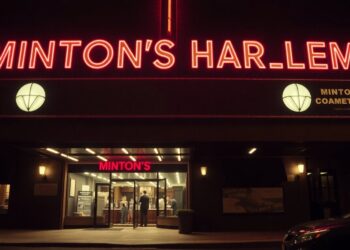
mintons harlem opened as a late-night venue and rehearsal spot. Musicians used the space to test new ideas and push jazz beyond dance music. The club hosted jam sessions that reshaped rhythm, harmony, and improvisation. Listeners and players found a place to take musical risks. This article explains how the club grew, who played there, and how its influence lives on.
Key Takeaways
- Minton’s Harlem was a pioneering late-night jazz venue that fostered musical experimentation and shaped the bebop movement.
- The club’s jam sessions encouraged innovative techniques in rhythm, harmony, and improvisation, pushing jazz beyond traditional dance music.
- Legendary musicians like Thelonious Monk, Charlie Parker, and Dizzy Gillespie regularly performed there, using the space to refine new ideas and solos.
- Signature musical techniques developed at Minton’s include fast phrasing, extended harmonies, syncopation, and sparse comping, which defined modern jazz improvisation.
- Minton’s Harlem’s legacy endures through preserved recordings, historical commemorations, and continued influence on jazz education and performance today.
The Early Years: From Rent Parties To A Jazz Hub (1938–1940s)
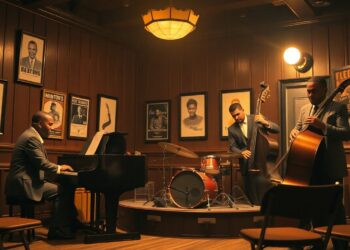
mintons harlem began in 1938 as a small after-hours spot in Harlem. The owner opened the room to pianists and singers after the main clubs closed. Musicians came from across New York to play for food money and tips. The club grew from informal rent parties to a steady late-night scene. Young players found steady work and older players found a testing ground. The club encouraged risk. Players stayed until dawn. The venue focused on music, not on formal bookings. That focus attracted creative players who wanted time to experiment. The atmosphere favored listening over dancing. Local writers and critics began to notice. The room’s reputation spread by word of mouth. By the early 1940s, the spot had a reputation as a place where new ideas could form.
How Minton’s Sparked Bebop: Musical Innovations And Jam Session Culture
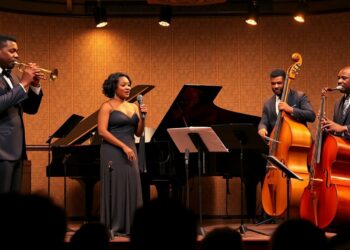
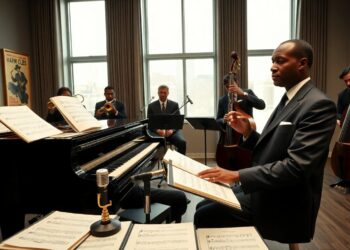
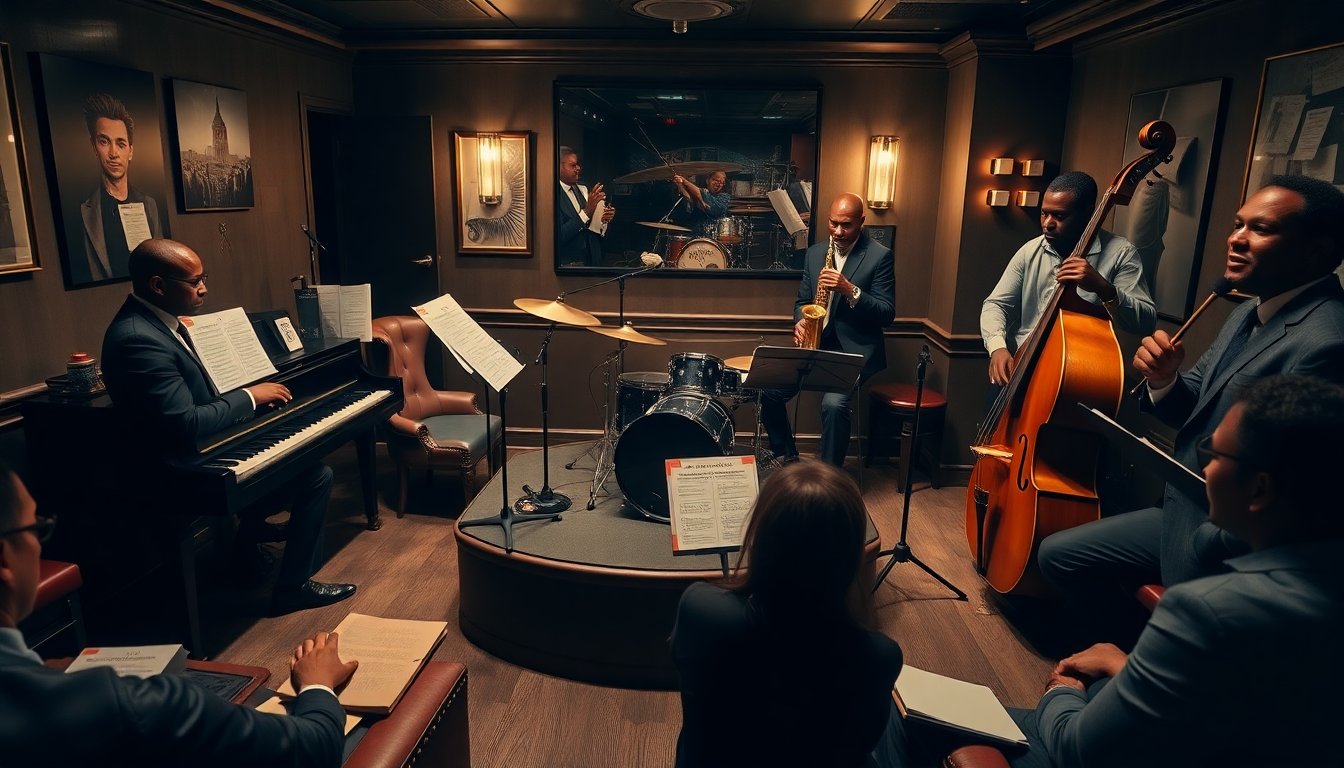
mintons harlem hosted jam sessions that encouraged faster tempos and denser harmonies. Players traded solos that emphasized angular lines and unexpected accents. The house rhythm sections worked to push soloists into fresh territory. Drummers used press rolls and split beats to change pulse. Pianists explored altered chords and extended voicings. Horn players experimented with chromatic runs and fragmented phrases. The jam structure let players test ideas and refine them. A practical feedback loop formed: one player tried an idea, others reacted, and the idea evolved. That loop produced the core elements of bebop. The club’s late hours let musicians play without commercial pressure. Compositions moved from simple song forms to complex heads that spotlighted improvisation. This shift changed how musicians composed and how audiences listened.
Key Figures And Legendary Nights
mintons harlem became a proving ground for many key figures. The club featured players who later defined modern jazz. Musicians such as Thelonious Monk and Charlie Parker played there frequently. Dizzy Gillespie brought new harmonic ideas to the sessions. Coleman Hawkins and Kenny Clarke shaped rhythmic approaches. These players tested solos and arrangements in public. Promoters and fellow players spread word of standout nights. Critics later cited specific sessions as turning points. One night featured blistering exchanges that influenced recordings months later. The club’s patrons included local musicians, traveling players, and curious listeners. Those patrons witnessed improvisation that often had no rehearsal. The sessions rewarded risk. Musicians left the club with new vocabulary and new confidence. That change spread through clubs and recording studios across the city.
Signature Musical Techniques And Game-Changing Performances
Players at mintons harlem used several signature techniques that shaped bebop. They used fast, asymmetric phrasing to break standard melodic shapes. They used extended harmonies to create tension over simple bass lines. Drummers used syncopation to shift accents inside a measure. Saxophonists used intervallic leaps and rhythmic displacement to surprise the ear. Pianists used sparse comping to leave space for solo statements. The combination of these techniques produced a new sound. Specific performances hammered those ideas into practice. One session produced a solo that later influenced studio recordings. Another night featured a new head that musicians later used as a standard. These performances became reference points for younger players. Teachers later cited the sessions at the club when explaining modern improvisation.
Legacy, Preservation, And Visiting Minton’s Today
mintons harlem left a clear legacy for jazz and for Harlem nightlife. Scholars cite the club as a starting point for bebop. Museums and writers preserve recordings and oral histories that reference the sessions. The original club closed and reopened in different forms over the decades. Today, visitors can find commemorations and occasional performances that honor the original spirit. The site keeps the memory of late-night experimentation alive. Guides point visitors to nearby landmarks connected to the players. Archives hold photographs, flyers, and interviews that document the nights. Musicians still study transcriptions from sessions at the club. Fans who visit learn how small rooms can shape big changes in music. The legacy shows how a focused community and time to play can change an art form.